

Haggis Scottii Dexterous
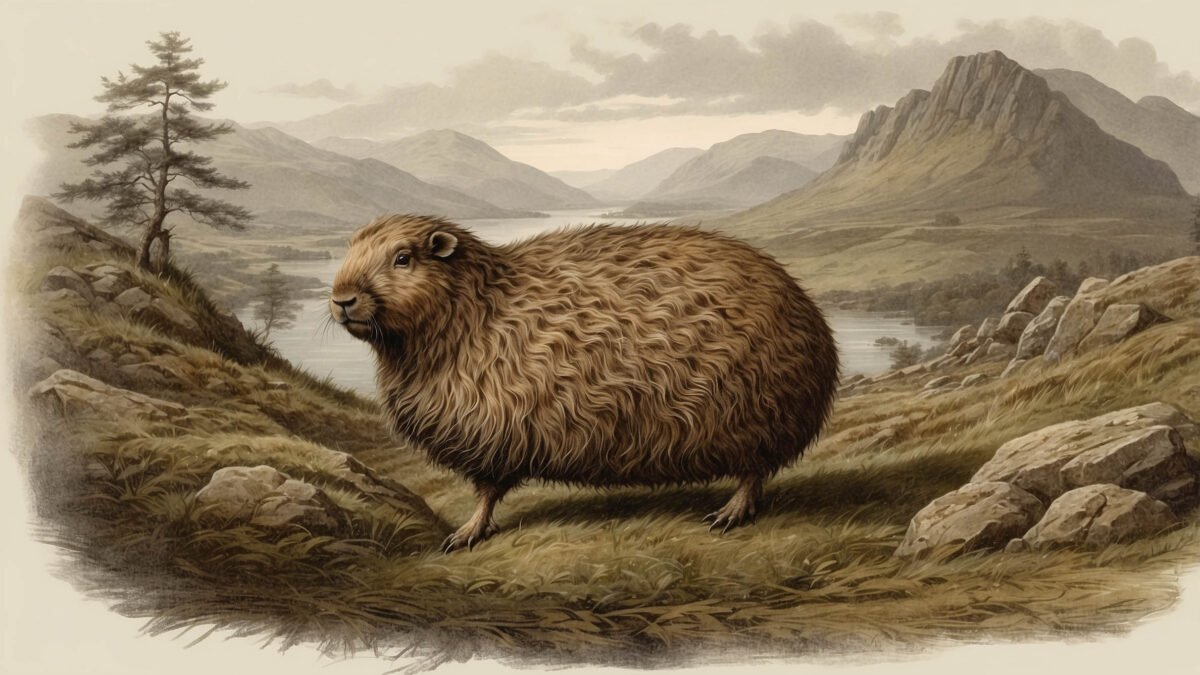
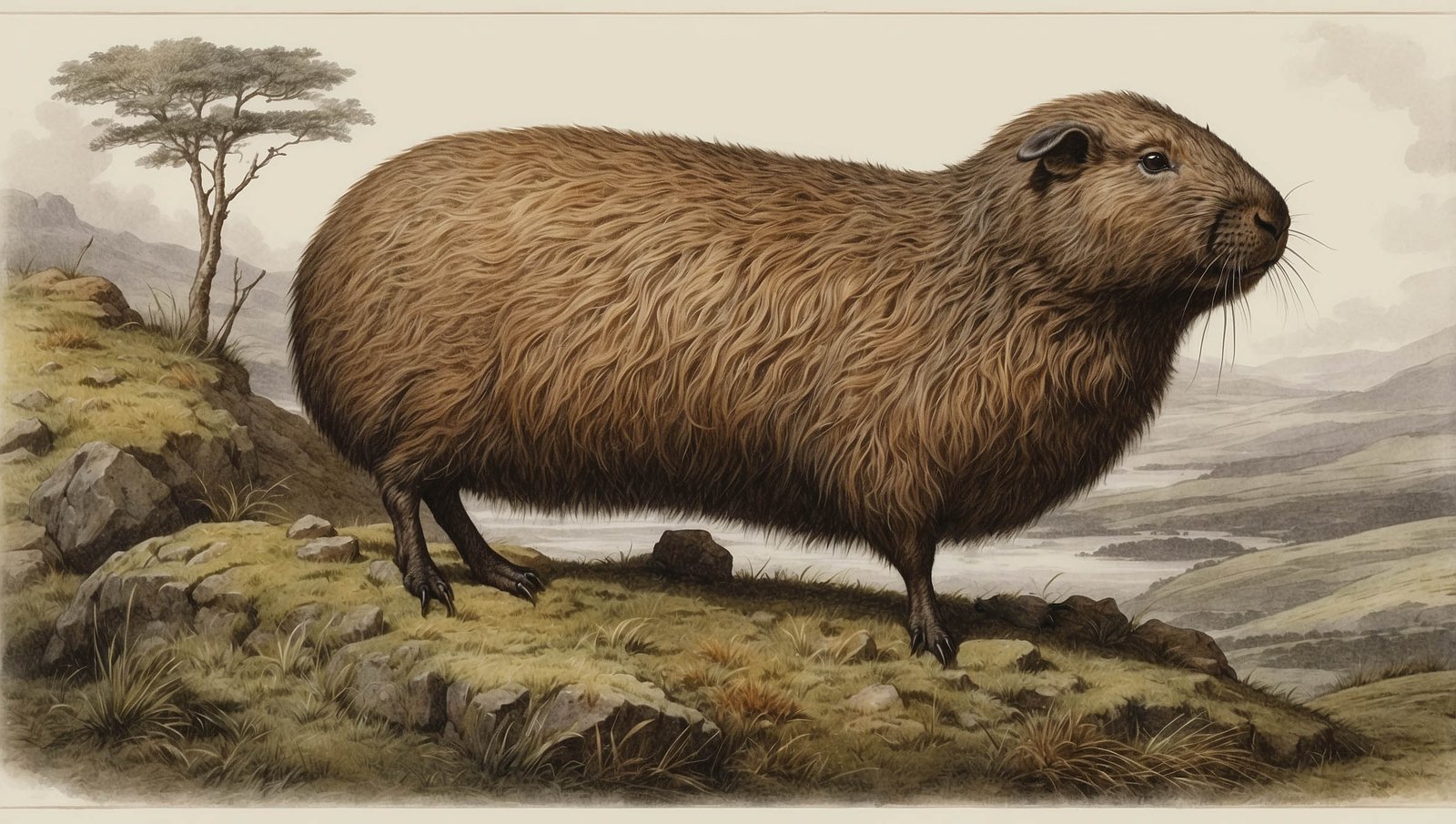
Haggis Scottii Dexterous: This species is characterized by its clockwise travel pattern, a trait facilitated by its shorter right legs.
This unusual adaptation allows the haggis to navigate the steep right-leaning slopes of the Scottish Highlands with remarkable agility and efficiency. The clockwise movement pattern of this breed ensures stability and balance as they graze on the sloping terrains, offering them a strategic advantage in evading predators.
Taxonomic Overview
Haggis scottii dexterous belongs to a speculative genus shaped by steep Highland terrain. It shows clear lateral asymmetry and a fixed clockwise movement pattern. These traits define the species and separate it from other imagined variants.
Morphology and Limb Structure
The animal carries shorter limbs on its right side. The left limbs extend longer and provide lift. This imbalance tilts the body toward the slope. Musculature on the right appears denser, which helps maintain grip. The body sits low, close to the ground, which improves balance.
Locomotion and Directional Bias
The haggis moves in a consistent clockwise path. It steps quickly and keeps contact with the ground on the downslope side. This method reduces slipping. The gait looks uneven at first glance, yet it works with surprising precision. The animal rarely changes direction unless disturbed.
Feeding Behaviour
The species feeds on coarse grasses, moss, and small shrubs. It grazes along contour lines rather than climbing directly uphill. This pattern conserves energy. The torso twists slightly during feeding, which helps maintain stability on uneven ground.
Predator Avoidance
Predators struggle to match its circular movement. The haggis uses tight, looping paths to confuse pursuit. Its low stance and steady grip give it an advantage. Many predators misjudge distance when chasing along slopes.
Ecological Role
The species acts as a primary consumer within its niche. Its repeated circular paths disturb the soil surface. This motion may aid aeration and seed spread. The population remains stable due to its specialised adaptation.
Speculative Reproduction
Mating behaviour remains uncertain. Some accounts suggest pairs must align direction before contact. A mismatch in rotation could disrupt balance. There are rumours of a counter-rotating type, though none have been confirmed.