

Observations on Wild Haggis Anatomy
July 13, 2026
White Tash Haggis Animal
August 17, 2026
Where to Find Wild Haggis in Scotland
Every year, the Haggis Wildlife Foundation receives the same question.
“Where is the best place to see a wild haggis?”
The short answer is simple.
Almost anywhere in Scotland.
The longer answer is rather more complicated.
Wild Haggis Live Throughout Scotland
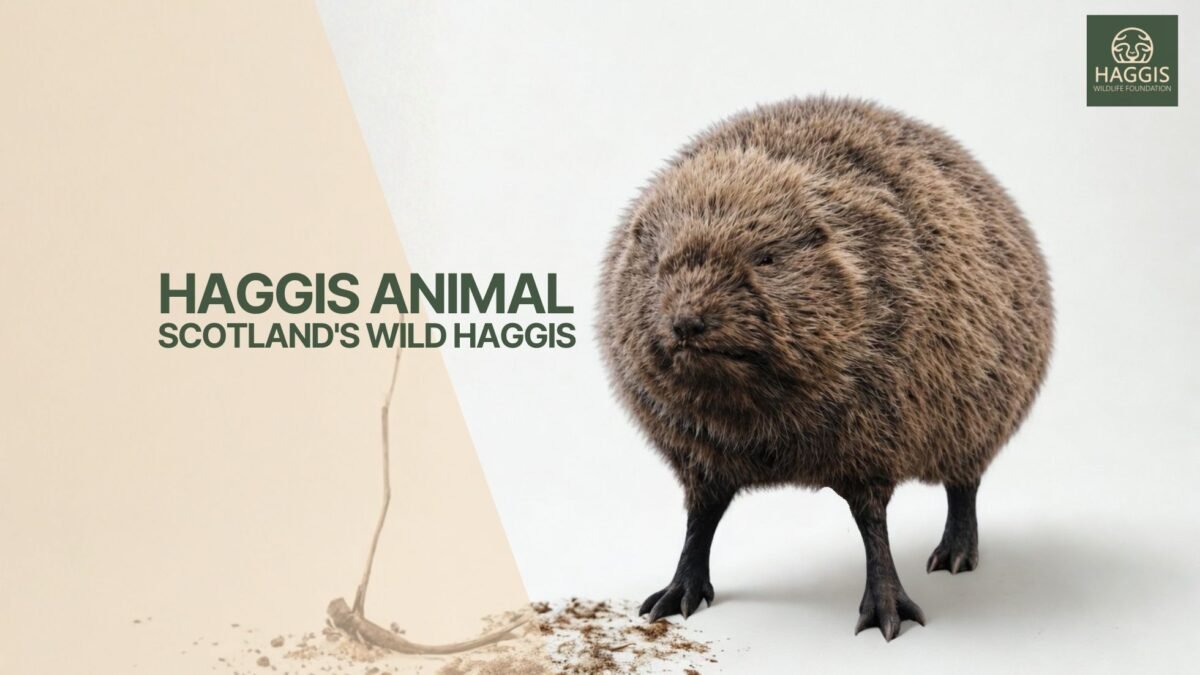
Contrary to popular belief, wild haggis are not confined to the Highlands. While the Highland haggis undoubtedly enjoys the dramatic scenery of Scotland’s mountains, its Lowland relatives occupy farmland, forests, glens, moorland and surprisingly ordinary stretches of countryside.
The Grand Survey has recorded credible sightings from every region of mainland Scotland, as well as several islands where suitable habitat exists.
In other words, if you are travelling through Scotland, there is every chance that wild haggis are somewhere nearby.
Whether you notice them is another matter entirely.
Why Most People Never See One
The greatest obstacle to spotting a wild haggis is not rarity.
It is expectation.
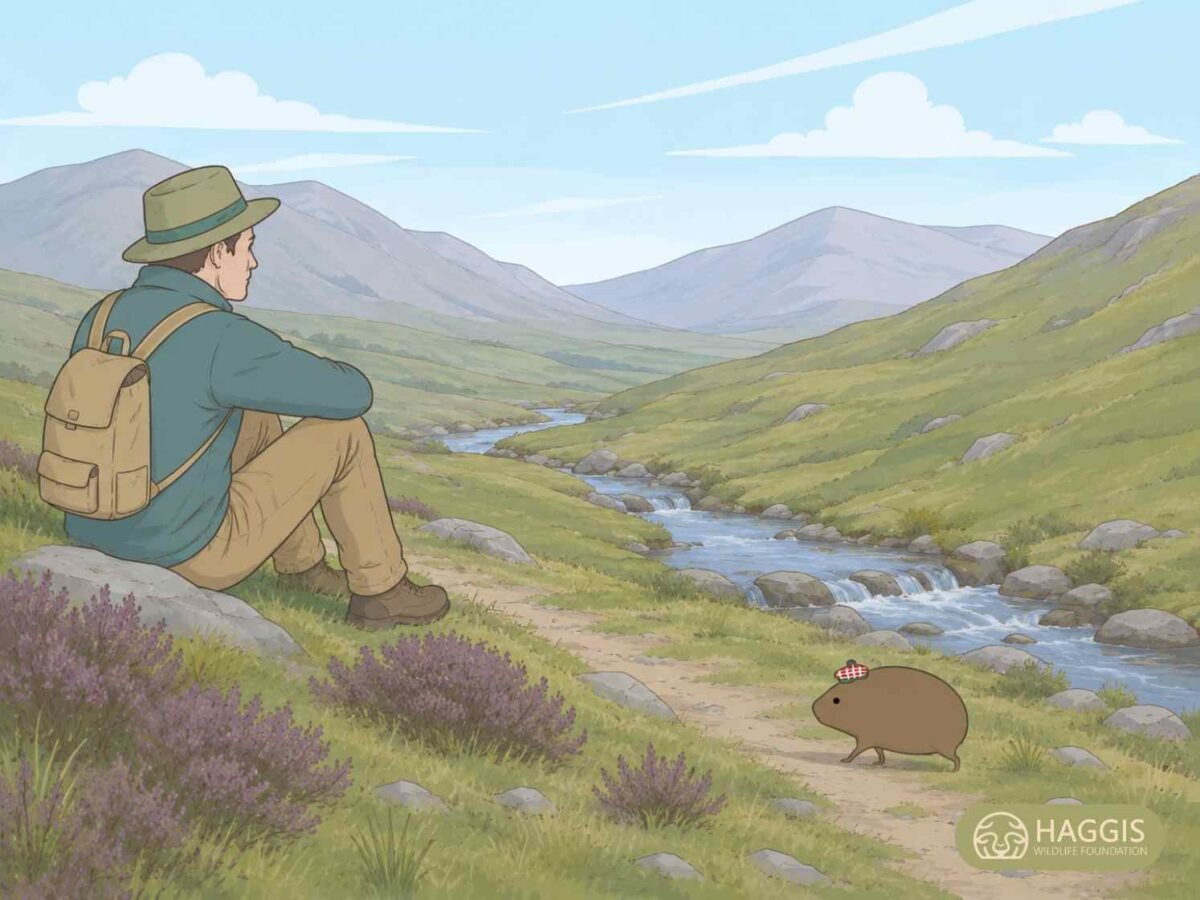
Visitors often arrive convinced they know exactly what a wild haggis should look like. They scan every hillside for a three-legged creature with uneven forelegs, only to overlook the four-legged Lowland haggis quietly grazing a nearby meadow.
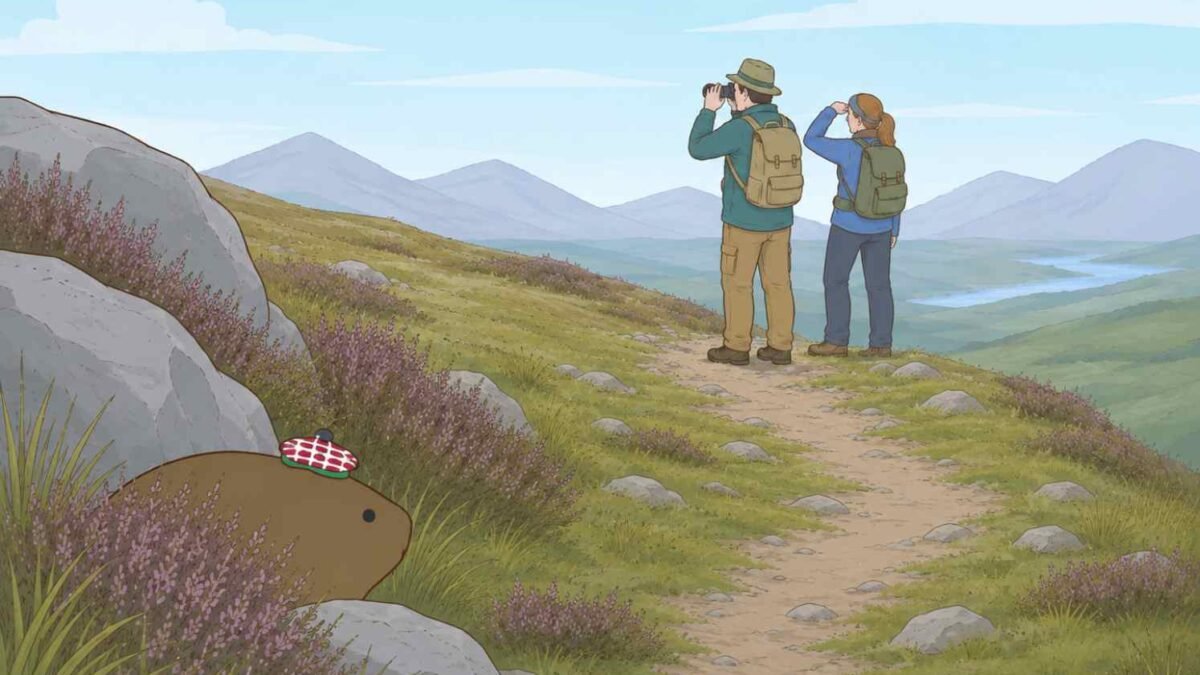
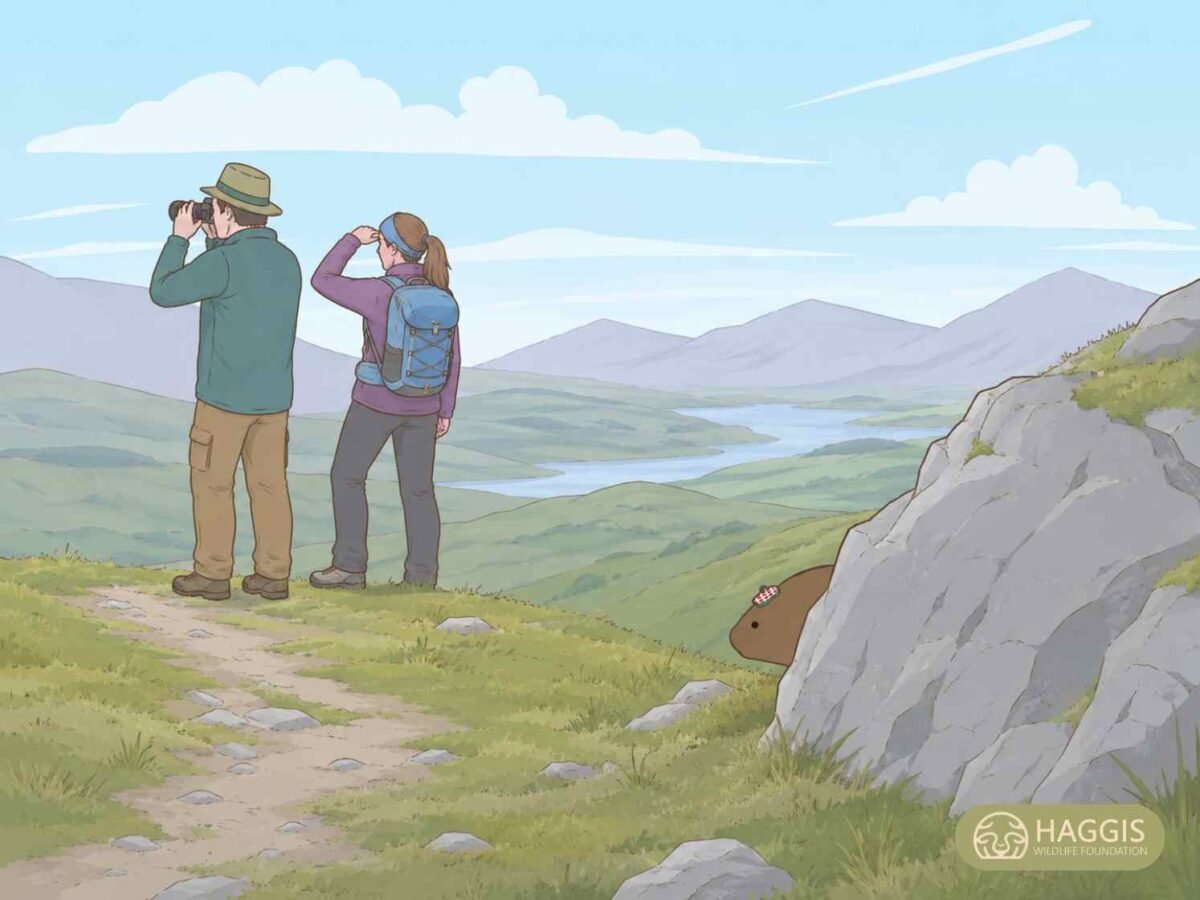
Others search patiently across open hillsides while the local haggis observes them from behind a perfectly ordinary-looking boulder.
Some spend hours looking through binoculars.
The haggis generally spends those same hours looking back.
The Haggis Usually Sees You First
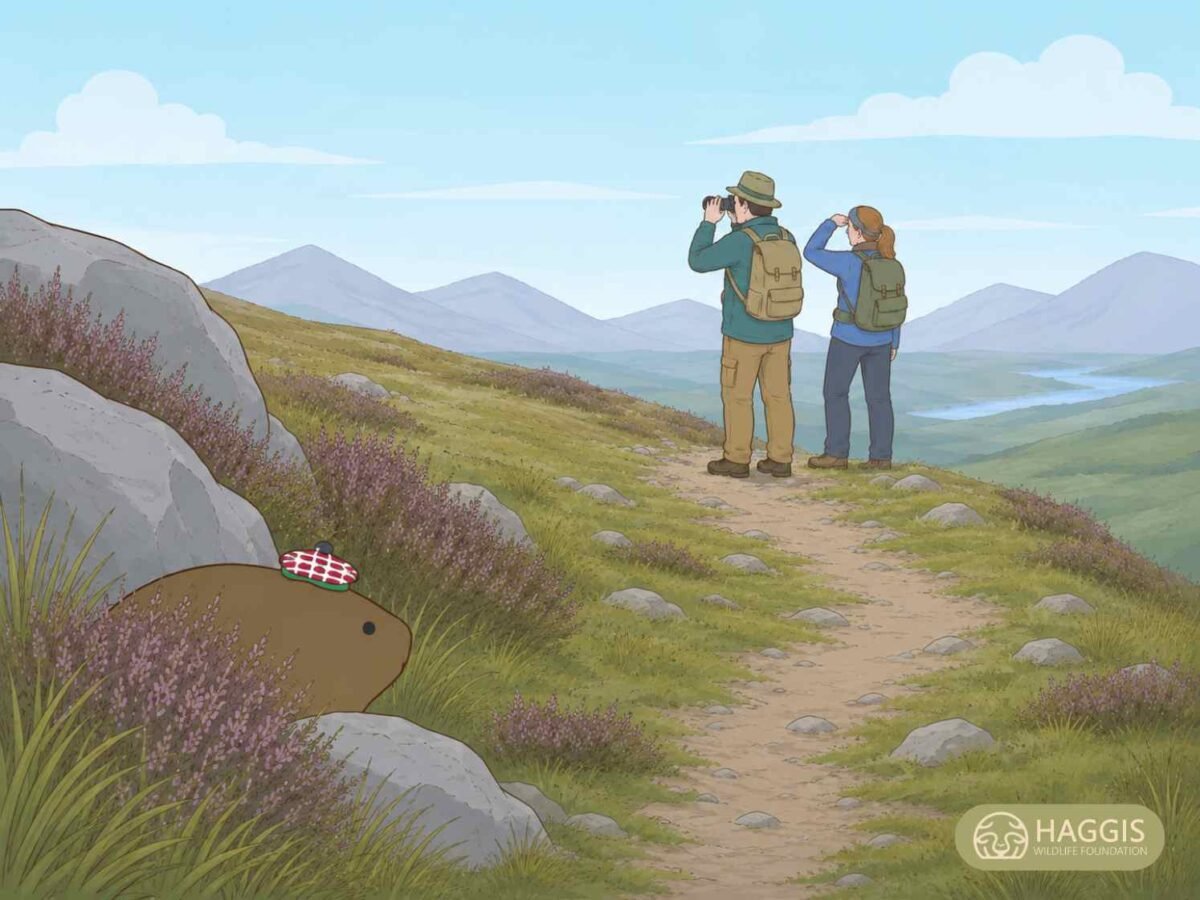
Field researchers have long suspected that wild haggis possess exceptional awareness of human activity.
By the time most observers think they have begun searching, the haggis has already assessed the situation and decided whether it wishes to participate.
Usually, it does not.
This explains why experienced walkers often report the peculiar feeling that something has just disappeared over the next rise, or why photographs occasionally contain an unexplained blur near the edge of the frame.
The Foundation regards such reports with cautious interest.
Choosing the Right Habitat
Although wild haggis occur across Scotland, different forms favour different surroundings.
Highland haggis prefer steep hillsides where their distinctive anatomy allows them to travel comfortably around the contours of the landscape. If you spend enough time in the mountains, particularly during quieter hours, you may catch a glimpse of one moving steadily around a distant slope.
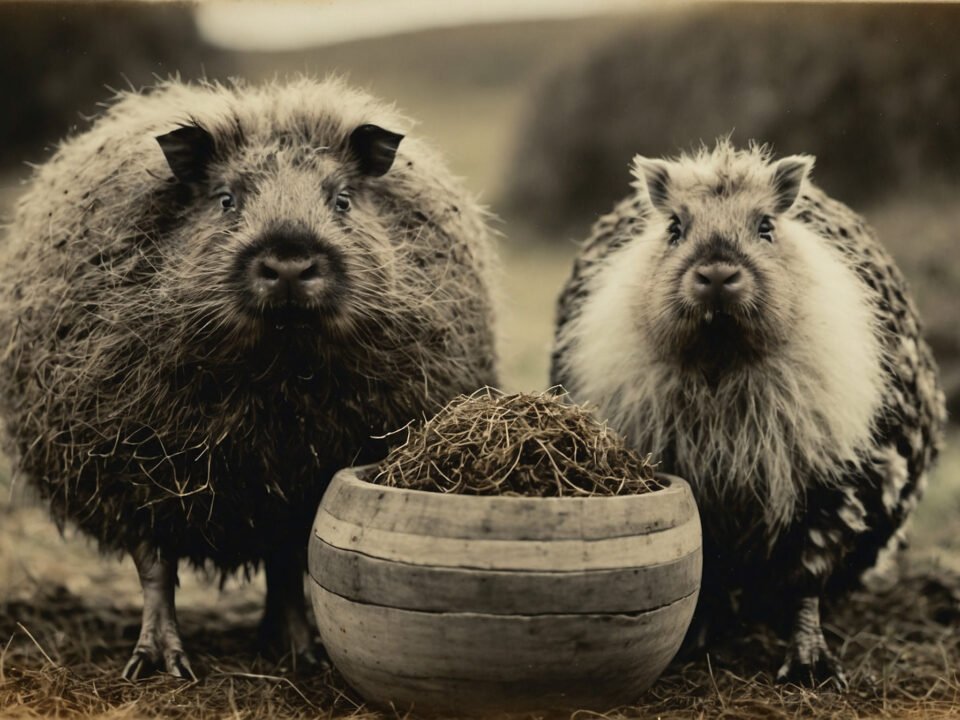
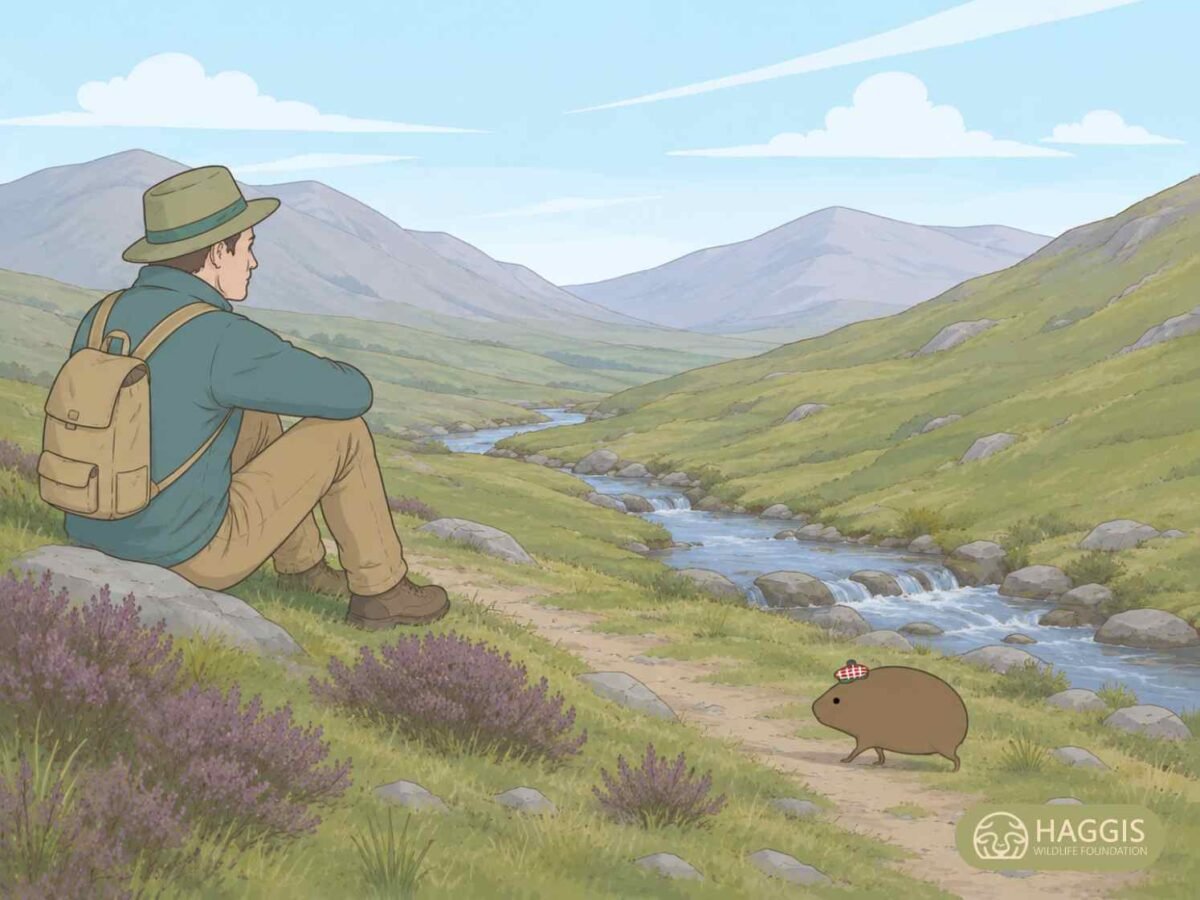
Lowland haggis, meanwhile, favour gentler country. They appear along woodland edges, in rough pasture, beside quiet burns and occasionally near old dry-stone walls where they can remain almost entirely unnoticed.
The important point is that neither species lives only in one famous location.
They are simply better at remaining unseen than most people expect.
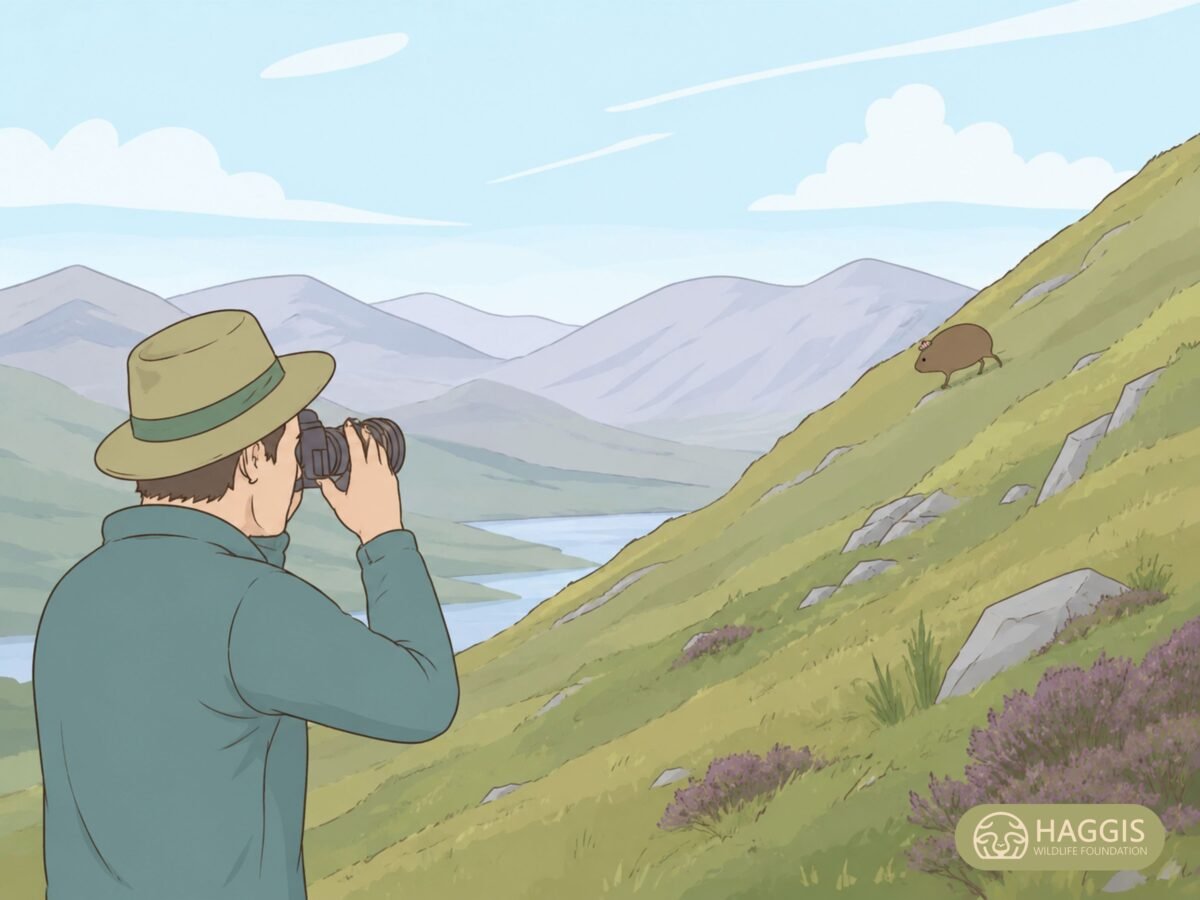
Why Everyone Describes Them Differently
One of the most remarkable findings of the Grand Survey concerns not where haggis live, but how they are observed.
Wild haggis have an unusual tendency to present themselves differently to different people. Two honest observers may leave the same hillside with entirely different descriptions, each convinced they have seen the animal clearly.
The Foundation no longer treats this as a contradiction.
Instead, we regard it as one of the defining characteristics of the species.
It also explains why so many lively discussions begin with the words, “I could have sworn…”
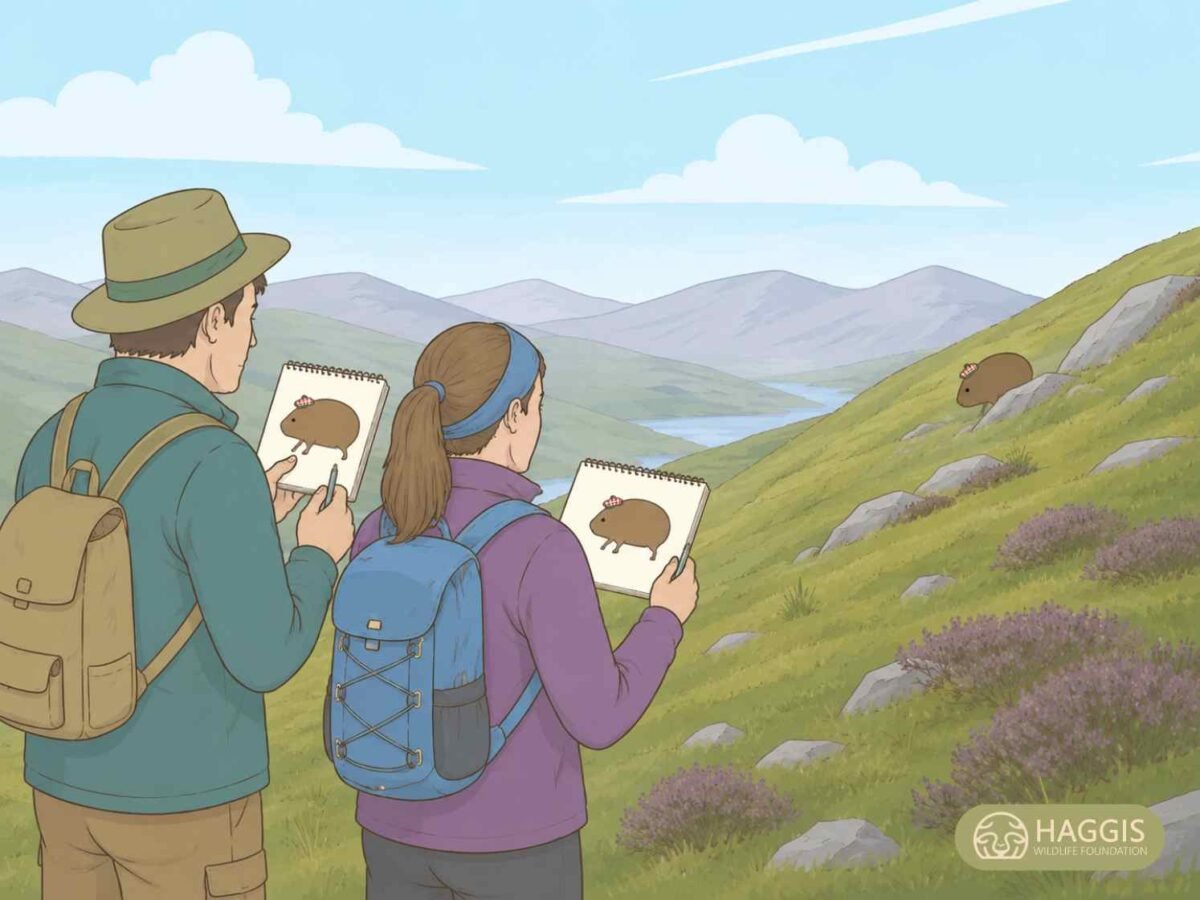
Improving Your Chances
There is no guaranteed method for finding a wild haggis.
However, years of fieldwork suggest a few simple principles.
Walk quietly.
Stay curious.
Resist the temptation to decide in advance what you expect to find.
Most importantly, avoid searching too hard.
The Foundation has noticed that many memorable sightings occur just after an observer gives up looking altogether.
Whether this reflects haggis behaviour or simple coincidence remains the subject of ongoing study.
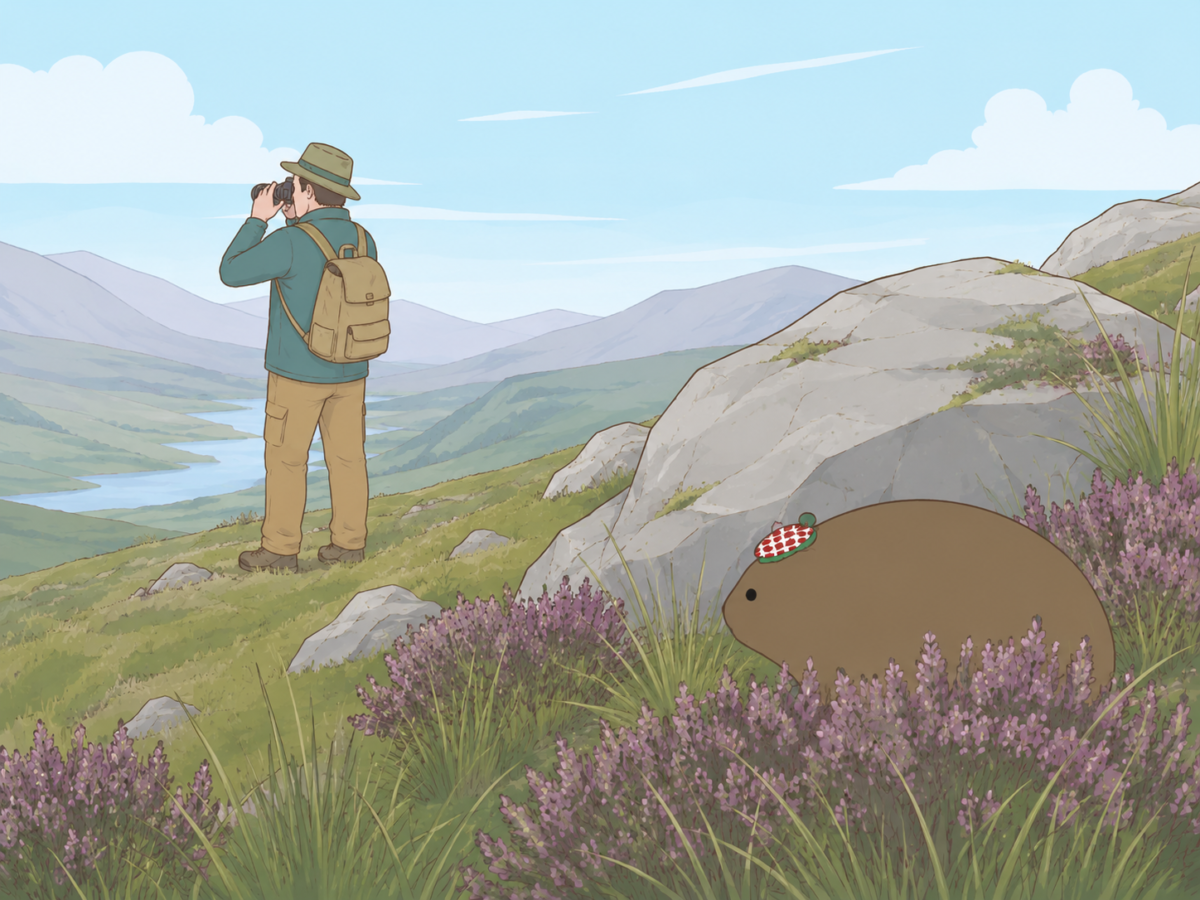
Final Observations
If you ask where to find wild haggis in Scotland, the most honest answer is everywhere.
They inhabit mountains and valleys, forests and farmland, remote glens and familiar footpaths. They have shared Scotland’s landscape for centuries.
The challenge has never been finding Scotland.
The challenge has always been finding the haggis.
Or perhaps, more accurately, allowing the haggis to find you.
The Grand Survey remains open, and the Haggis Wildlife Foundation welcomes sightings from every corner of Scotland. If you believe you have encountered a wild haggis, regardless of how many legs it appeared to possess, we encourage you to submit your observations.
After all, the Foundation has learned that certainty is useful.
Observation is invaluable.