
The Wild Haggis Story
March 8, 2026
Wild Forest Haggis
March 24, 2026
Scottish Wild Haggis Animals & The Haggis Wildlife Foundation.
A journey into Scotland's most beloved mythical creature and the foundation dedicated to keeping its legend alive.
The Legend of the Wild Haggis: Scotland's Mythical Creature

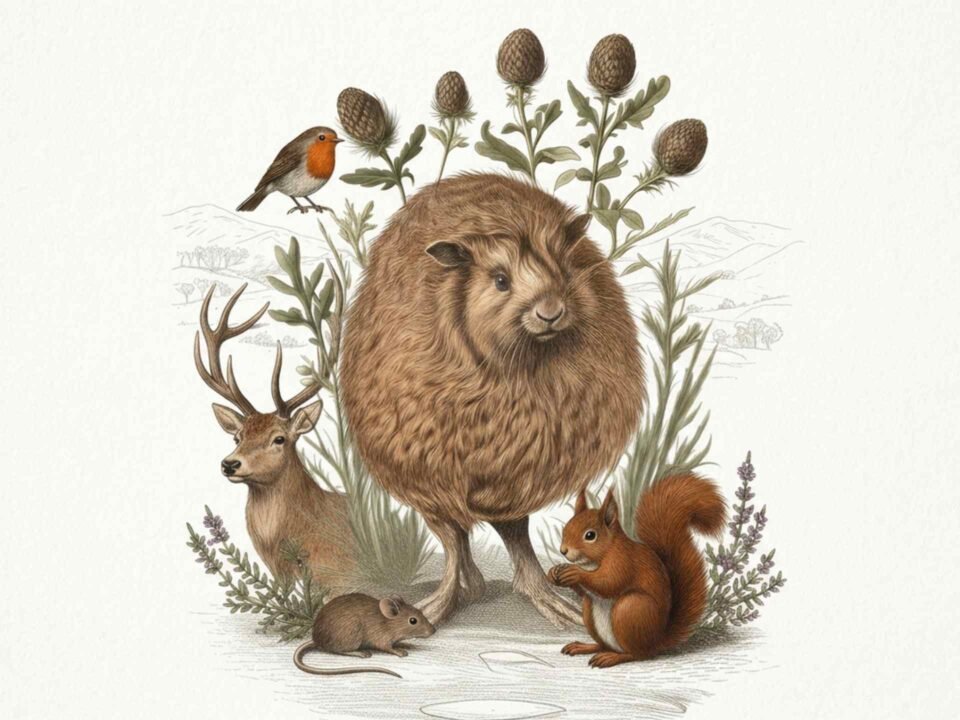
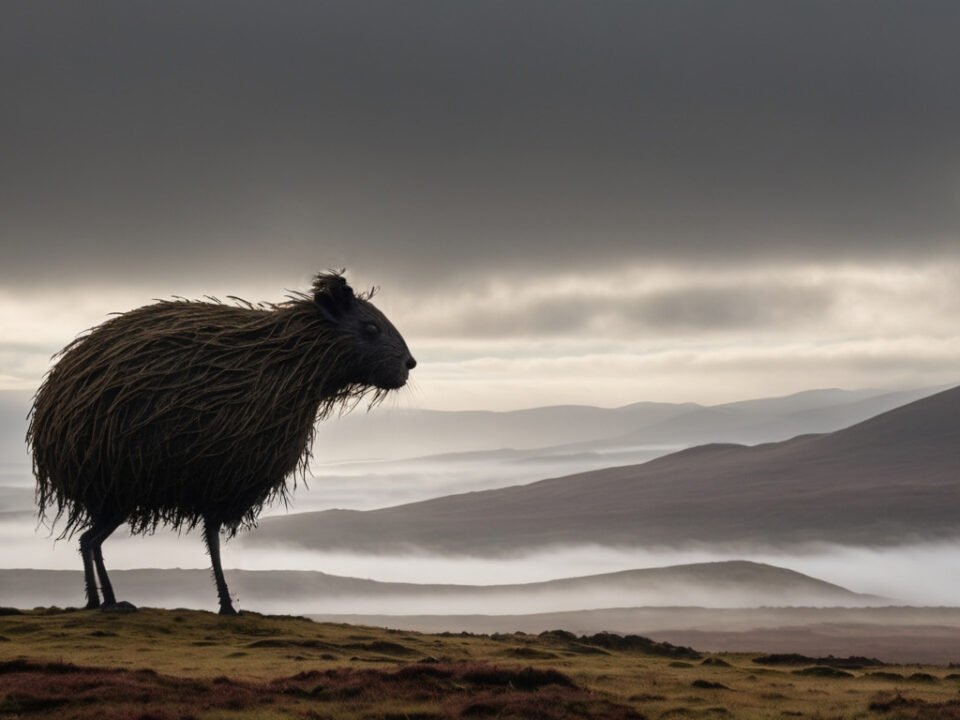
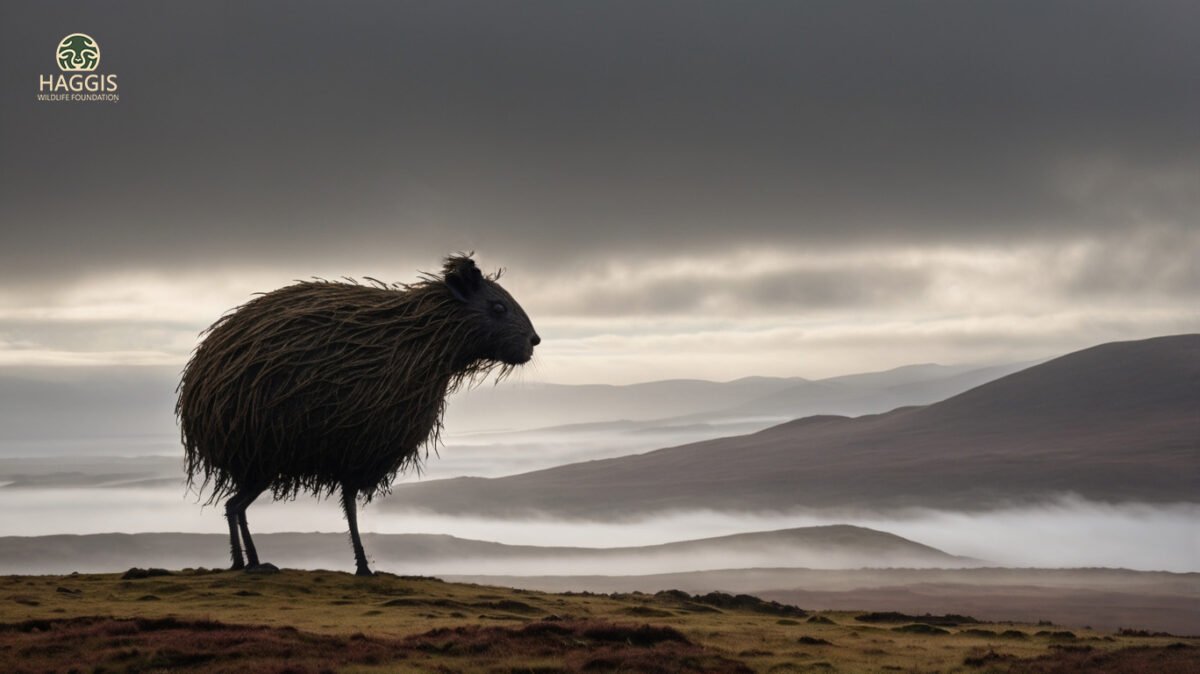
Wild haggis, a much loved beast of Scottish folklore, appears in the oldest tales roaming the Highlands on three legs, two of them different lengths. The uneven pair lets it sprint round steep slopes without tipping.
More than a myth, the wild haggis symbolizes Scotland's rugged spirit and its people's deep, irreverent connection to nature. Locals have shared tales of hunting the elusive creature for hundreds even thousands of years, blending dry humor with fierce cultural pride.
The Haggis Wildlife Foundation
- Founded by Scottish folklorists and graduates to create and celebrate haggis lore, story telling and having fun.
Protect Scotland's mythical heritage while championing the wild haggis as a cultural icon.
“Wild Haggis Species: Diversity Across Scotland”
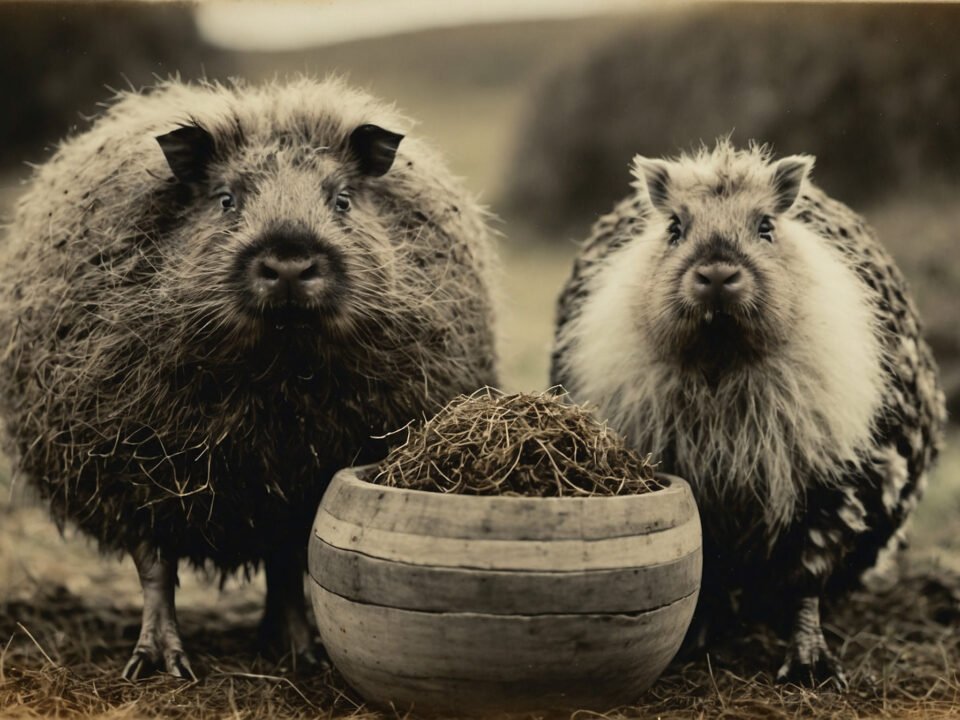
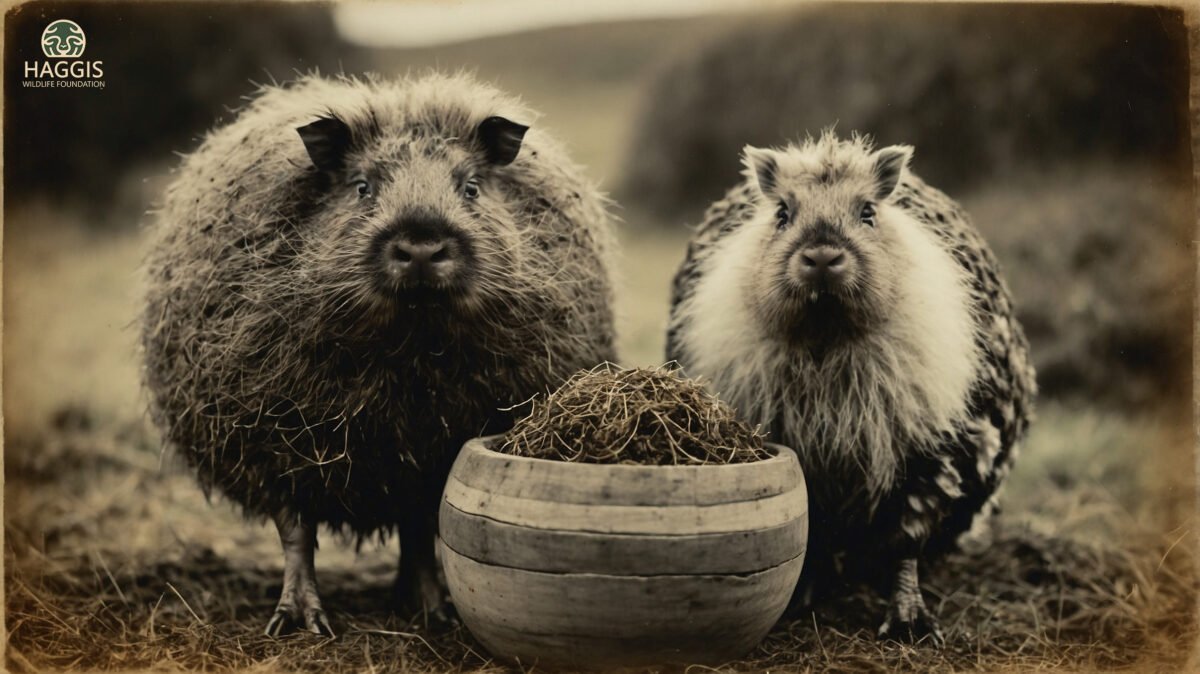
Two ancestral species define the haggis family: Lefty ( Haggis Scottii Sinistrous ) and Righty ( Haggis Scottii Dexterous ), each adapted to run in opposite directions around steep terrain. Throughout Scotland, however, many kinds are said to be found, shaped by the region they come from. Even so, they all trace back to those two ancestral types.
Highlands

Lowlands

Central Belt

Islands
Adaptations of The Wild Haggis Story
Across Scotland, stories of the wild haggis often shift depending on the region in which they are told. In some places the animal is described as small and quick, adapted to the steep slopes of the Highlands, its legs uneven so it can circle the hills with ease.
In other areas people speak of slightly different varieties, shaped by the landscape around them.
Coastal regions sometimes imagine a hardier creature used to rough winds, while stories from gentler glens describe a calmer, slower haggis that blends quietly into the heather.
None of these versions are exactly the same, and that difference is part of the tradition.
These regional variations give each community a small sense of ownership over the legend. A village might insist their local haggis looks or behaves a certain way, while another place offers a completely different description.
Over time these local ideas become part of the storytelling itself, reflecting the character of the landscapes and the people who share the tales.
For newcomers exploring Scottish folklore, this patchwork of interpretations shows how myths grow naturally from place and memory.
“Exploring how myth, community fun, and landscape shape Scotland’s wild haggis tradition.”
The Haggis Way: A Philosophy of Connection
The wild haggis represents the intertwined relationship between people, culture, and wonder, a living symbol of Scottish identity.
The haggis evolves through stories, personal meaning, and shared tradition across generations. It does not stay fixed as a single idea. Each telling presses a small change into it, almost unnoticed at first. A line added, a detail recalled differently, a memory folded in from another time. Over years those fragments gather. The haggis becomes a carrier of memory as much as a cultural symbol.
People encounter it through family, through community chats, through quiet explanations passed across a table or during a winter gathering. Someone describes what it meant to them when they were young. Another person attaches a different memory, perhaps tied to place, or to language, or to a moment when the ritual felt newly important. None of these meanings cancel the others. They accumulate, layer by layer.
In this way the haggis shifts slowly with each generation. Not by sudden change, but by repetition shaped by lived experience. The words surrounding it settle into habit, then loosen again when a new voice enters. A child listening today may later retell the same idea in altered form, guided by what they remember and what now matters to them. Meaning moves forward through these small transfers.
What endures is the shared act of remembering and repeating. Through stories, through personal associations, through collective practice, the wild haggis continues to take on new shades of meaning while still carrying the traces of those who spoke about it before. It remains familiar, yet never entirely the same.
The Haggis Wildlife Foundation
In an online world where social media can often feel heavy, fast, and filled with difficult news, the work of the Haggis Wildlife Foundation offers something quietly different.
Through short documentaries and storytelling about the wild haggis, the foundation creates a space where folklore, landscape, and imagination can take center stage.
These films are not only about a mythical creature said to roam the hills of Scotland. They are also about the simple pleasure of storytelling and the enduring role of humour and curiosity within Scottish culture.
For many viewers, watching these documentaries becomes a small moment of escape.
The tone is gentle, curious, and often playful, inviting audiences to step away from the constant noise of online life and instead enter a world shaped by tartan mushrooms, regional legends, and shared folklore. In that sense, the films serve a wider cultural purpose. They remind us that storytelling has always offered people a way to pause, reflect, and reconnect with imagination.
By presenting the legend of the wild haggis in this documentary form, the foundation helps keep Scottish folklore active and accessible, particularly for younger audiences encountering these stories through digital media for the first time.
What might begin as light-hearted curiosity can become something more meaningful: an introduction to Scotland’s tradition of myth, regional storytelling, and cultural creativity.
At a time when online spaces can often feel dark or overwhelming, these small documentary windows into folklore provide a welcome balance.
They show how a bit of fun, a well-told story, and a shared cultural myth can still bring people together, offering audiences around the world a moment of warmth, humor, and imaginative escape.
Conclusion
The wild haggis enriches Scottish culture, storytelling, and national identity on a global stage. What begins as a curious idea soon grows into something larger, drawing visitors toward the landscapes, humour, and traditions that shape Scotland’s cultural voice.
People arrive intrigued by the legend, yet they often leave with a deeper appreciation for the stories carried in everyday places, in hillsides, village gatherings, and quiet conversations where folklore still moves from one person to another.
Through this shared curiosity, the wild haggis becomes a doorway into Scottish imagination. It invites people to explore not only the myth itself but the wider tradition of storytelling that surrounds it.
Locals may recount the tale with a familiar warmth, shaped by memory and regional pride. Newcomers encounter the legend for the first time and add their own sense of wonder. Slowly the story widens, carrying both heritage and discovery together.
The Haggis Wildlife Foundation stands within that living tradition. Its work preserves the playful lore that has long coloured Scottish folklore while also encouraging younger generations and curious travellers to take part in the storytelling themselves.
By protecting the spirit of the myth rather than freezing it in place, the foundation helps the wild haggis remain something active and shared rather than simply remembered.
In this way the wild haggis continues to evolve through stories, personal meaning, and shared tradition across generations.
A blend of whimsy, curiosity, and light-hearted joy carries the legend forward, reminding people that folklore thrives when it is told, retold, and enjoyed together.
What might appear at first as a simple tale becomes something broader, a celebration of Scotland’s creativity and character that resonates far beyond its hills, inviting audiences around the world to take part in the story.