

The Winter Wonderland of Wild Scottish Haggis Animals
December 2, 2025
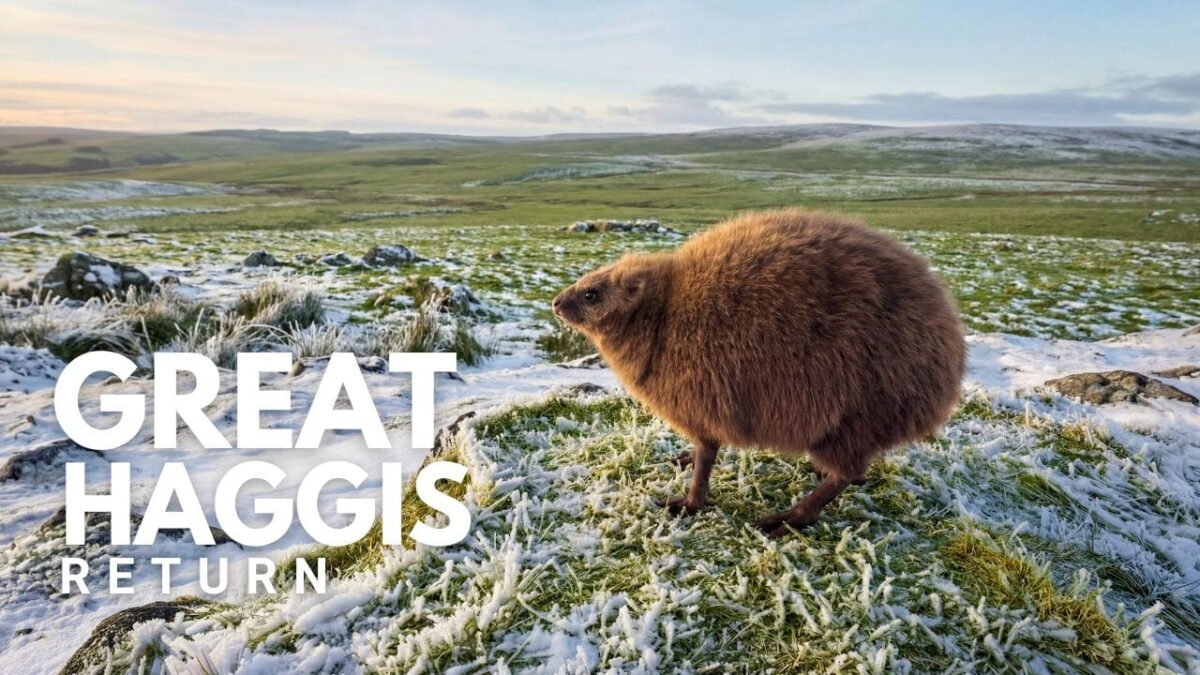
The Great Return: Scotland’s Wild Haggis Awaken
January 27, 2026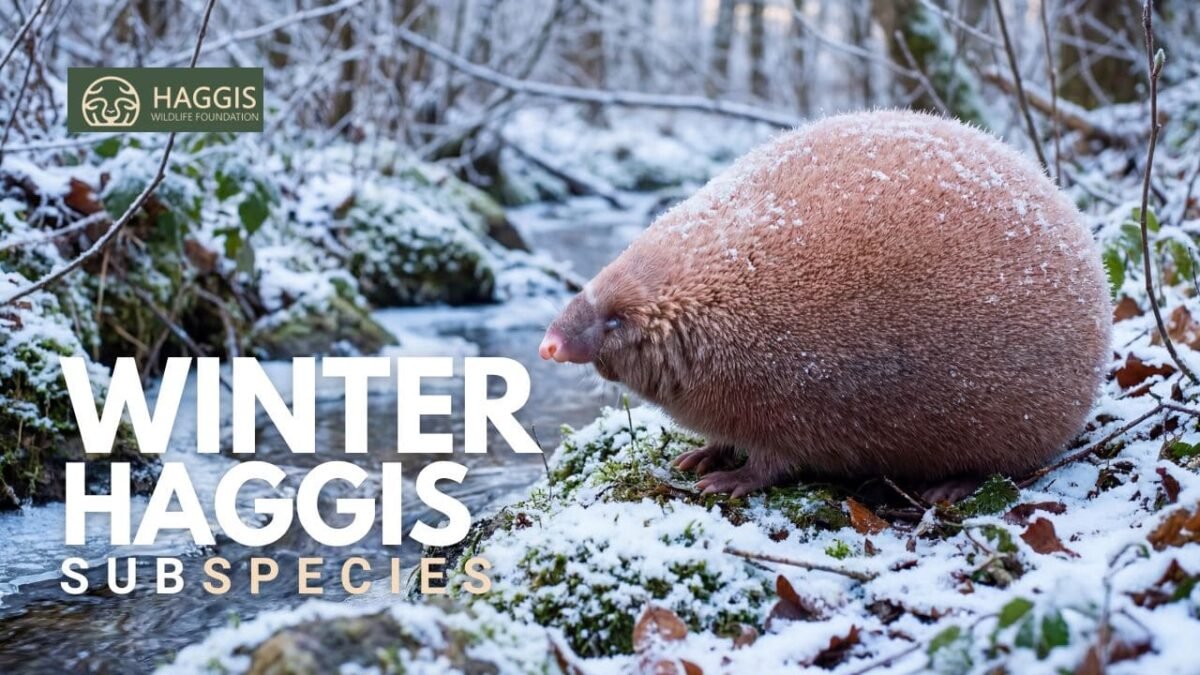
Introduction To Scottish Winter Subspecies of Wild Haggis Animals
The wild haggis is more than just a creature. To many, it represents the Haggis Way and the very essence of Scotland itself. While skeptics call the Haggis a myth, those who understand its cultural significance feel its presence most strongly in winter.
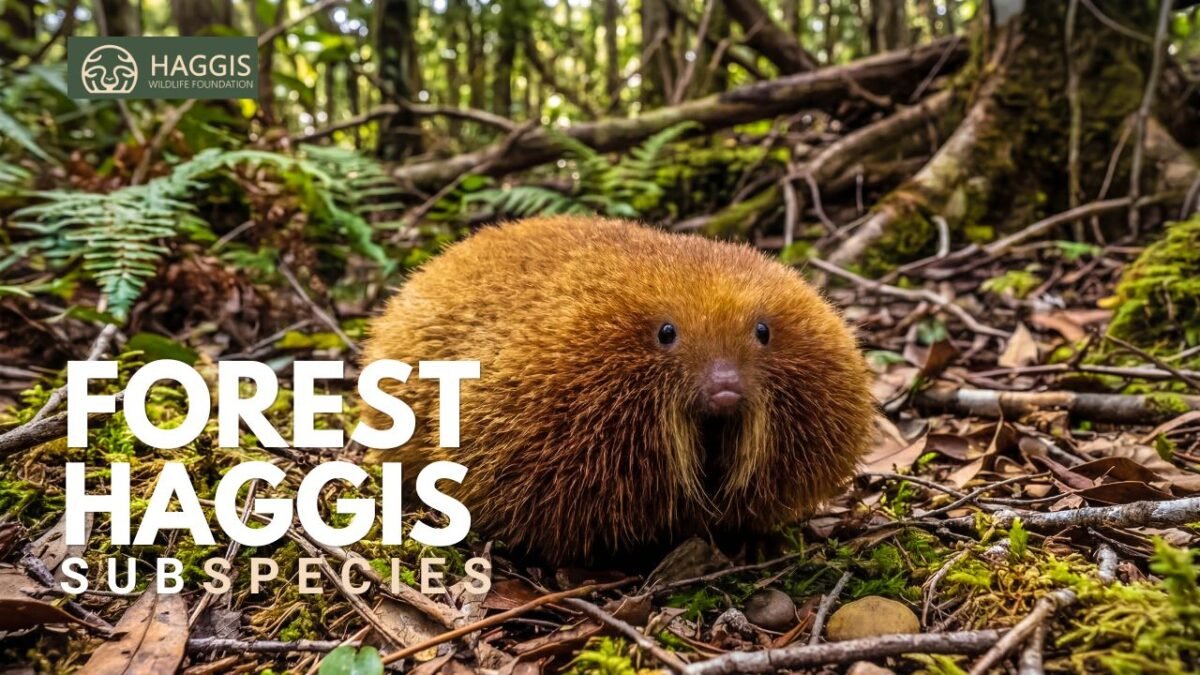
In this post, we explore rare subspecies recently captured by the Haggis Wildlife Foundation. Specifically, we look at the hardy Highland Mohawk and the adventurous Stirling White Tash.
The Highland Mohawk: Awakening in the Cairngorms
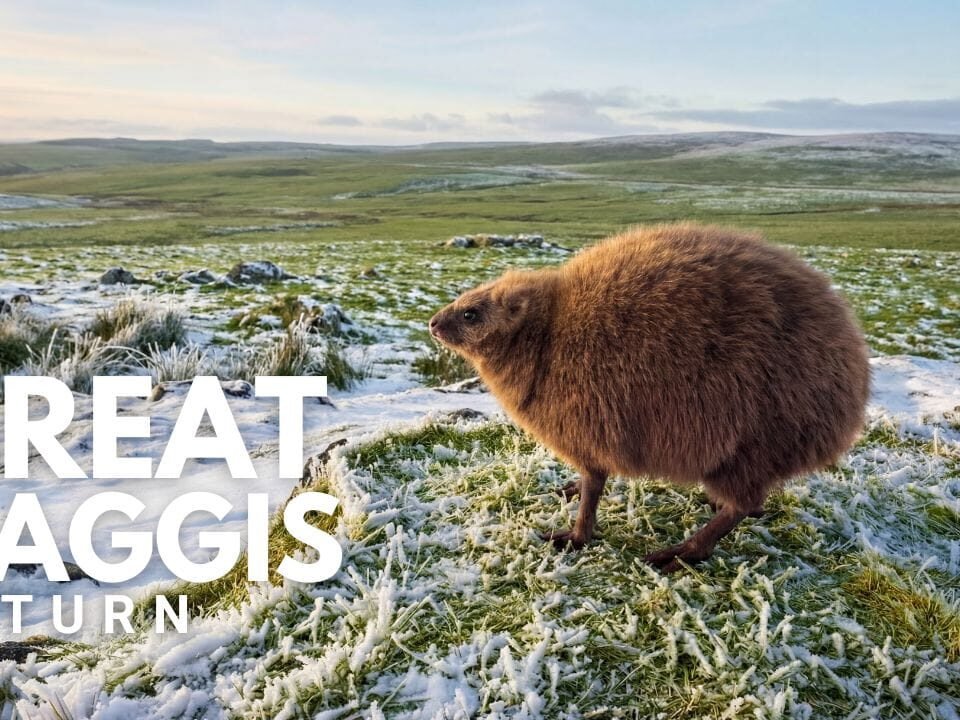
A young Highland Mohawk recently emerged from its tartan nest at the northern tip of the Cairngorms. This subspecies thrives in the snow. Furthermore, it often appears late in the season with hints of autumn tartan still visible on its coat.
- A Targeted Diet: Its awakening depends on the availability of Wild Tartan Stovies. Additionally, the creature seeks out the nutrient-rich roots of the hardy Scottish Bell End.
- Rising Numbers: Mohawk sightings in the Highlands are increasing. Consequently, followers of the Haggis Way view this as a promising sign for the local ecosystem.
The Stirling White Tash: An Urban Legend Goes North
One startling video segment features the Stirling White Tash. Normally, this creature stays near the roundabouts of the Central Belt. However, this individual recently trekked to the treacherous slopes of the Highlands.
- The Pull of the Plaid: A “textile bumper crop” drove this rare migration. The White Tash ignores common tweeds. Instead, it hunts for the complex threads of the Royal Stewart variety.
- Social Hierarchy: Grooming remains a top priority for this subspecies. In fact, a White Tash fears a wind-disarranged mustache more than it fears a predator.
The Christmas Haggis (The Perth Baldy)
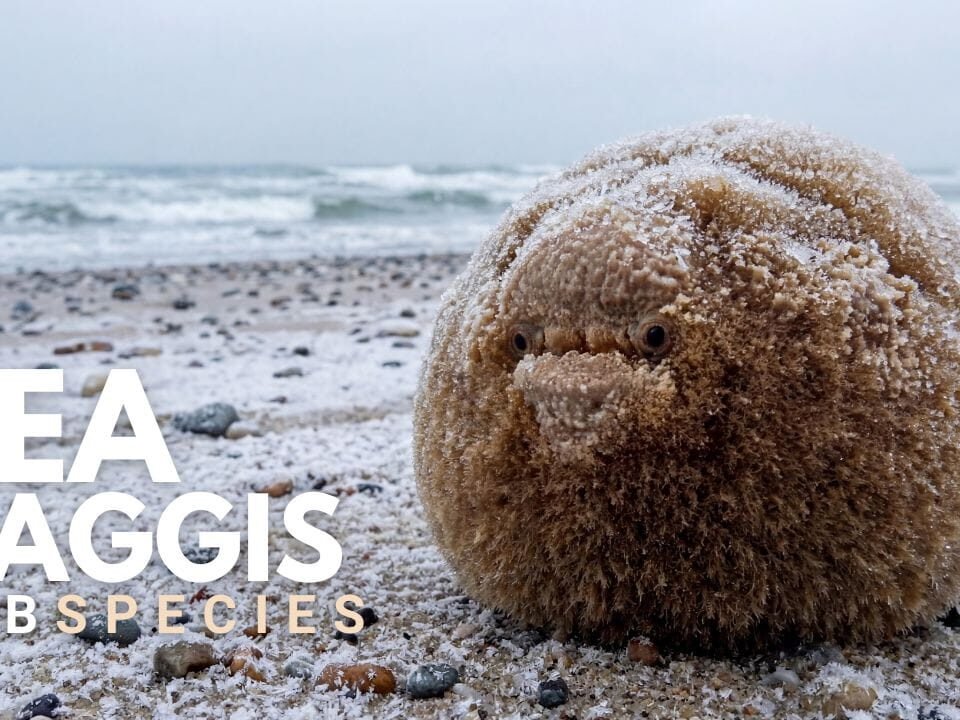
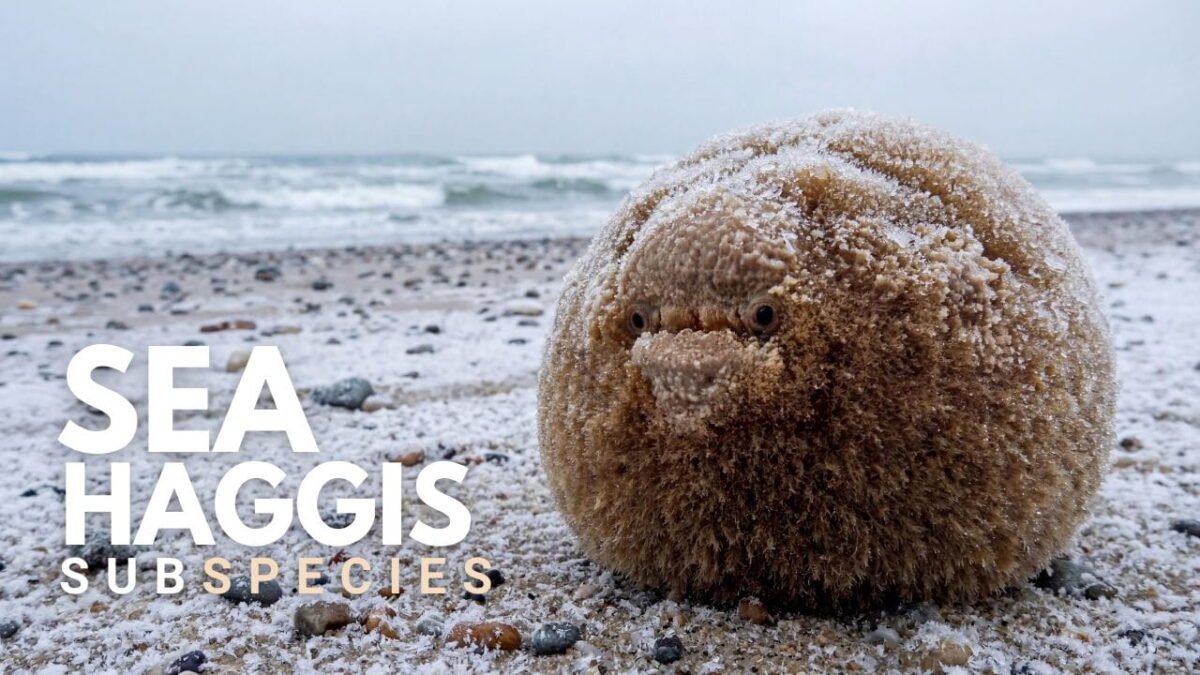
The arrival of the Perth Baldy signals the true start of the festive season. People often call this spherical creature the “Christmas Haggis.”
- Distinctive Features: You can easily identify it by its round silhouette and its bald coat.
- The Road to Burns Night: The Perth Baldy focuses all its energy on surviving until Burns Night. After the celebration ends, the creature retreats into a quiet state to await the summer sun.
Frequently Asked Questions (Haggis SEO FAQ)
What is the “Haggis Way”? It is a concept rooted in cultural meaning. It represents the complex relationship between humans and the Scottish natural world.
Where can you see a Wild Haggis? Look for them in the Cairngorms. They usually stay near patches of wild tartan vegetation during the colder months.
What do they eat? Their diet includes Wild Tartan Stovies and the Royal Stewart variety of plaid.
Conclusion: Embracing the Essence of Scotland
The Haggis is a dynamic concept. It evolves through our shared stories and interpretations. Whether you track a Mohawk or admire a “wee baldy,” you are connecting to a heritage that defines the Scottish spirit.
What does the Haggis Way mean to you? Have you ever spotted a Stirling White Tash? Share your stories below!