

Subspecies Of Wild Scottish Sea Haggis
January 27, 2026
Scottish Wild Haggis
March 9, 2026
Top Questions
Introduction
The Wild Haggis captures the spirit of Scotland like nothing else. Far from being just a creature of legend, it stands as a symbol of Scotland, a playful embodiment of tradition, myth, and shared storytelling. Where nature blends with imagination, the Wild Haggis reminds us that the heart of a place often lives in the stories we tell and believe together.
The wild haggis story has endured for so long because it meets profound psychological and cultural needs, providing laughter, connection, and a fun forum of escape in a complex world.
Whether you have encountered wild haggis tales in a cozy Highland pub, in the pages of a local mystery novel, or simply as a traveller eager to understand Scotland's quirkiest legends, this guide will lead you deep into the heart of one of the nation's most beloved myths. Let us embark on a journey through heather-clad hills and misty glens, where fact and fable entwine in the enduring story of the wild haggis.
The Roots of the Wild Haggis Legend
To truly appreciate the significance of the wild haggis story, one must first understand its place in Scotland's rich tradition of storytelling and folklore. From ancient times, Scots have cherished tales that blend reality with a dash of the fantastic, using humor and exaggeration to convey lessons, foster community, and entertain.
The Mythical Creature: Origins and Key Features
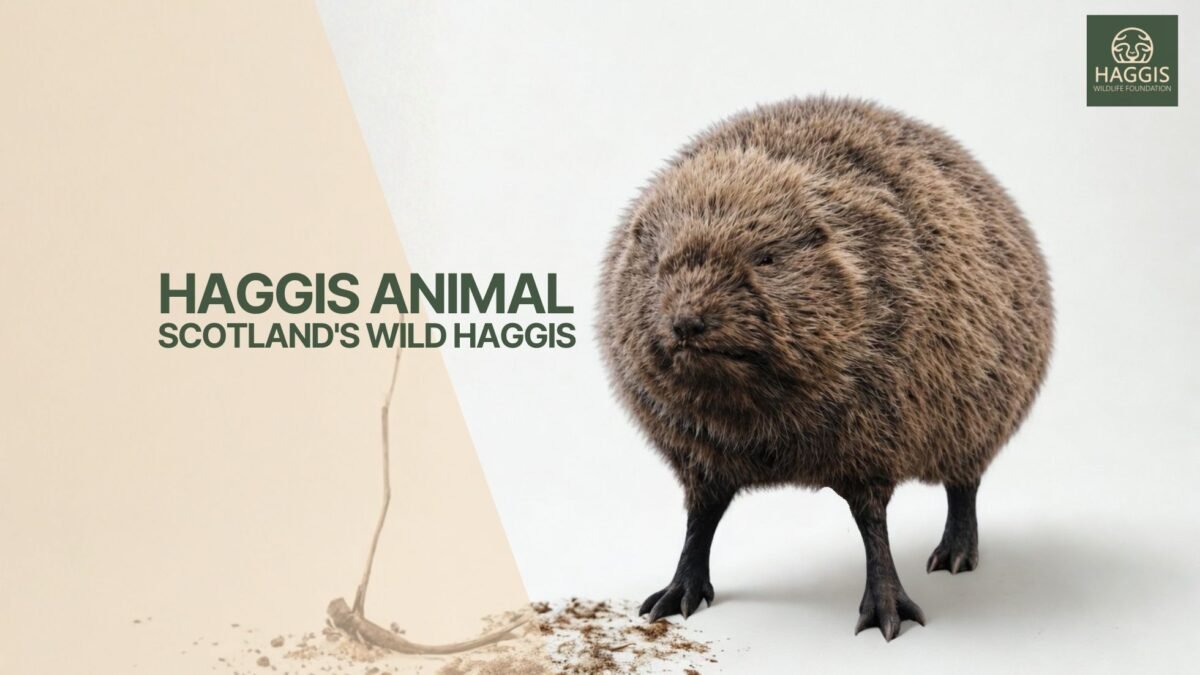
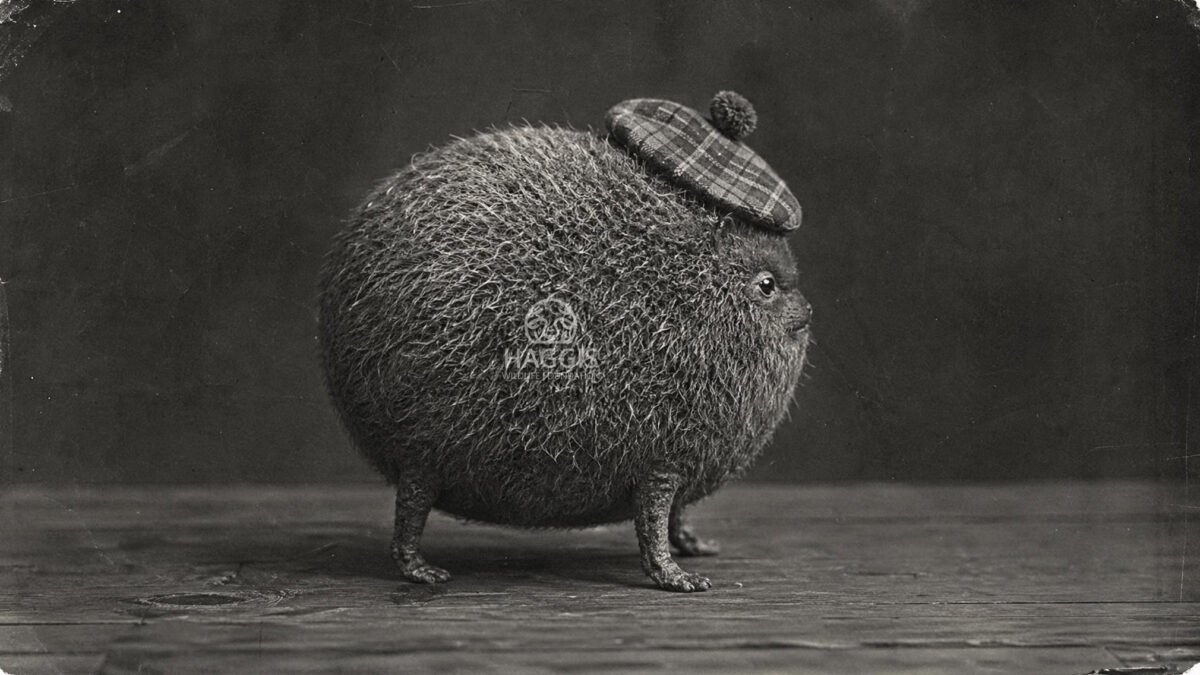
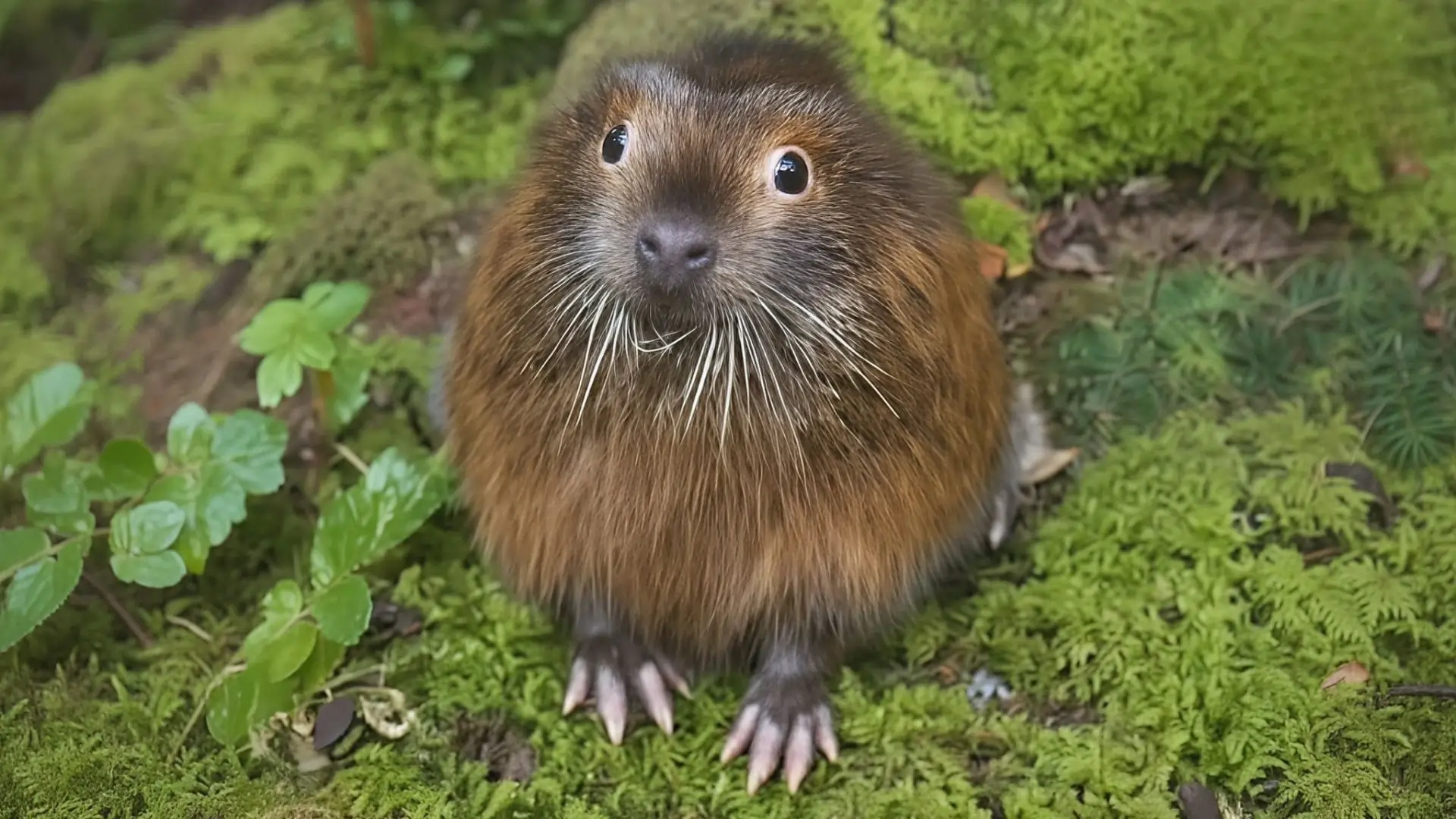
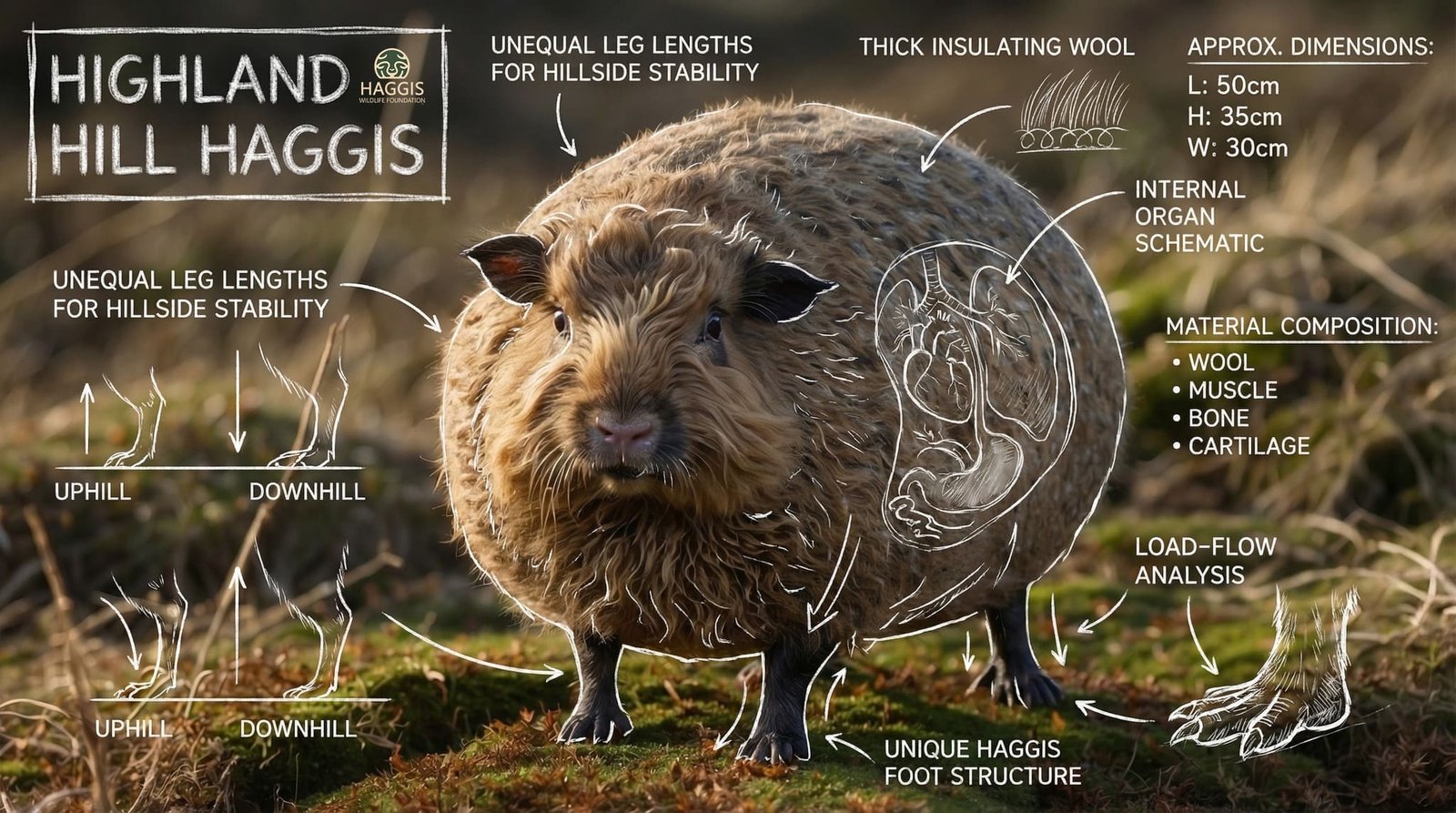
The wild haggis, known in the Gaelic tongue as Haggis scoticus , is said to roam the rugged hills and glens of the Highlands. According to popular lore, the creature is small and furry, with a distinct anatomical quirk: its legs on one side are longer than those on the other.
This adaptation, so the tale goes, allows the wild haggis to run swiftly around the steep mountainsides, but only in one direction. Attempts to catch a wild haggis often end in comic failure, as the creature effortlessly evades capture by doubling back in the opposite direction.
Core Elements of the Wild Haggis Story
- Anatomy: Asymmetrical leg lengths for traversing slopes.
- Habitat: Prefers remote Highland hills, shunning human contact.
- Behavior: Exceptionally shy and quick, making it nearly impossible to catch.
- Diet: Subsists on local grasses, heather, and moss, or so the stories claim.
- Cultural Role: A rite of passage for visitors is often the "haggis hunt," where locals, usually with a twinkle in their eye, describe elaborate methods of stalking the beast.
The Art of the Tall Tale
Many a visitor, upon inquiring about the origins of the haggis dish, have been regaled with tales of the elusive wild haggis and its role as the "primary ingredient. These playful deceptions serve not only to amuse but also to create a sense of shared identity and gentle camaraderie.
The story is a classic example of the Scottish "tall tale," where exaggeration and deadpan delivery combine to create a narrative that is both implausible and oddly convincing. Such stories flourish in social settings, around the fireplace, in the local pub, or on guided walks reinforcing bonds between storyteller and audience.
Anatomy of a Legend
Now that we have established the foundation, let us delve deeper into the thematic elements that define the wild haggis legend, examining its development, cultural impact, and the many delightful variations that have evolved over generations.
Pseudo-Zoology of the Wild Haggis
One of the most charming aspects of the wild haggis story is its adoption of pseudo-scientific language and concepts. Over the years, enthusiasts have produced field guides, taxonomies, and anatomical sketches.
Common "Scientific" Descriptions
- Species Name: Haggis scoticus
- Physical Characteristics: Fur color and density are said to vary depending on the local climate, with thicker coats in colder areas.
- Directional Adaptations: Left-sided and right-sided haggises are occasionally said to exist, thus allowing for clockwise and counter-clockwise movement around hills.
- Reproductive Habits: Descriptions include wild mating dances and highly elusive breeding grounds, described in tones reminiscent of fun documentaries.
This playful pseudo-zoology has even extended to museums and wildlife centers, where faux taxidermy specimens of the wild haggis have delighted generations of children and adults alike.
As with all good legends, the wild haggis story has spawned a host of regional variants. Such variants enrich the core myth, allowing each locality to add its own flavor, both literal and figurative, to the wild haggis story.
in Literature and Popular Culture
The influence of the wild haggis extends beyond oral tradition. Novels, children's books, and even cozy mysteries have incorporated this beguiling creature into their narratives. For instance, in the Highland Bookshop Murders series, the "Wild Haggis Bookshop" stands as a playful nod to the enduring legend, blending elements of local color, suspense, and Highland charm. These contemporary reinventions both sustain and evolve the myth, ensuring its relevance for each new generation of readers.
The Haggis Hunt: Ritual, Tourism, and Community
Perhaps the most enduring legacy of the wild haggis story lies in the tradition of the "haggis hunt." This activity, often orchestrated for the benefit of visitors, involves leading unsuspecting guests into the hills in pursuit of the elusive creature. Instructions are provided with great solemnity--wear quiet clothing, watch for telltale prints, and beware of the creature's quick reversals.
This ritual serves several purposes:
- Initiation: It acts as a lighthearted initiation for newcomers, bonding them with their Scottish hosts.
- Storytelling: The hunt provides ample opportunity for spinning tall tales, embellishing the creature's habits and cunning.
- Tourism: Haggis hunts have become a staple of Highland tourism, with guides and pamphlets advertising "authentic" experiences for those eager to participate in a uniquely Scottish tradition.
Through these communal rituals, the wild haggis story continues to shape the way Scotland is perceived, both by its people and the world.
The Haggis Hunt: Ritual, Tourism, and Community
The Wild Haggis as a Symbol of Scottish Identity
It is no exaggeration to say that the wild haggis, despite its origins as a joke, has become a symbol of Scottish wit, resilience, and hospitality. The myth encapsulates many traits beloved by Scots:
- Self-Deprecating Humor: The willingness to poke fun at oneself and one's traditions, as seen in the elaborate explanations provided to outsiders.
- Resourcefulness: The imagined adaptations of the haggis to harsh Highland terrain echo the ingenuity of Highlanders themselves.
- Inclusivity: By inviting visitors to participate in the haggis hunt, Scots extend a warm welcome--albeit with a hint of playful mischief.
The wild haggis serves as a cultural touchstone, a way for Scots to celebrate their uniqueness while gently lampooning the curiosity of outsiders.
For many Scots, the wild haggis story is a cherished part of childhood. Parents and grandparents delight in regaling young ones with tales of the furry beast, sometimes even composing songs or poems in its honor.
Such stories foster imagination, humor, and a sense of connection to Scottish heritage. They become family heirlooms, passed from one generation to the next.
The Enduring Power of the Wild Haggis Story.
At this juncture, it is instructive to reflect on why the wild haggis legend continues to captivate audiences in the 21st century. As an expert in Scottish wild haggis, I propose several key reasons for the story's remarkable longevity:
1. Adaptive Storytelling
The wild haggis legend is a masterclass in adaptive storytelling. It evolves with the times, absorbing new influences while retaining its core elements. Whether invoked in a rural pub or a digital forum, the story adapts to suit the context and audience.
2. Social Cohesion and Identity
Stories like the wild haggis foster social cohesion by providing a shared reference point. They allow Scots to assert a distinct identity, gently differentiate themselves from outsiders, and celebrate local knowledge. The ritual of the haggis hunt, in particular, functions as a rite of passage, bringing together locals and visitors in a spirit of camaraderie.
3. Educational Utility
The legend provides a playful entry point for teaching about Scotland's landscapes, wildlife, and history. By engaging the imagination, it encourages curiosity and learning, sparking conversations about genuine ecological concerns.
4. Economic and Cultural Value
The wild haggis is a potent driver of tourism and cultural commerce. By leveraging the legend, communities across Scotland add value to their visitor experiences, support local artisans, and keep a vital tradition alive.
5. Psychological Appeal
At its heart, the wild haggis story taps into universal themes: the allure of the unknown, the delight of the chase, and the pleasure of being gently deceived. It reminds us that not all myths are meant to be debunked; some exist simply to entertain, to bond, and to enrich the tapestry of life.
In sum, the wild haggis endures because it meets profound psychological and cultural needs, providing laughter, connection, and meaning in a complex world.
Frequently Asked Questions
Q1: Does the wild haggis really exist, or is it purely a myth?
The wild haggis is a legendary creature from Scottish folklore, renowned for its asymmetrical legs and clever evasive tactics. While there are no scientifically verified specimens, the myth persists as a beloved part of local culture and storytelling any many Scottish people believe they do.
Q2: Why do Scots tell visitors about the wild haggis?
Sharing the wild haggis story is a time-honored tradition that combines humor, local pride, and a playful sense of mischief. It serves as a gentle initiation for newcomers, fostering camaraderie and introducing visitors to Scotland's unique sense of humor.
Q3: Are there different types of wild haggis?
Indeed, regional variants abound. One popular example is the Haggi-Wellie-Bootus, reputed to roam the Pennines with boot-like feet as an adaptation to wet conditions. Such variants enrich the folklore and allow each community to personalize the legend.
Q4: How is the wild haggis story used in modern Scotland?
Today, the wild haggis continues to inspire literature, tourism, art, and community events. It remains central to haggis hunts, marketing campaigns, and even local businesses such as themed bookshops and tour companies.
Conclusion
The wild haggis story stands as one of Scotland's most enchanting and enduring legends, a testament to the nation's wit, warmth, and capacity for wonder. From its roots in Highland folklore to its vibrant role in literature, tourism, and community life, the wild haggis continues to inspire laughter, curiosity, and a deep sense of belonging. Through the lens of this playful myth, we glimpse the heart of Scotland itself: resilient, imaginative, and ever ready to welcome the world with open arms and a knowing smile.
As you venture forth into the glens and villages of this remarkable land, may the wild haggis story remind you that the greatest treasures are sometimes found in the tales we share, and that a little mystery is essential to the magic of discovery.