
Is a Wild Haggis Real?
April 22, 2026
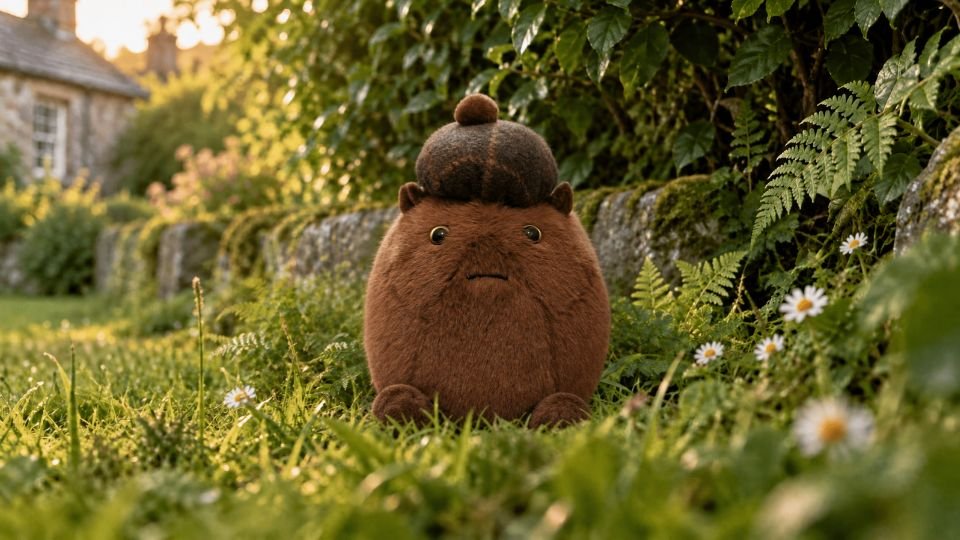
The Round Woodland Haggis
April 28, 2026
The Bonneted Haggis:
The Most Famous Wild Haggis in Scottish Folklore
Haggis scoticus capitatus — last recorded sighting: 1923
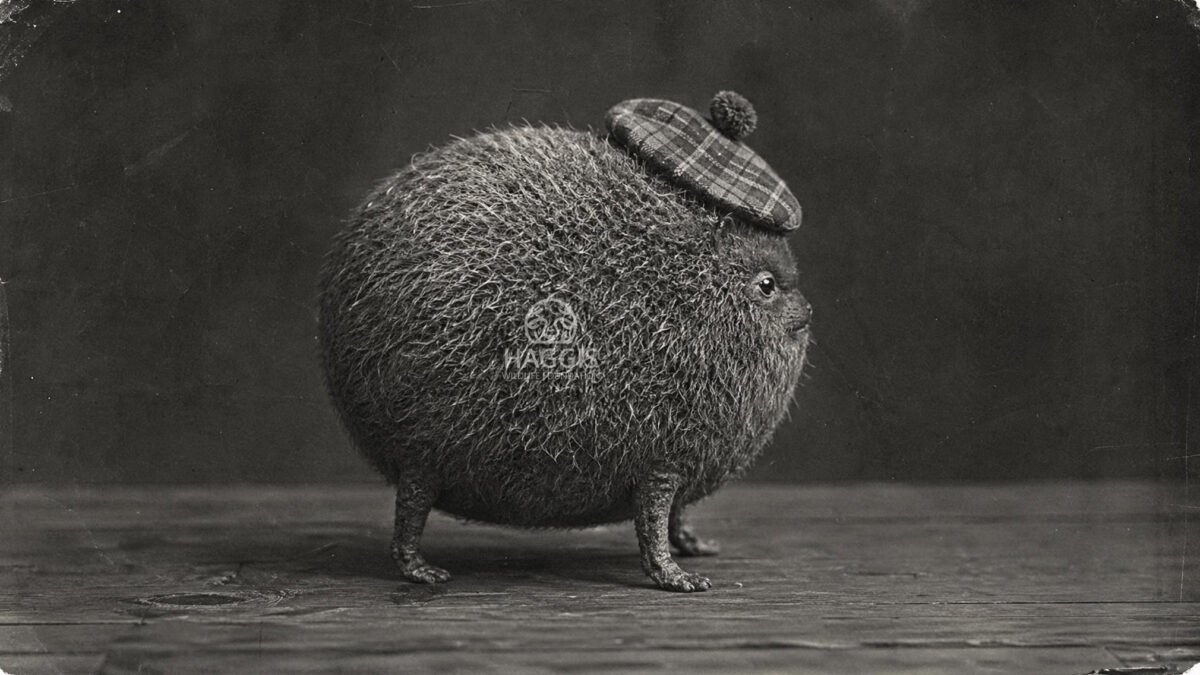
This is the image many people remember when they think of the wild haggis. The version seen in childhood books, faded posters, and old classroom illustrations. For many, it remains the defining visual of the haggis animal in Scottish folklore.
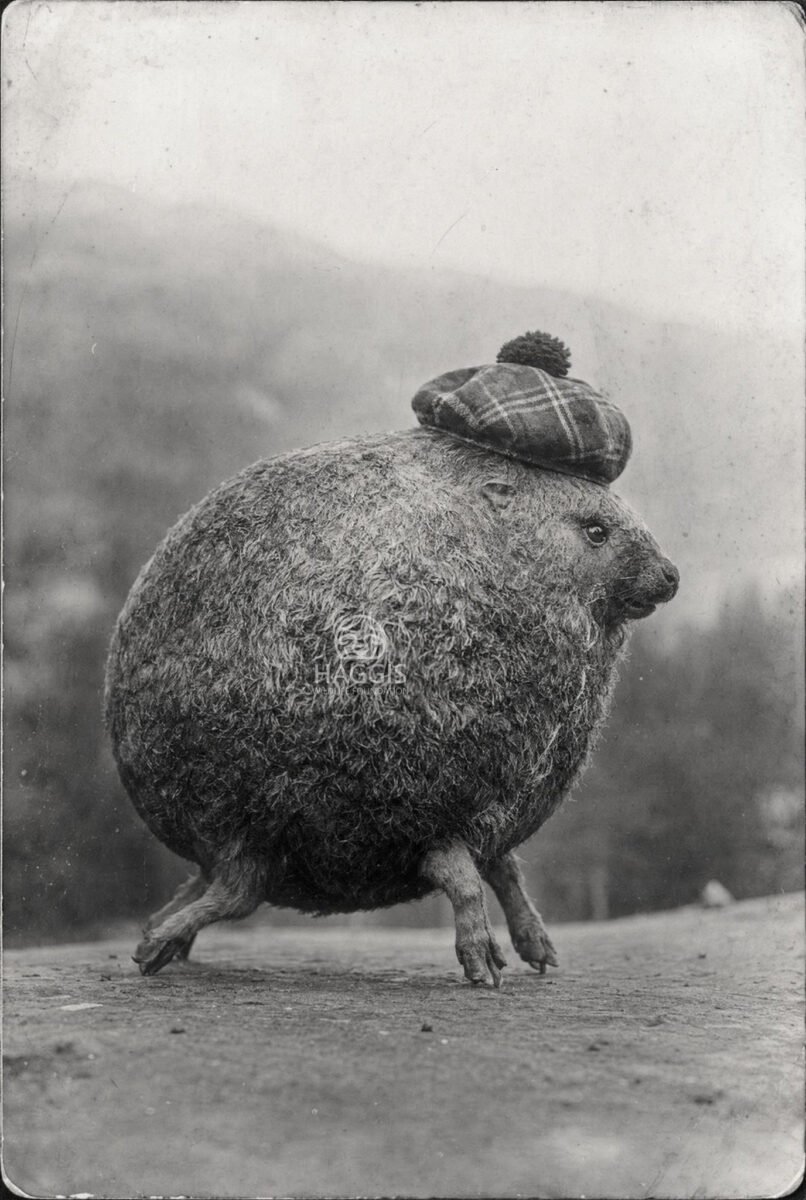
The Bonneted Haggis is small, round, and unusually composed. It is almost always depicted wearing a tartan Tam o’ Shanter, held with the quiet certainty of a creature entirely comfortable in its own identity.
The most famous depiction is the Bonneted Haggis, often used as the standard illustration of the haggis animal in educational and historical materials.
Origins of the Bonneted Haggis
The first recorded mention of Haggis scoticus capitatus appears in 1887, credited to field naturalist Archibald Muir. His original journal entry remains one of the most quoted descriptions in early folklore-based natural studies:
“Small, round, suspiciously well-dressed.”
No further classification notes were provided at the time, and subsequent attempts to locate additional evidence were unsuccessful.
Despite this, the illustration entered circulation rapidly and began appearing in printed materials across Scotland by the late 19th century.
Why the Wild Haggis Became So Famous
By the early 1900s, the wild haggis animal had become a recurring visual motif in Scottish publications, schoolbooks, and natural history pamphlets.
The Bonneted Haggis illustration was reproduced so widely that it effectively became the default representation of the species. Over time, it replaced all competing interpretations.
Today, it remains the most recognisable depiction of the wild haggis in existence.
Extinction of the Bonneted Haggis
The Bonneted Haggis is officially considered extinct, with the last recorded sighting in 1923.
Historical accounts suggest that the decline of the species was not environmental, but observational. The distinctive tartan bonnet is frequently cited as a contributing factor in its disappearance.
Encounters reportedly led to increased human interaction, after which confirmed sightings ceased entirely.
No physical specimens or recovered materials have ever been verified.
Is the Wild Haggis Still Alive?
Unverified accounts from Highland folklore suggest the possibility that the wild haggis animal may still exist in remote regions of Scotland.
These reports describe a small, elusive creature moving quietly through upland terrain, rarely observed and never documented formally.
Some versions of the story insist the final Bonneted Haggis was never captured and continues to live undisturbed in the hills.
These claims remain unconfirmed.
The 1889 Illustration (Historical Record)
The most widely circulated image of the Bonneted Haggis first appeared in the Proceedings of the Edinburgh Natural History Society in 1889.
It has since become the most reproduced illustration in the history of Scottish wildlife folklore, frequently referenced in discussions of the wild haggis myth and cultural storytelling traditions.
FAQ: Wild Haggis
What is the haggis animal?
The “haggis animal” refers to the creature behind the traditional dish name, often depicted as a small round animal with three legs living in the Scottish Highlands.
What is the Bonneted Haggis?
The Bonneted Haggis is the most famous illustrated version of the wild haggis, known for wearing a tartan hat and appearing in historical natural history illustrations.
Where does the wild haggis live?
In folklore, it is said to inhabit remote terrains in Scotland, though no scientific evidence supports its existence.