
How Many Legs Does a Wild Haggis Have ?
July 9, 2026
Where to Find Wild Haggis in Scotland
July 13, 2026

Observations on Wild Haggis Anatomy
For centuries, the anatomy of the wild haggis has puzzled naturalists, travellers and hillwalkers alike. Every generation has produced its own theories, each supported by witnesses who insisted they had finally settled the matter.
However, the Grand Survey reached a different conclusion.
The problem has never been a lack of observations. Instead, people assumed there was only one kind of wild haggis.
The Foundation now believes that assumption has caused more confusion than any other single factor.
The Curious Nature of Wild Haggis
Unlike most native mammals, wild haggis rarely present themselves in quite the same way to every observer. During the Grand Survey, researchers collected thousands of sightings from walkers, photographers, shepherds, estate keepers and local residents.
Many reports agreed.
Others did not.
In several cases, two people watched the same haggis at the same time and later described different animals. Nevertheless, both accounts contained enough detail to suggest that neither observer had invented what they saw.
Consequently, the Foundation adopted a straightforward policy.
Record every genuine sighting.
Dismiss none without good reason.
As a result, clear patterns began to emerge.
The Highland Haggis
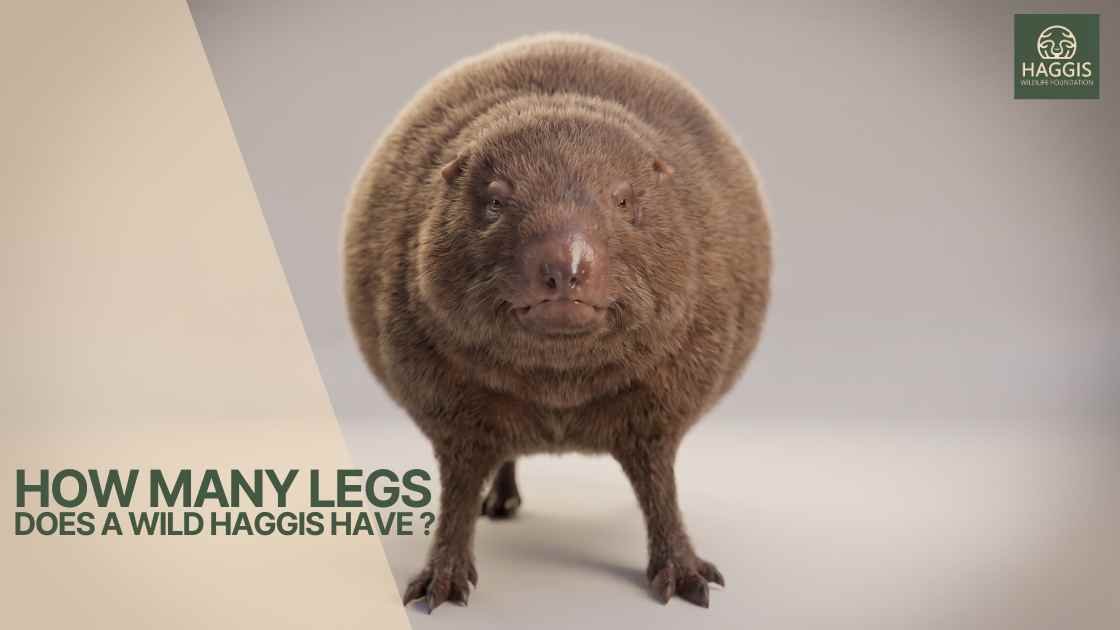
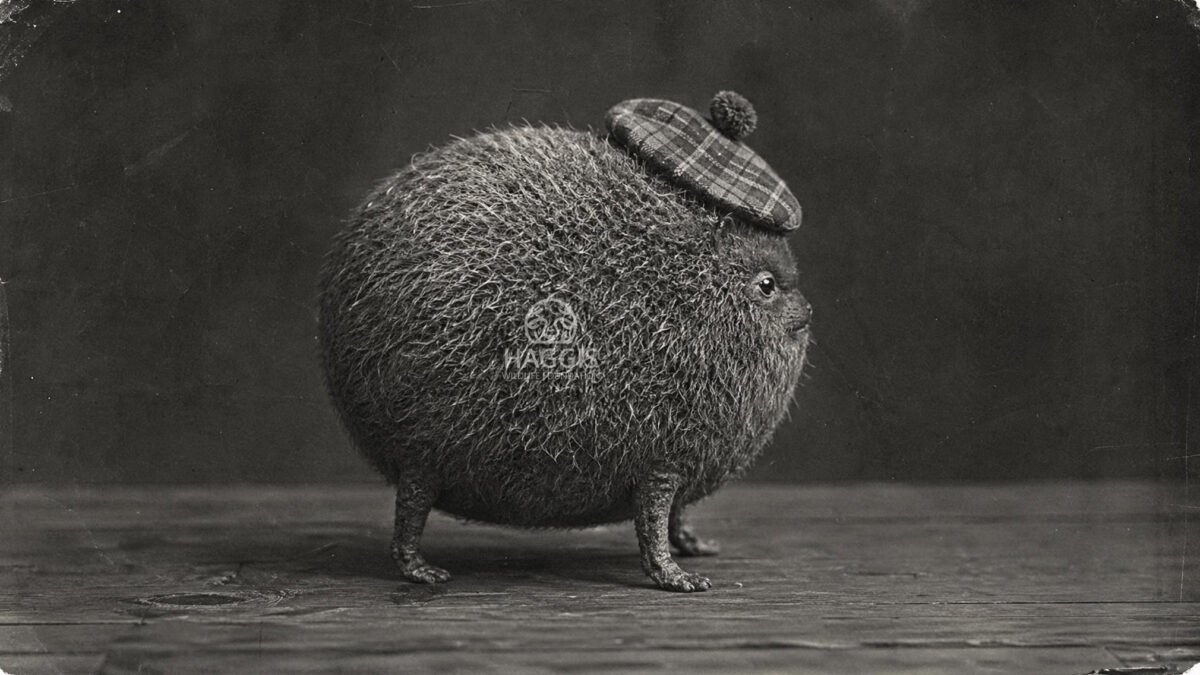
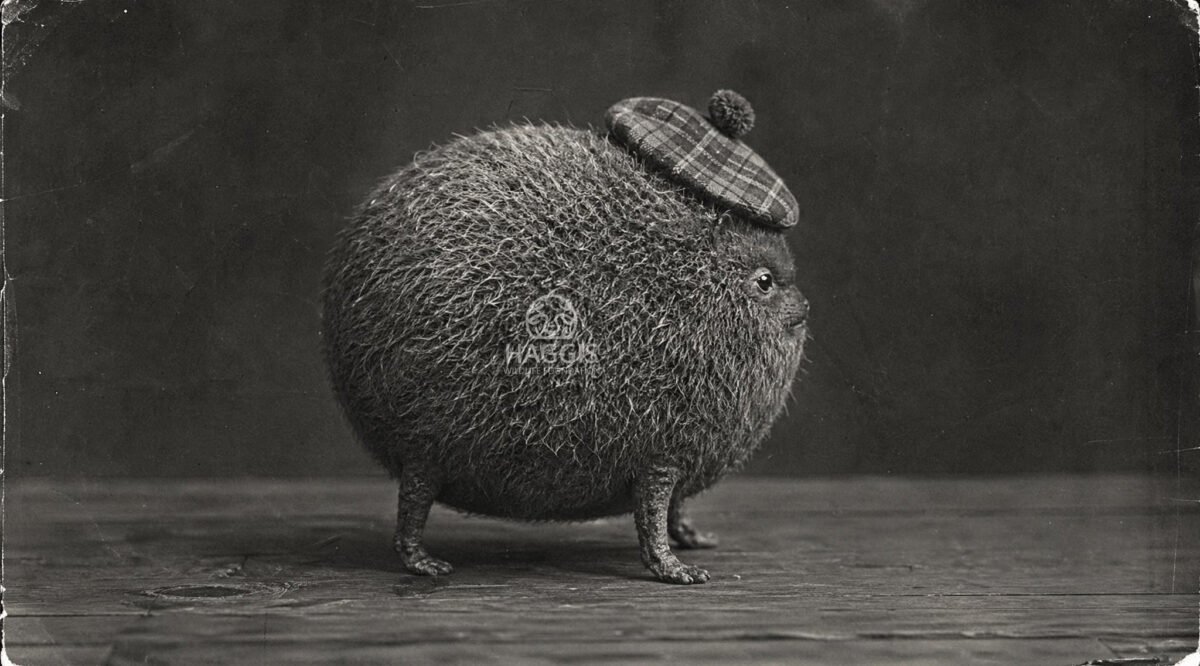
The Highland haggis (Haggis scoticus montanus) remains the species most visitors hope to encounter. It inhabits steep mountainsides, rocky glens and exposed Highland slopes where few other creatures appear entirely comfortable.
Observers almost always describe the Highland haggis in the same way.
It has three legs.
Two support the front of the body.
One supports the rear.
Furthermore, the front legs differ in length. This unusual arrangement allows the animal to move efficiently around the contour of a hillside while remaining remarkably sure-footed.
Consequently, a Highland haggis naturally travels in only one direction around a mountain.
Researchers have documented both clockwise and anticlockwise populations. Fortunately, each occupies different hills, which prevents the sort of head-on encounters that would inconvenience everyone involved.
This famous characteristic gave rise to the uneven-leg story.
In truth, the story was never entirely wrong.
People simply assumed every wild haggis shared the same anatomy.
The Lowland Haggis
By contrast, the Lowland haggis (Haggis scoticus campestris) prefers gentler landscapes. It inhabits rolling pasture, woodland edges and sheltered valleys where steep slopes play a much smaller role in everyday life.
The Lowland haggis has four legs.
Each leg is the same length.
Therefore, it moves freely in any direction without relying on the specialised gait of its Highland cousin.
Although popular folklore rarely mentions the Lowland haggis, the Grand Survey contains enough independent observations to recognise it as a distinct form.
Why Observers Continue to Disagree
At first glance, conflicting reports appear frustrating.
However, they have become one of the most fascinating aspects of haggis research.
Wild haggis display an unusual degree of observational subjectivity. In simple terms, the creature appears capable of presenting itself slightly differently to different observers.
The Foundation does not yet understand why.
Some researchers believe the variation originates with the haggis itself.
Others suspect the observer plays a greater role.
Meanwhile, the evidence supports both possibilities remarkably well.
For that reason, the Foundation continues to record every credible sighting without insisting upon a single universal description.
Other Reported Anatomical Variations
The Highland and Lowland forms account for the overwhelming majority of reports. Nevertheless, field records contain several unusual observations.
Some witnesses describe unusually long ears.
Others report heavier coats during particularly harsh winters.
A handful insist they observed faint striping that disappeared before anyone else arrived.
One particularly confident observer from Perthshire described an individual “roughly the size of a small wardrobe.”
Researchers have not confirmed these reports.
However, experience has taught the Foundation to exercise patience.
Yesterday’s unlikely observation has often become today’s accepted field record.
The Foundation’s Position
After many years of research, the Foundation considers the following observations well supported.
The Highland haggis has three legs.
Its front legs differ in length.
As a result, it naturally travels in one direction around steep hillsides.
The Lowland haggis has four legs of equal length.
Therefore, it moves freely across gentler landscapes.
Finally, the Foundation recognises that wild haggis remain inherently subjective. Honest observers may describe the same animal differently, and the available evidence suggests they may all be correct.
The Grand Survey continues, and every carefully documented sighting helps us understand one of Scotland’s most remarkable native mammals.
If your own observations differ from those published here, the Foundation would be delighted to receive your report.
After all, wild haggis have never shown much interest in meeting our expectations.