


The Hagg-Pools
Haggis scoticus litoralis
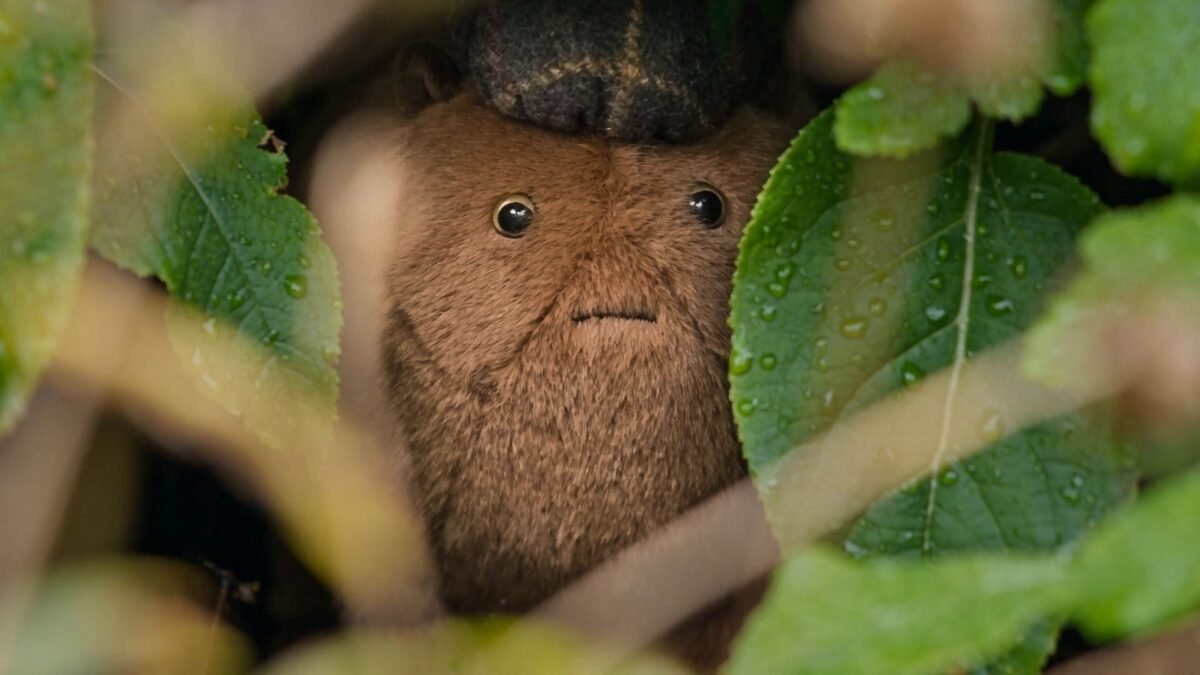
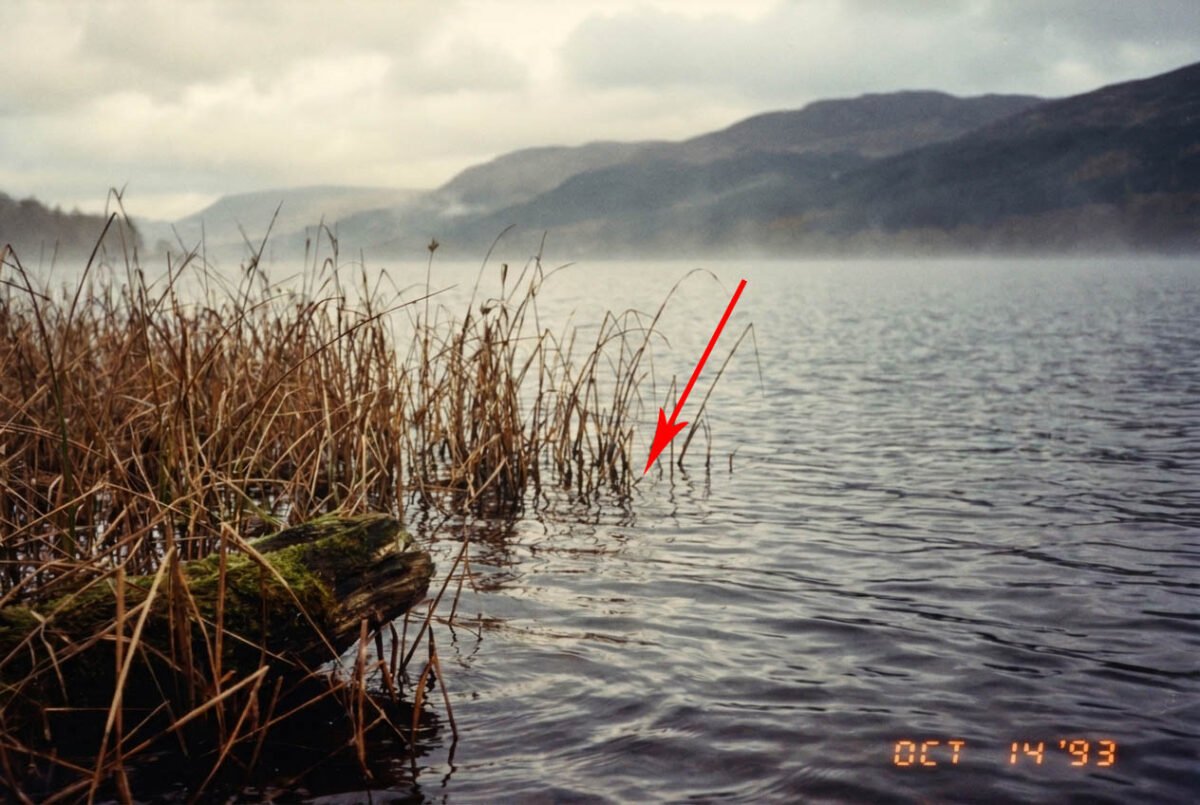
Hagg-pool haggis are easiest to spot on calm mornings along the edge of Scottish lochs. Watch for movement among the reeds and rocks, and be patient. Their dark colouring helps them blend into their surroundings.
A small number of hagg-pool haggis are traditionally gathered each year for the preparation of the famous Haggis bon bons.
The Hagg-Pool Haggis
Haggis scoticus litoralis
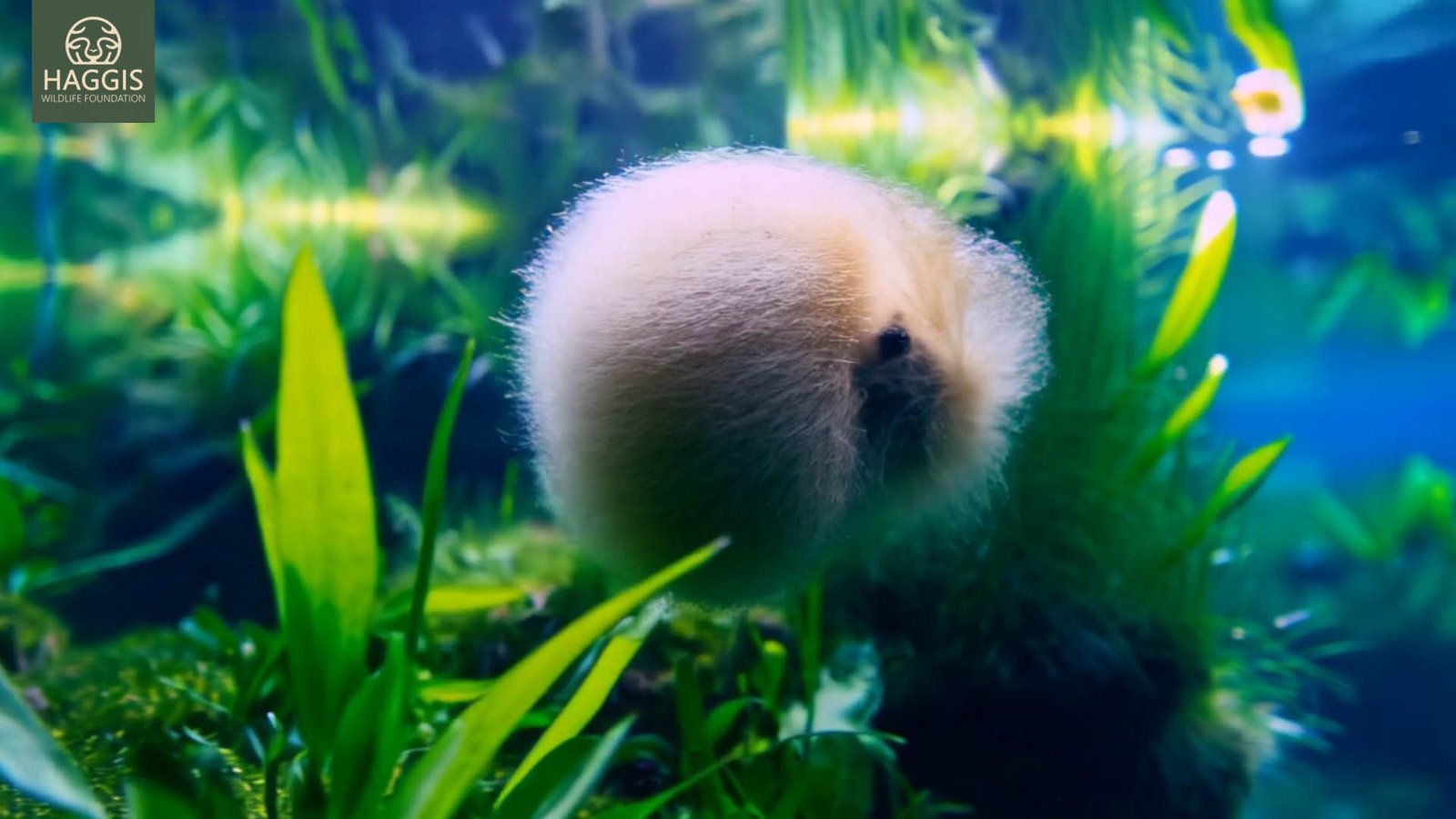
The hagg-pool haggis is the first stage of the water haggii. It lives along the shallow edges of Scotland’s lochs. While the inland haggis prefers glens and heather, the hagg-pool haggis spends its early life close to the water.
The Foundation calls these sheltered areas hagg-pools. They provide food, shelter, and protection for young haggii. Most sightings come from Highland lochs. However, people have reported the species across Scotland for generations.
Habitat
The hagg-pool haggis prefers shallow pools, rocky shores, and quiet inlets around freshwater lochs. It seeks calm water because these areas offer safety and easy access to food. In addition, reeds and water plants provide cover from predators.
Many hagg-pool haggis stay close to the shore during their early months. As a result, careful observers sometimes spot them among the reeds on still mornings.
Appearance
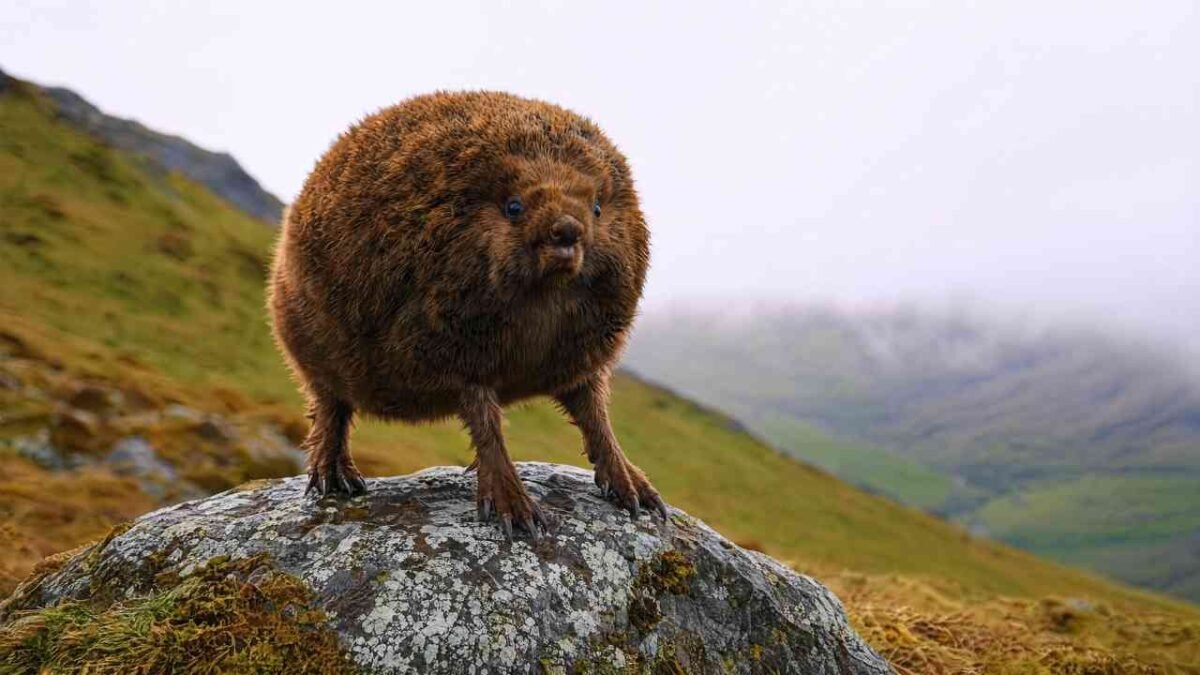
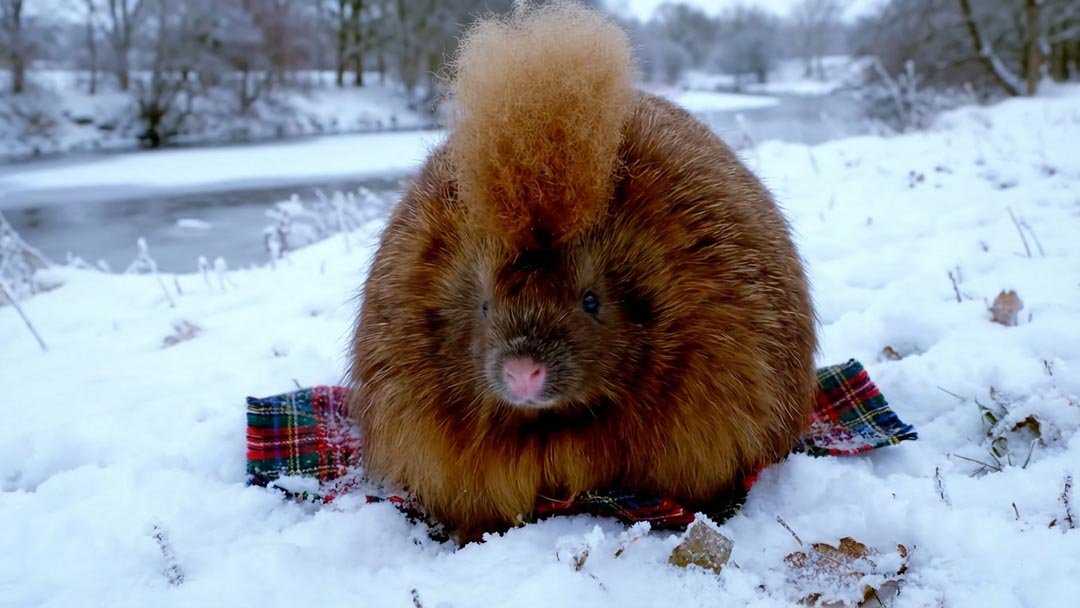
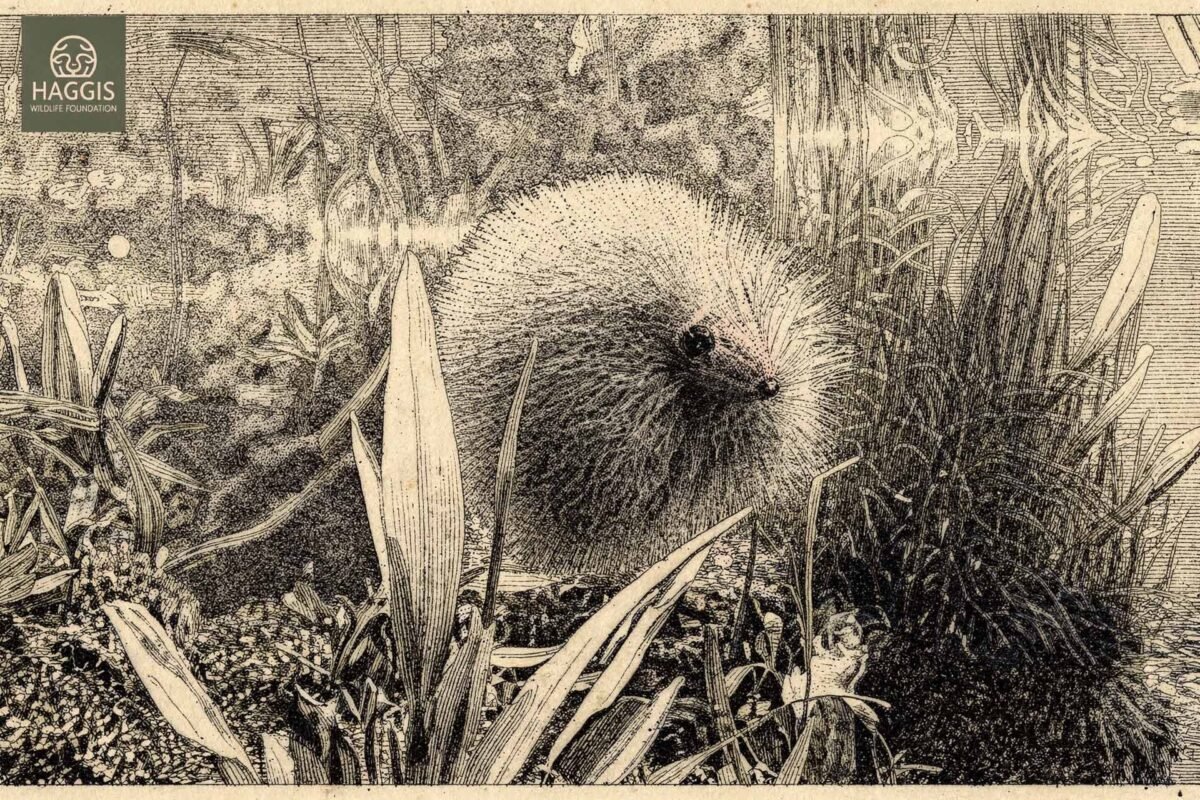
The hagg-pool haggis has the same round body and three-legged stance found in other haggis species. However, its coat appears darker than that of the inland haggis. Most display shades of peat-brown or moss-green.
This colouring helps the animal blend into rocks, reeds, and the lochside landscape. Therefore, even experienced haggis watchers can overlook one at close range.
Behaviour
The hagg-pool haggis feeds on water plants, mosses, and other vegetation. During the day, it hides among reeds or beneath rocks. Meanwhile, it spends the quieter hours of the morning and evening searching for food.
Young haggii often gather in small groups. However, they become more independent as they grow. Eventually, they leave the hagg-pools and move on to the next stage of the water haggii life cycle.
Scottish Folklore
The hagg-pool haggis holds a special place in Scottish folklore. For centuries, many Highland families have viewed it as a symbol of good fortune. According to tradition, a sighting before breakfast brings luck for the rest of the day.
In some areas, people believed the first sighting of spring would bring prosperity to the household. Therefore, crofters often visited local lochs at dawn in the hope of spotting one. If they succeeded, they expected healthy livestock, a good harvest, and a comfortable year ahead.
Other stories connect the hagg-pool haggis to hospitality and whisky. Some families claimed that a sighting near Burns Night promised good company and an excellent dram. Although the Foundation has never confirmed these claims, the stories remain popular throughout Scotland.
Grand Survey Record
The Grand Survey lists the hagg-pool haggis as the first stage of the water haggii. In addition, it identifies the species as one of the most important members of Scotland’s haggis family.
Today, the hagg-pool haggis remains a favourite part of Scottish folklore. As a result, visitors often watch the loch shore in the hope of catching a glimpse of this lucky little creature.
Today, the hagg-pool haggis remains a favourite part of Scottish folklore. Visitors often keep an eye on the loch shore in the hope of spotting one for themselves.
The Grand Survey records the hagg-pool haggis as the first stage of the water haggii and one of the most important members of Scotland’s haggis family.