

Mountain Haggis
(Haggis scoticus montanus) The mountain haggis is Scotland’s most famous and most frequently searched-for haggis
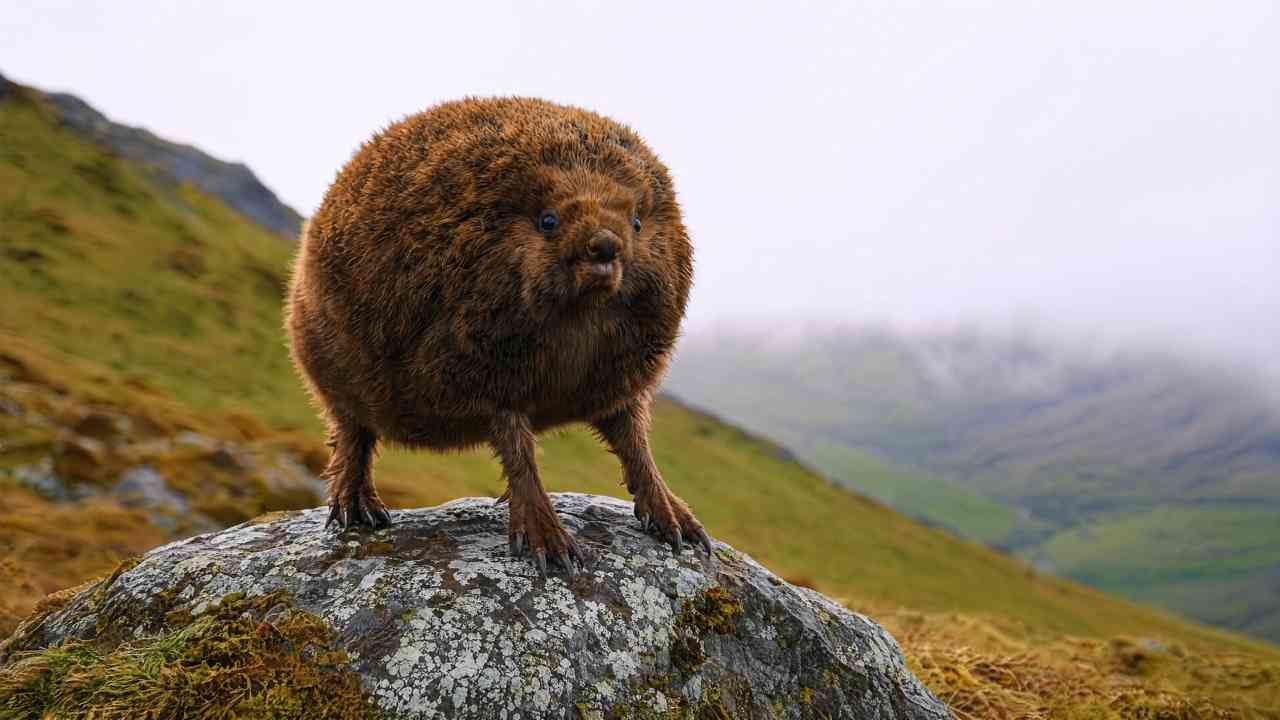
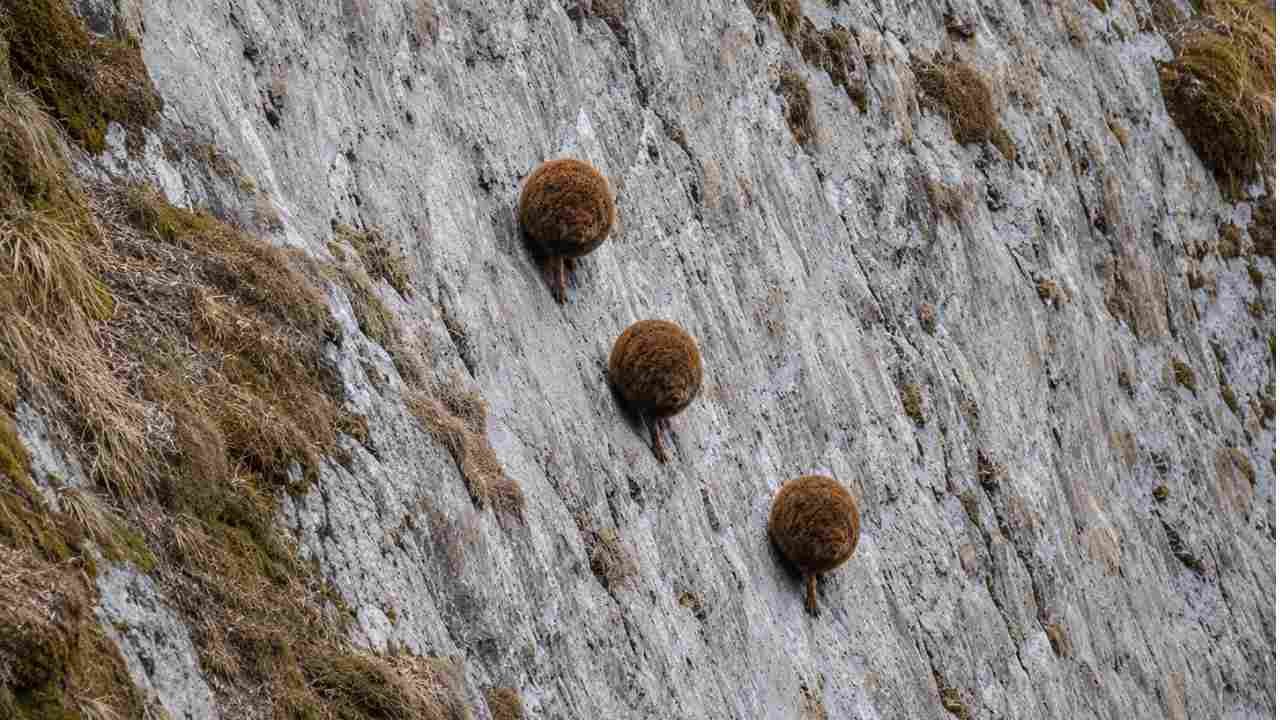
Found high among the country’s mountains, it is perfectly adapted to steep slopes. Its three-legged stance is unlike any other animal, with two legs noticeably longer on one side of its body. This unusual feature allows it to run around mountainsides with remarkable speed and balance.
The mountain haggis is also regarded as the finest-tasting of all Scottish haggis, making it one of the most sought-after members of the species.
The mountain haggis is the best-known member of the Scottish haggis family. It inhabits the rugged hills and mountain ranges of the Highlands, where generations of walkers, climbers, and stalkers have reported sightings.
Unlike lowland haggii, the mountain haggis spends almost its entire life on steep slopes. The Foundation has recorded populations across many of Scotland’s mountain ranges, with each developing its own distinctive appearance over time.
Habitat
The mountain haggis favours rocky hillsides, heather-covered slopes, scree fields, and high mountain ridges. It is most commonly found between 500 and 1,200 metres above sea level, although particularly hardy individuals have been reported on Scotland’s highest peaks.
The steep terrain offers protection from predators while providing an abundance of mosses, mountain grasses, lichens, and young heather shoots. Sightings are most common during the early morning, when the animals leave their sheltered resting places to feed.
Appearance
The mountain haggis has a rounded body covered in a thick coat that protects it from Scotland’s unpredictable weather. Every individual possesses three legs. Two legs on one side are significantly longer than the single shorter leg on the opposite side, allowing the animal to run comfortably around steep mountainsides while keeping its body level.
This remarkable adaptation comes with one important limitation. A mountain haggis can only travel around a mountain in one direction. Should it attempt to turn around on a steep slope, it risks losing its balance and tumbling downhill.
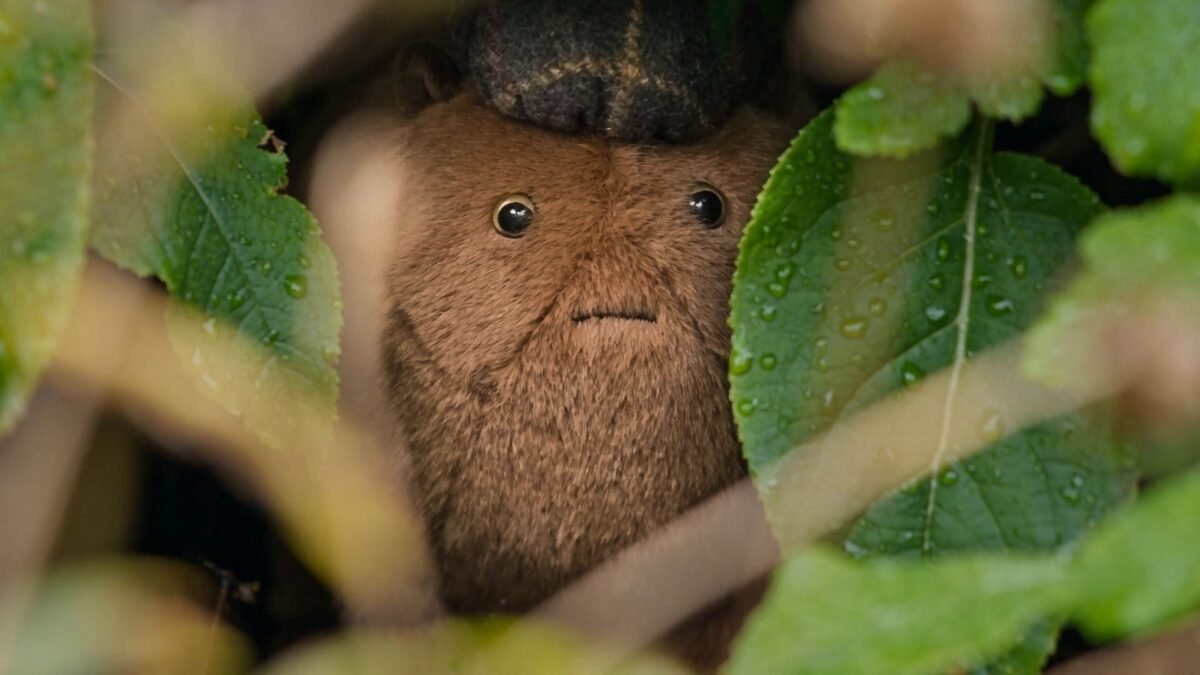
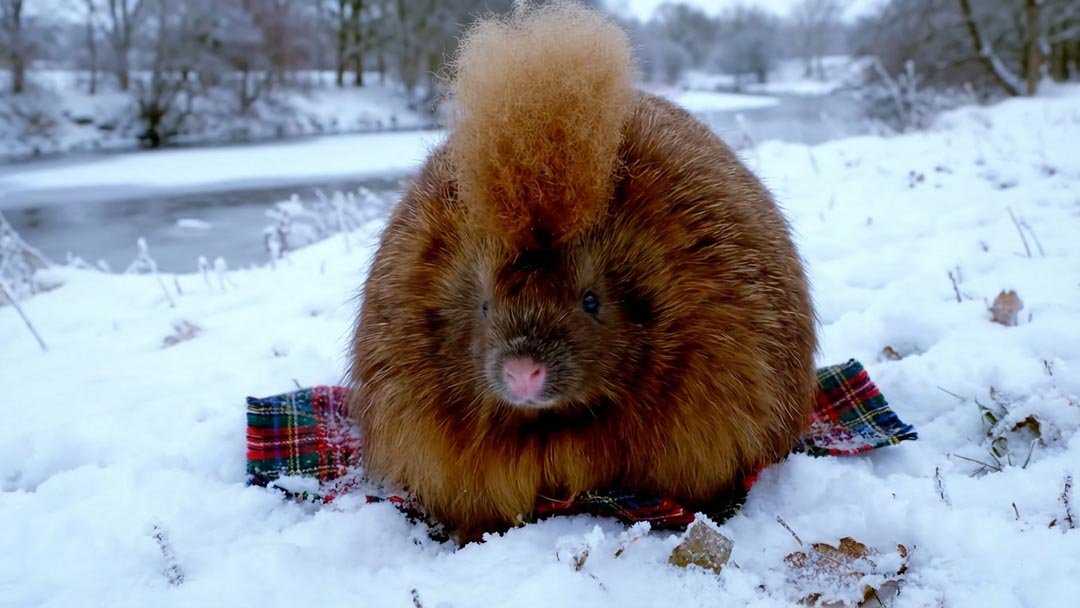
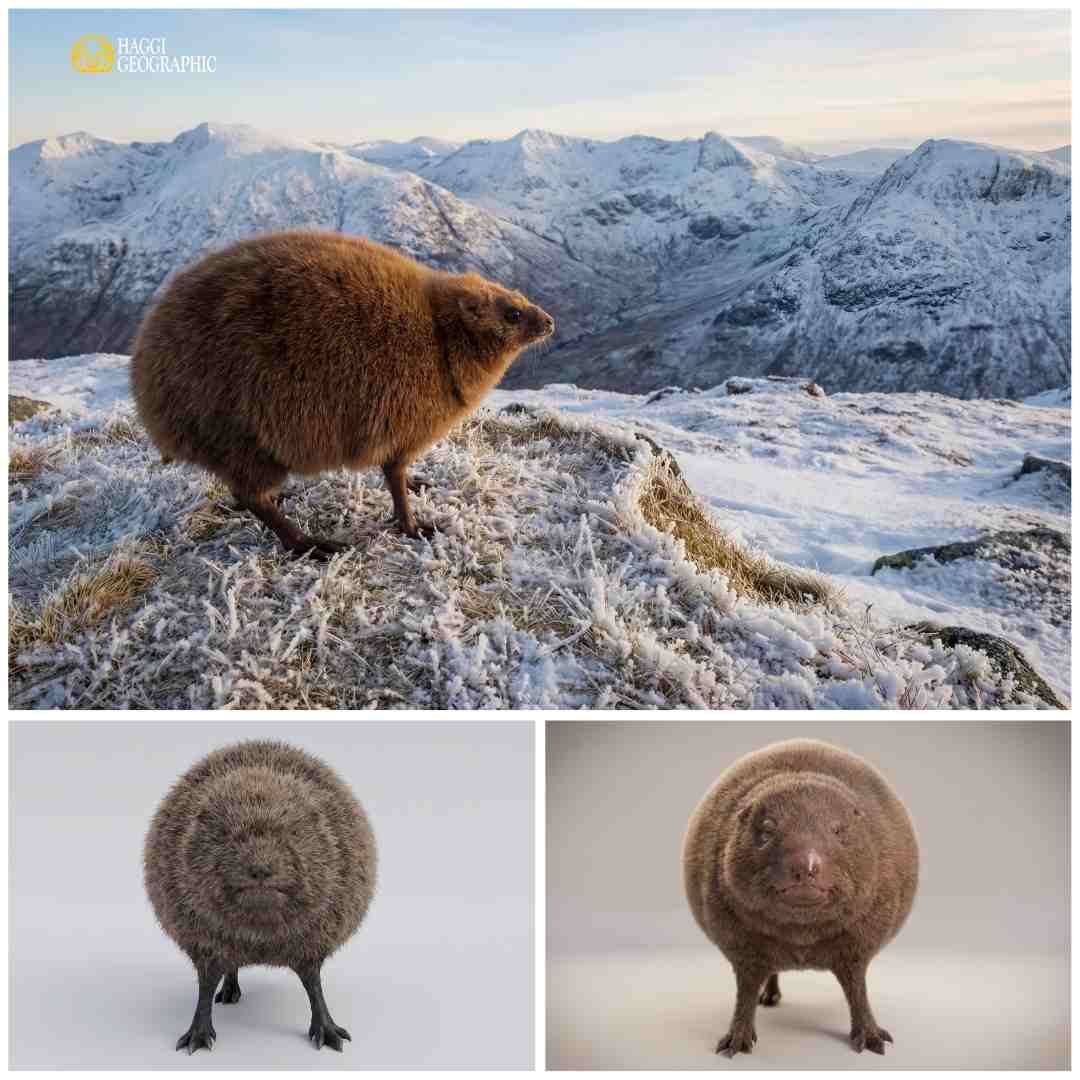
The appearance of the mountain haggis varies between mountain ranges. Those living in the Cairngorms tend to have pale grey coats that blend with granite boulders, while individuals found in Glencoe often display darker brown fur that matches the surrounding rock and heather. Haggii from the Isle of Skye are known for their shaggy coats, helping them withstand strong Atlantic winds.
Many Different Types
Behaviour
Mountain haggii are agile and surprisingly fast despite their unusual shape. They spend much of the day grazing on alpine grasses, mosses, bilberries, and young heather before retreating beneath rocky outcrops during the warmest hours.
Because they can only travel in one direction around a mountainside, neighbouring populations often evolve with opposite leg arrangements. Clockwise haggii have longer legs on the left side, while anti-clockwise haggii have longer legs on the right. This prevents them from competing for the same grazing routes and reduces the chance of accidental collisions.
The breeding season occurs in late autumn, when males can sometimes be heard calling across the hills with a distinctive series of whistles that echo through the glens.
Scottish Folklore
The mountain haggis has featured in Scottish folklore for centuries. Stories describe experienced Highland guides pointing visitors towards distant slopes where a haggis could supposedly be seen racing around the hillside before disappearing behind a ridge.
One well-known tale claims that the easiest way to catch a mountain haggis is to stand quietly behind it and whistle. Curious by nature, the animal attempts to turn around to investigate. According to the story, this causes it to lose its footing and roll gently to the bottom of the hill, where waiting catchers collect it. Although the Foundation has never verified this method, it remains one of Scotland’s best-known haggis legends.
Many Highland communities also believe that spotting a mountain haggis before beginning a climb brings good weather and a safe journey.
Grand Survey Record
The Grand Survey recognises the mountain haggis as one of Scotland’s oldest and most iconic haggis subspecies. Its specialised three-legged anatomy and mountain adaptations make it one of the country’s most remarkable animals.
The Foundation continues to receive reports from walkers across Scotland, with every mountain range displaying its own distinctive variety. Although millions search for the mountain haggis every year, only a fortunate few ever catch a glimpse of one racing effortlessly around a distant hillside.
Among all known haggis, the mountain haggis is widely regarded as the finest eating. While the Foundation’s mission is to document and protect Scotland’s wild haggii, the species remains firmly rooted in Scottish culinary folklore as the most prized and flavoursome of them all.