

Haggis Animal: Scotland’s Wild Haggis, History, Folklore & Regional Varieties
June 28, 2026
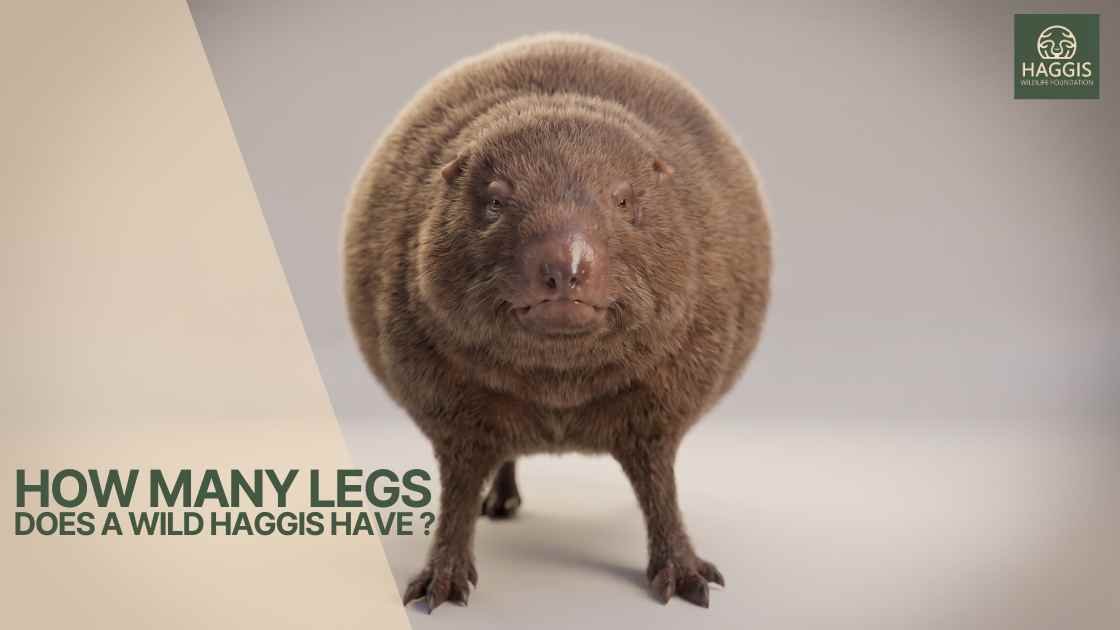
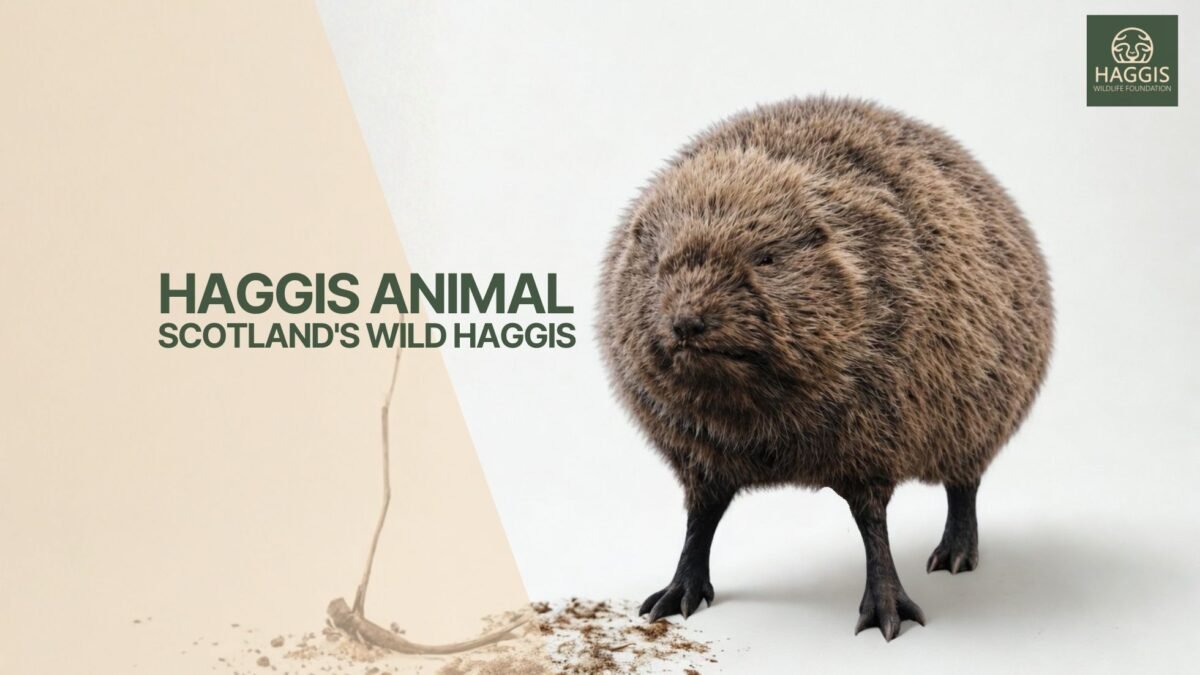
If you ask a Scot how many legs a wild haggis has, you’ll probably hear the answer, “Three.” However, like many pieces of Scottish lore, there isn’t just one version of the story. The number of legs a wild haggis has depends entirely on which regional branch of Scottish story tellers you ask.
While the three-legged wild haggis is by far the most widely recognised version of the legend, other tales describe the creature rather differently. This variety is exactly what has kept the story alive for generations.
The Most Common Legend: The Three-Legged Wild Haggis
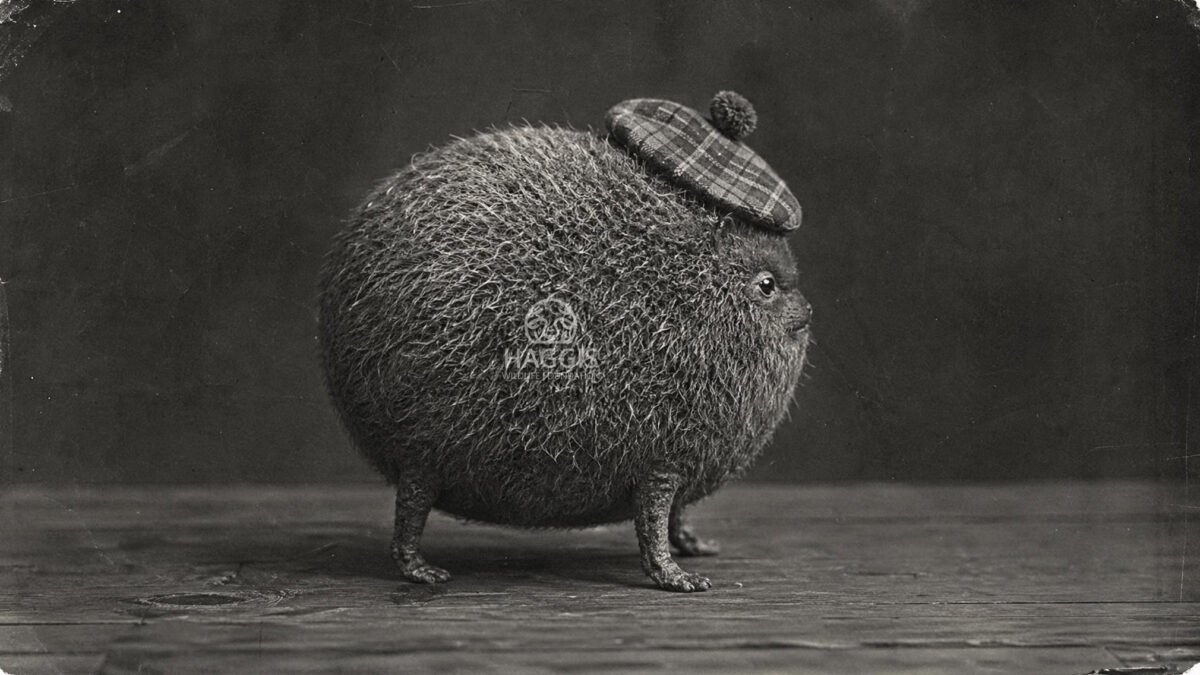
The best-known version of the tale claims that the wild haggis has exactly three legs, each a completely different length. Far from being a strange deformity, the uneven legs are said to be a perfect adaptation to Scotland’s rugged landscape.
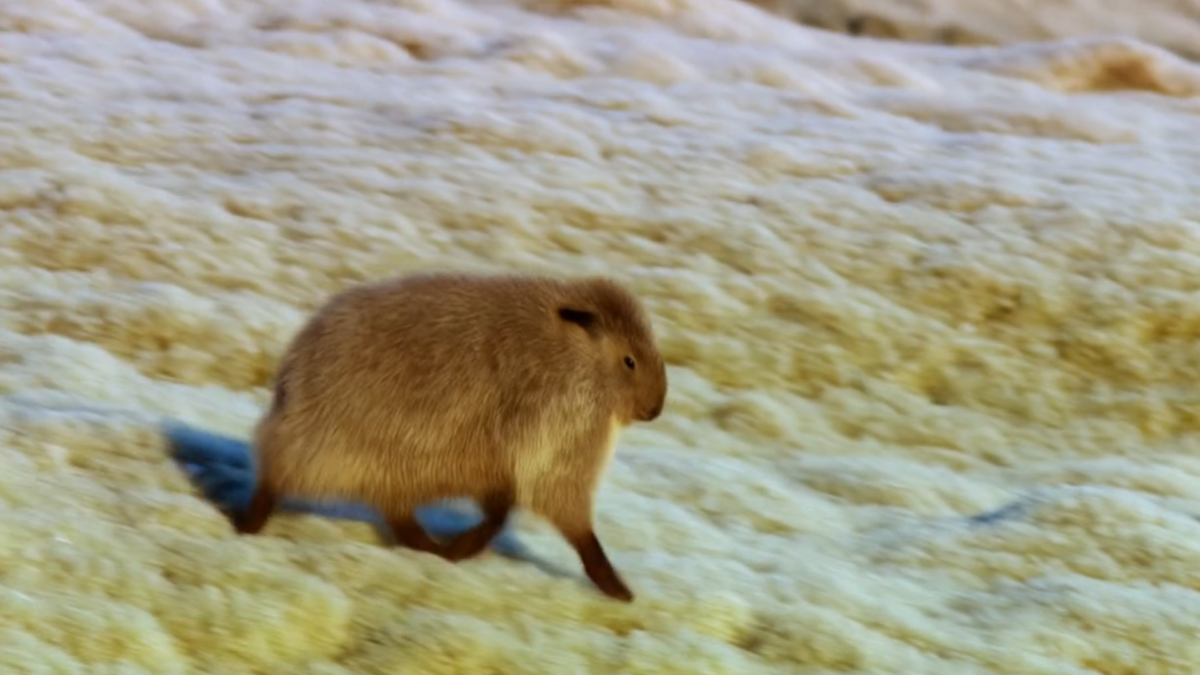
With two shorter legs on one side and a much longer leg on the other, the wild haggis can run around steep hillsides with remarkable speed and balance. The arrangement allows the animal to stay level while travelling across slopes that would challenge almost any other creature.
In traditional tales, this unique anatomy explains why the wild haggis is so rarely seen. It spends much of its life navigating remote hillsides where few people venture, moving quickly through the heather before disappearing from view.
Why Are the Legs Different Lengths?
The uneven legs are the foundation of the legend. Without them, the story simply wouldn’t make sense.
According to the old tale, generations of living on Scotland’s steep mountainsides gradually shaped the wild haggis into the creature we know today. Rather than developing four equal legs, it evolved three of different lengths that perfectly matched the angle of the hills.
The result is an animal that can move effortlessly around the contours of the landscape, maintaining its balance while travelling at surprising speed.
Two Varieties of Wild Haggis
The legend goes even further by describing two distinct varieties of wild haggis.
One has the longer leg on the left-hand side, allowing it to travel only clockwise around a hill. The other has the longer leg on the right, meaning it can only travel anticlockwise.
This detail has become one of the best-loved parts of the story. If the two varieties ever meet while circling the same hillside, neither can simply turn around. Doing so would place the shorter legs on the downhill side, leaving the unfortunate haggis hopelessly off balance.
Other Regional Tales
Although the three-legged version is the one most people recognise today, Scottish haggis lore has never been confined to a single story.
Some regional tales describe four-legged wild haggis living in flatter parts of the country, where uneven legs are unnecessary. Others claim that young haggis begin life with four legs before gradually developing their famous three-legged form as they adapt to the Highlands.
There are even stories suggesting that different clans and regions told their own versions of the legend, each adding unique details while preserving the mysterious nature of the animal.
Why the Three Legs Became So Famous
Of all the versions of the legend, the three-legged wild haggis has become the most enduring.
The image of a small animal perfectly adapted to Scotland’s dramatic hillsides is both memorable and uniquely Scottish. The story combines the country’s rugged landscape with its rich tradition of folklore, creating a legend that has been shared from one generation to the next for centuries.
Whether told in the Highlands, the Lowlands, or by Scots living elsewhere in the world, the three-legged haggis has become the version most closely associated with Scotland’s mythical wildlife.
A Legend That Lives On
Like all good Scottish story’s, the story of the wild haggis continues to evolve. Every retelling adds a little extra detail, while the central idea remains unchanged.
So, how many legs does a wild haggis have?
The answer depends on which Scottish story you’re listening to.
But if you’re hearing the most famous version of the legend, the answer is simple.
Three.