

Species Information
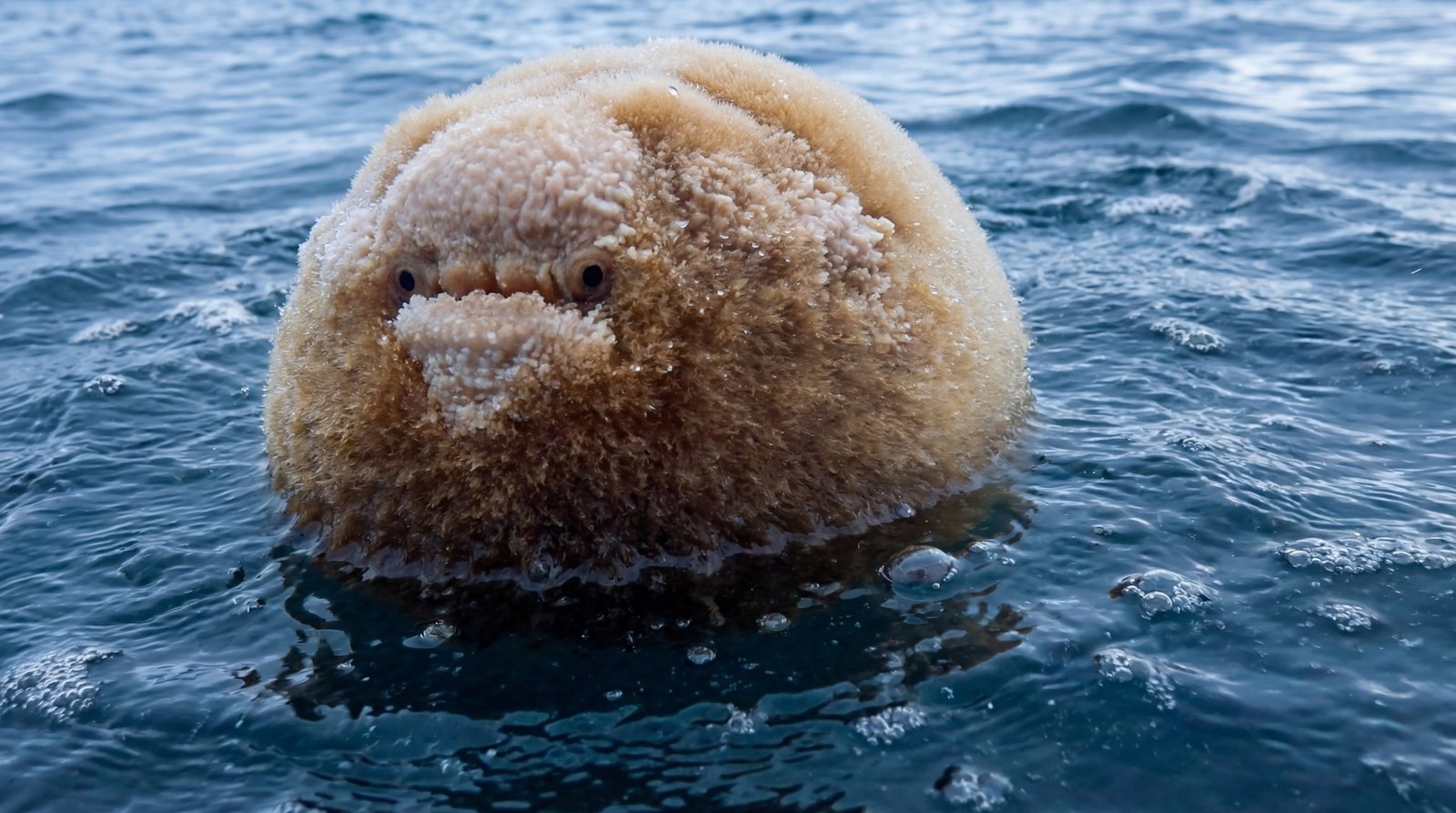
Single Malt Sea Haggis
Scientific name: Haggi maritimus singlemaltensis
A rare coastal variety renowned for its close association with Scotland's island distilleries and sea-swept shorelines.
When to See
Most commonly sighted during the autumn and winter months, particularly around coastal distilleries and sheltered sea lochs. Sightings remain infrequent due to its elusive nature and preference for remote habitats.
About
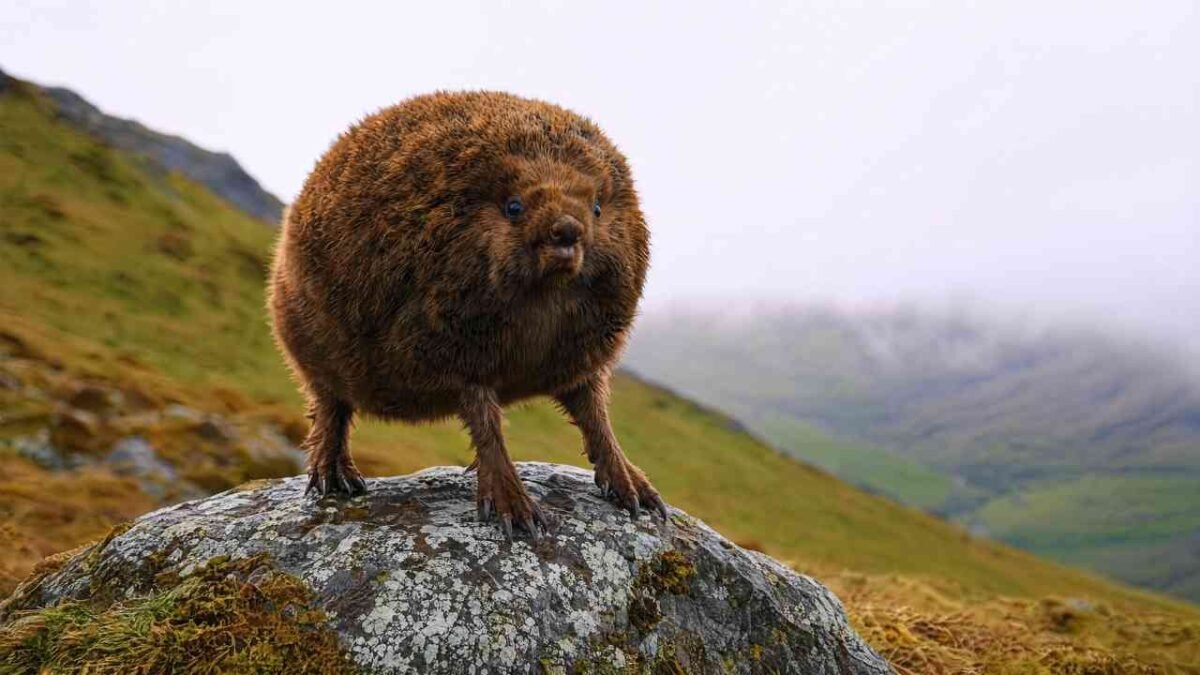
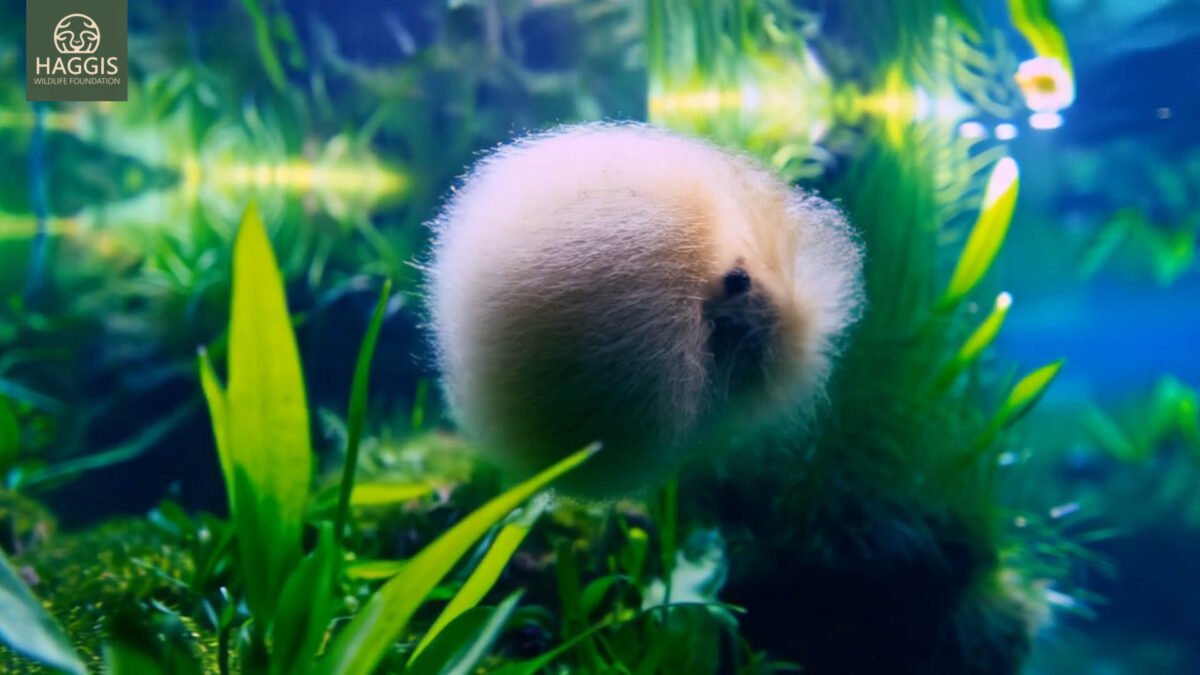
The Single Malt Sea Haggis is one of Scotland's most distinctive and celebrated haggis varieties. Found along rugged coastlines and island shores, it has adapted to a maritime existence, spending much of its time foraging among kelp forests, rocky inlets, and tidal pools. Its dense, salt-resistant fur protects it from harsh Atlantic weather, while its powerful, uneven legs allow it to navigate steep coastal terrain with remarkable agility.
Unlike many other haggis species, the Single Malt Sea Haggis is closely linked to Scotland's whisky-producing regions. Local folklore suggests that the creature is attracted to the aroma of ageing single malt whisky carried on the sea breeze from nearby warehouses. Whether fact or legend, the species has become an enduring symbol of Scotland's coastal heritage, where natural landscapes, wildlife, and traditional craftsmanship meet.
Why the Single Malt Sea Haggis is Important
The Single Malt Sea Haggis plays a vital role in maintaining the delicate balance of coastal ecosystems. By grazing on seaweed, algae, and shoreline vegetation, it helps prevent excessive growth that can disrupt tidal habitats. Its movements also aid in the dispersal of coastal plant species, supporting biodiversity along Scotland's shores.
Beyond its ecological significance, the Single Malt Sea Haggis has become an important cultural icon. It represents the deep connection between Scotland's natural environment and its world-famous whisky traditions. For many coastal communities, the species is regarded as a living emblem of local identity, attracting wildlife enthusiasts, folklore researchers, and visitors interested in Scotland's unique natural heritage.
How to Identify
Coastal Lifestyle and Adaptations
The Haggi maritimus singlemaltensis has evolved specifically for life along Scotland's exposed coastlines. Equally comfortable on rocky shores and grassy headlands, it can withstand strong winds, salt spray, and rapidly changing weather conditions. Its compact body shape conserves heat, while its broad feet provide stability on slippery rocks and seaweed-covered surfaces.
Fur Characteristics and Weather Resistance
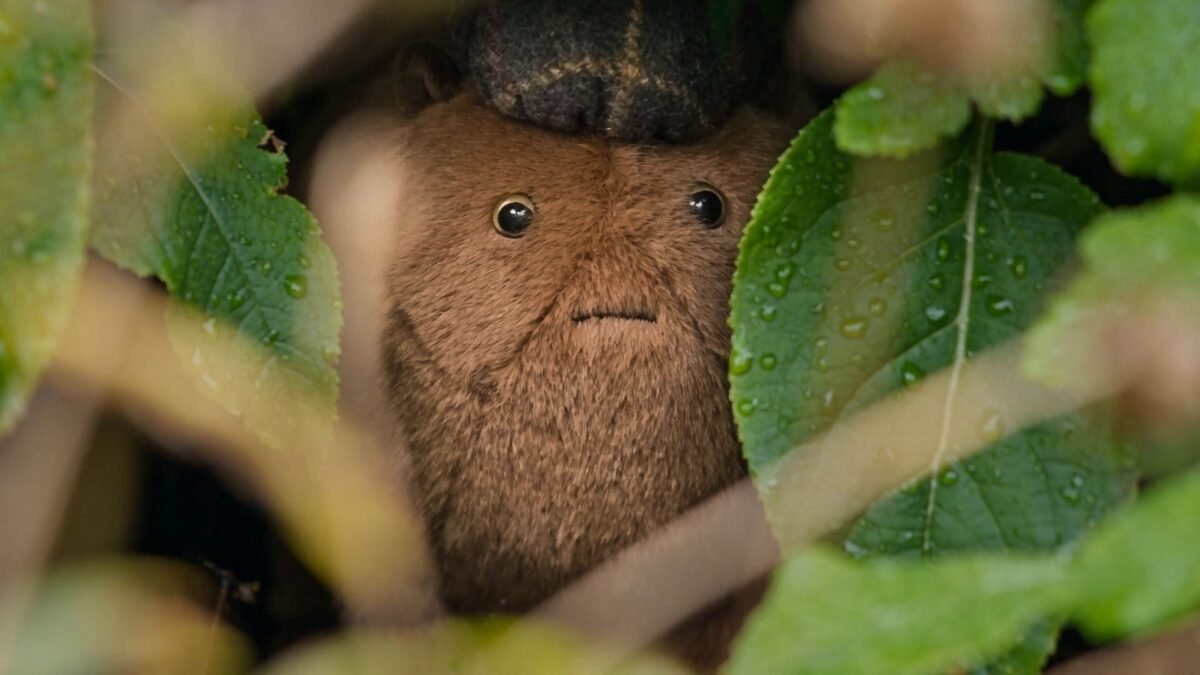
One of the species' most recognisable features is its thick, golden-brown fur, often tinged with silvery highlights from dried sea salt. This dense coat provides insulation against cold sea temperatures and sheds water efficiently after exposure to rain or surf. During winter, the fur becomes even thicker, giving the animal its distinctive rounded appearance.
Dietary Habits and Preferences
The Single Malt Sea Haggis feeds primarily on kelp, sea lettuce, coastal grasses, and nutrient-rich algae found along the shoreline. It is also known to supplement its diet with wild berries and maritime herbs growing near cliff edges. This varied diet contributes to its robust health and enables it to thrive in environments where food availability can change with the tides and seasons.
Behaviour and Environmental Interaction
Highly attuned to tidal rhythms, the Single Malt Sea Haggis times much of its feeding activity around low tide, when fresh seaweed beds are exposed. It is an accomplished navigator, capable of traversing complex coastal landscapes while avoiding predators and harsh weather. Its presence is often considered an indicator of a healthy coastal ecosystem, reflecting the quality and biodiversity of the habitat it occupies.
The Single Malt Sea Haggis remains one of Scotland's most fascinating and enigmatic creatures, embodying the resilience, character, and maritime spirit of the nation's wild coastlines.