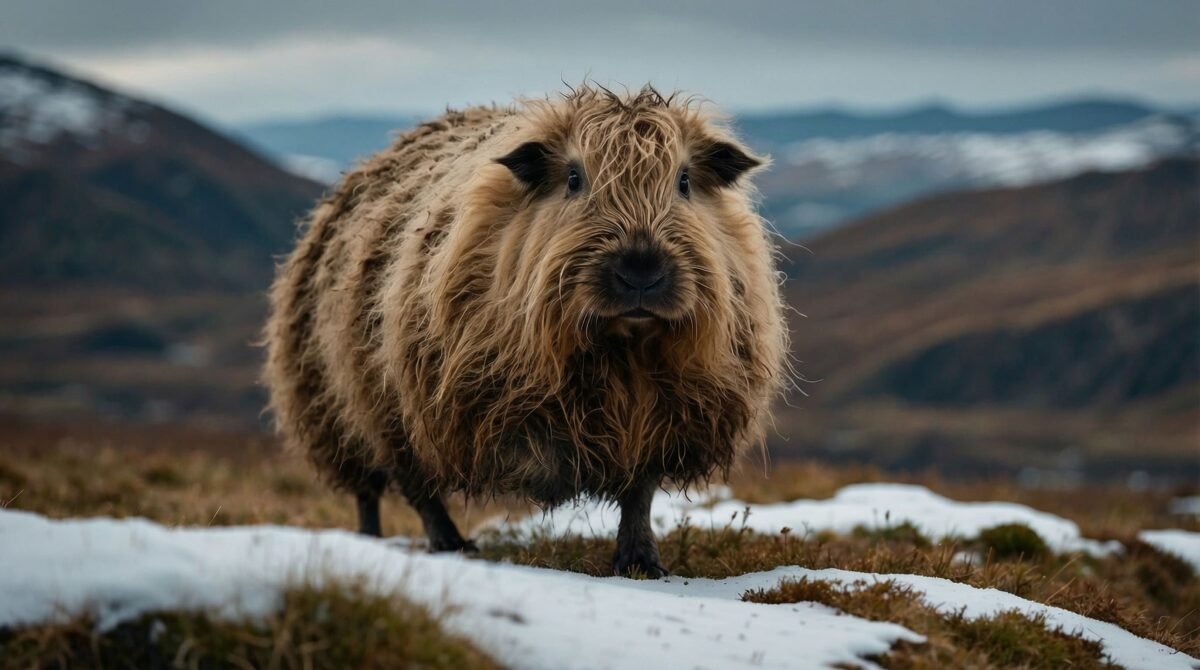

Haggis Wildlife Foundation — Field Records & Species Archive
The Wild Haggis Species of Scotland
Scotland is a country of extremes. Its mountains, the islands off its edges, the glens, even the cities, have all, in their own ways, produced a version of the wild haggis. This is the official record of them all, or anyway as complete as it’s ever likely to be.
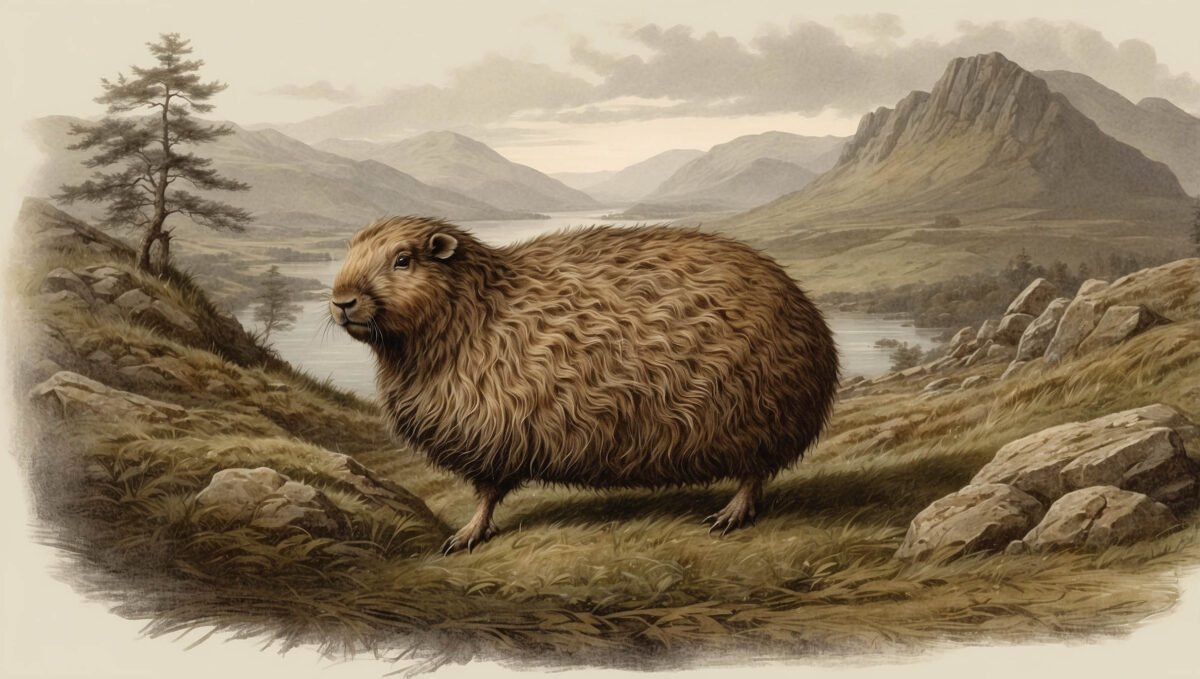
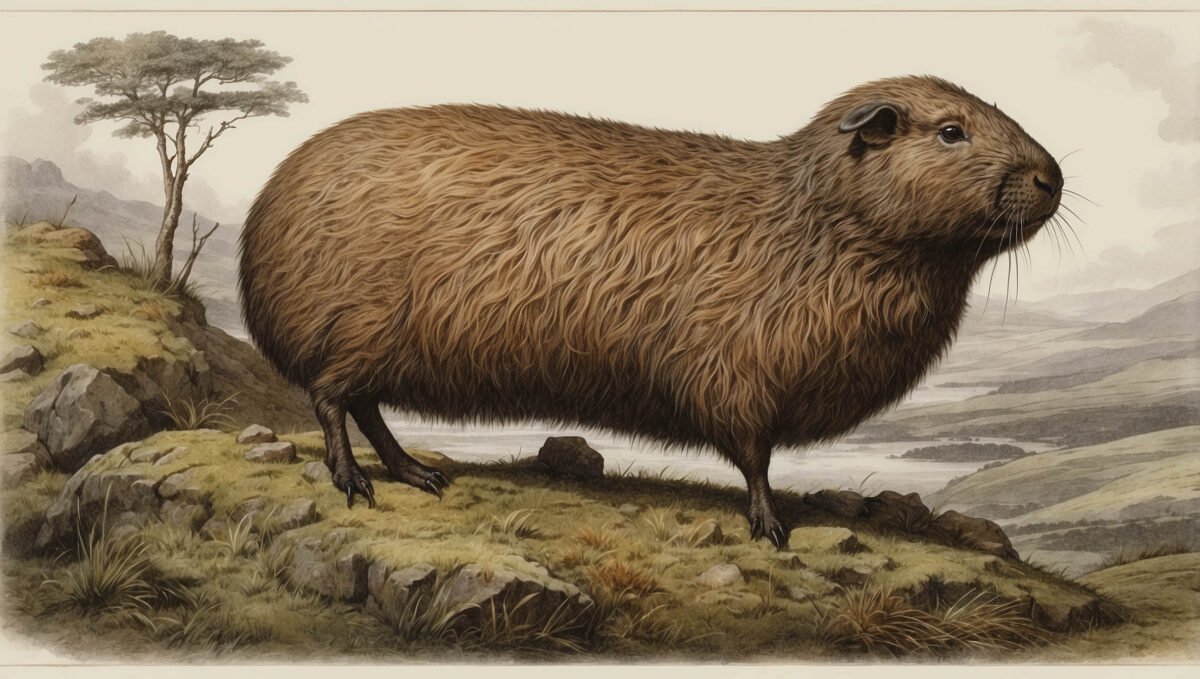
- Taxonomic OverviewHaggis scottii sinistrous forms a complementary counterpart to its clockwise relative. It occupies similar Highland regions, though it favours […]
- Taxonomic OverviewHaggis scottii dexterous belongs to a speculative genus shaped by steep Highland terrain. It shows clear lateral asymmetry and […]
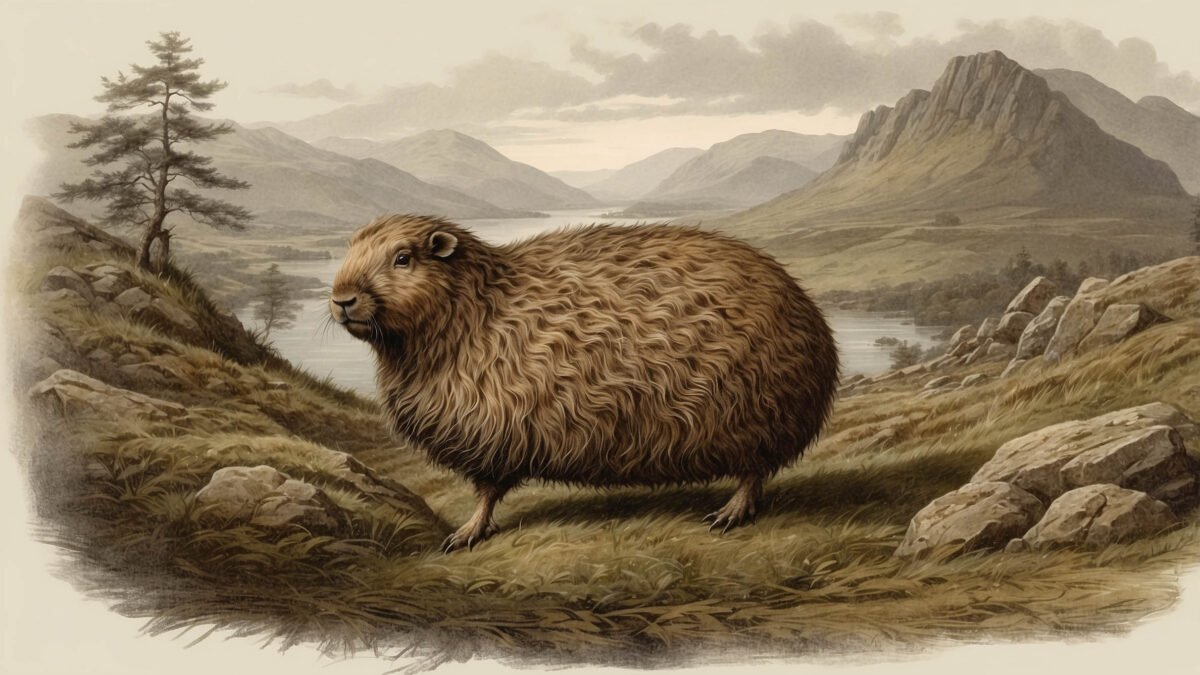
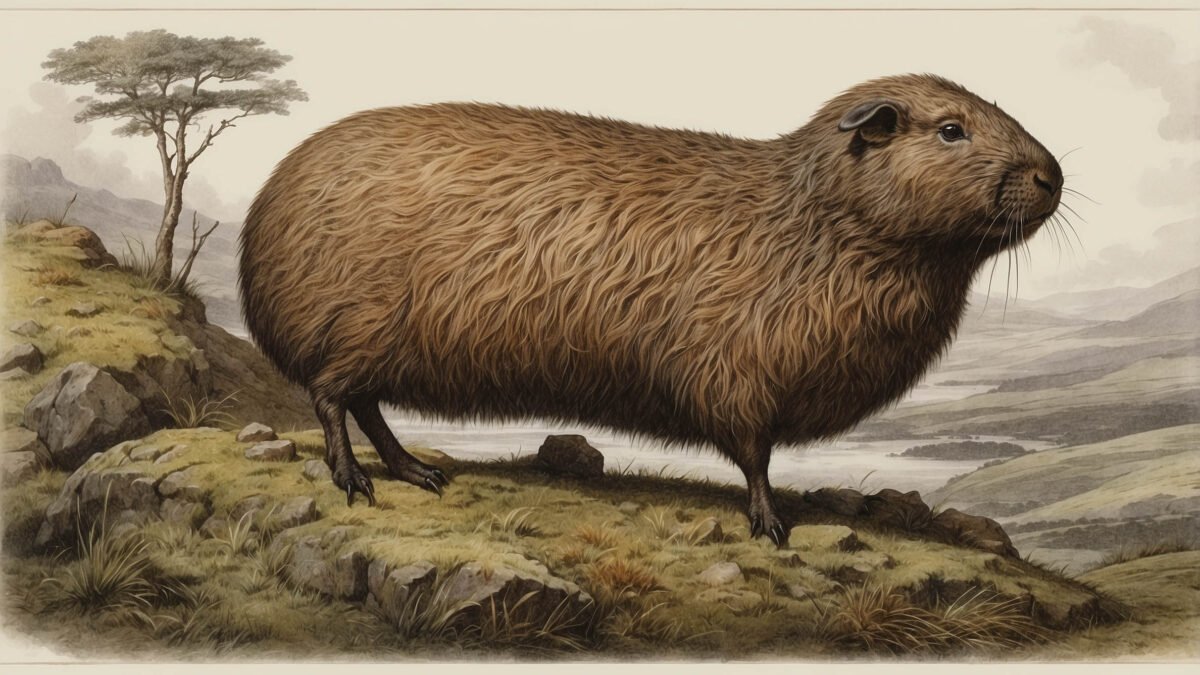
Subspecies
- YOUR FIRST HAGGIS The Common Garden Haggis. Every haggis spotter needs somewhere to begin. For many, the search starts just […]
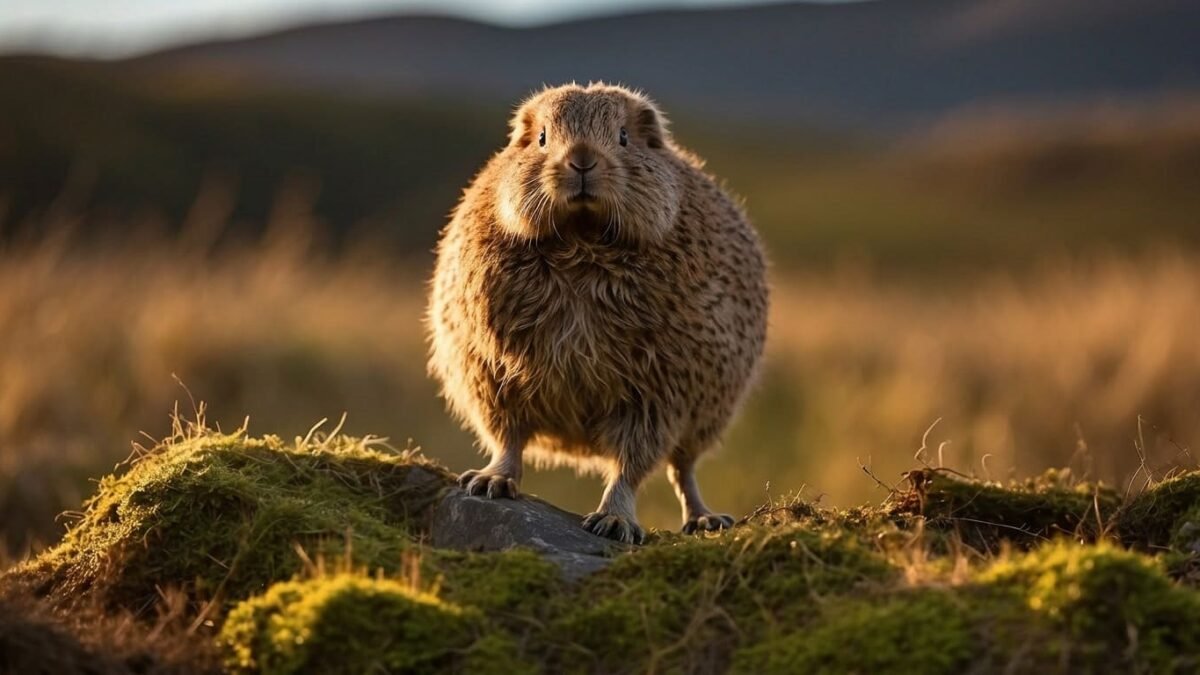
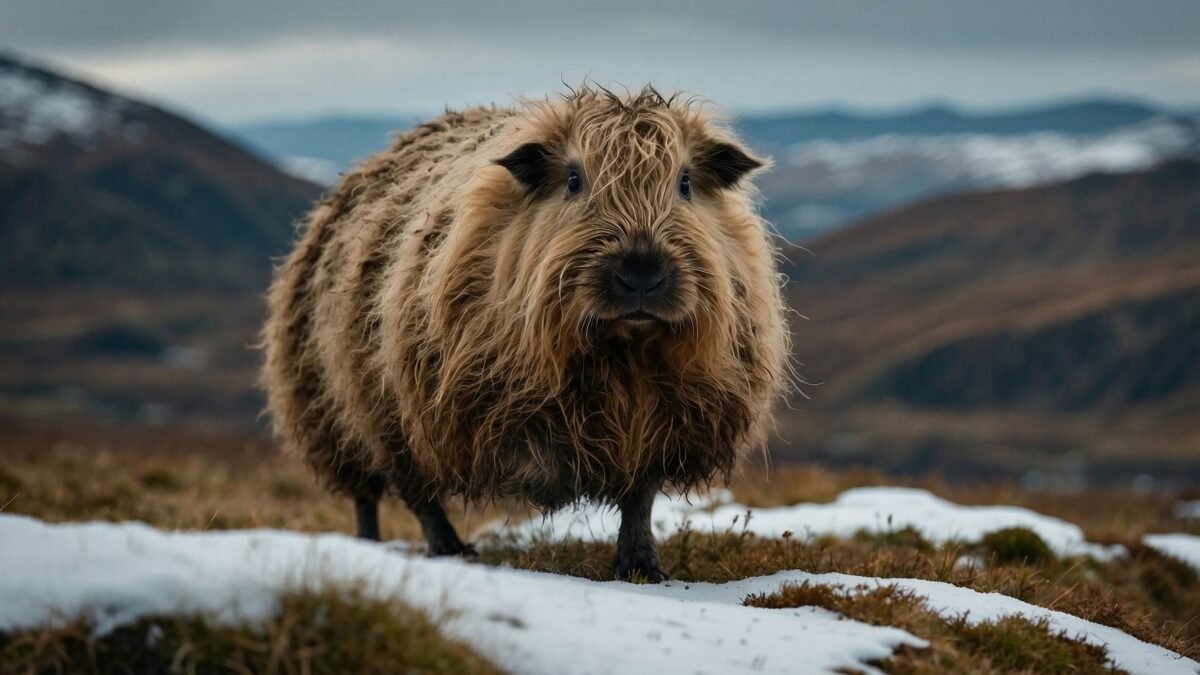
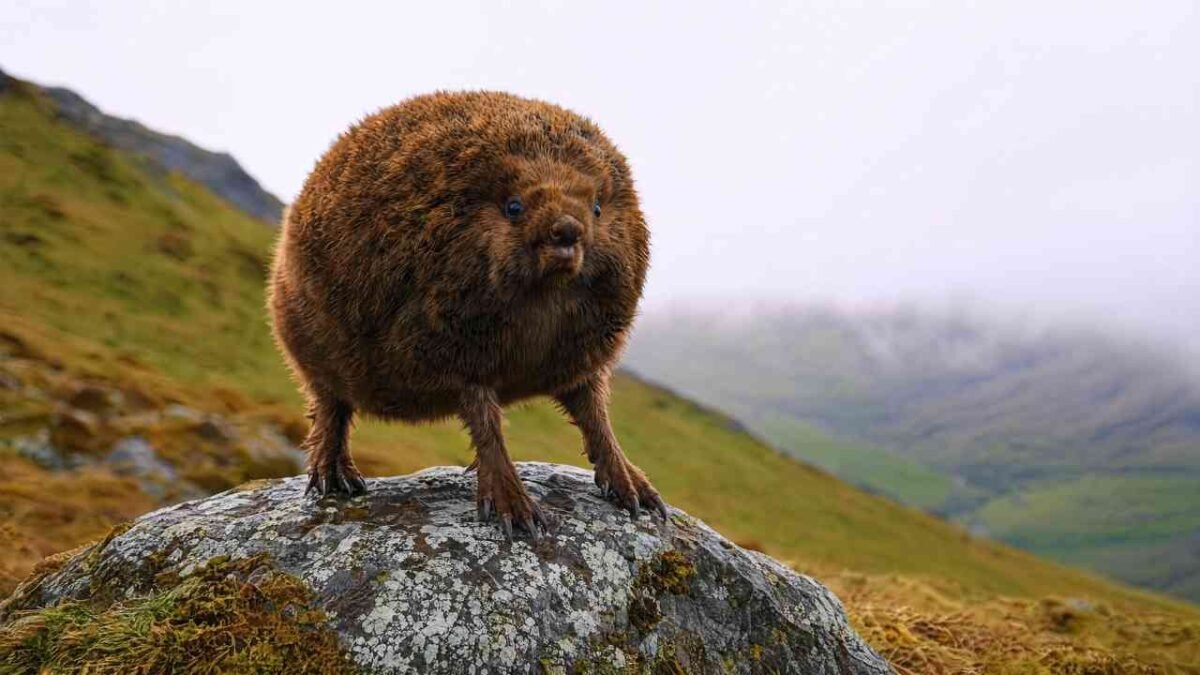
- Mountain Haggis Haggis scoticus montanus The mountain haggis is Scotland’s most famous and most frequently searched-for haggis. Found high among […]
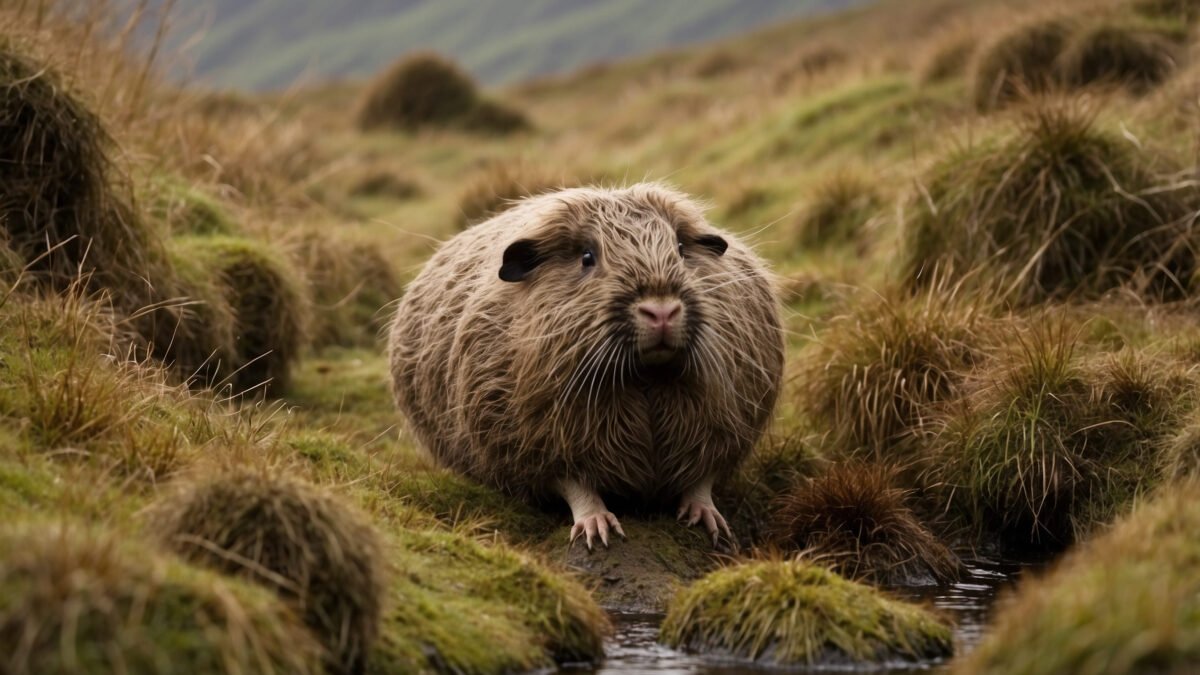
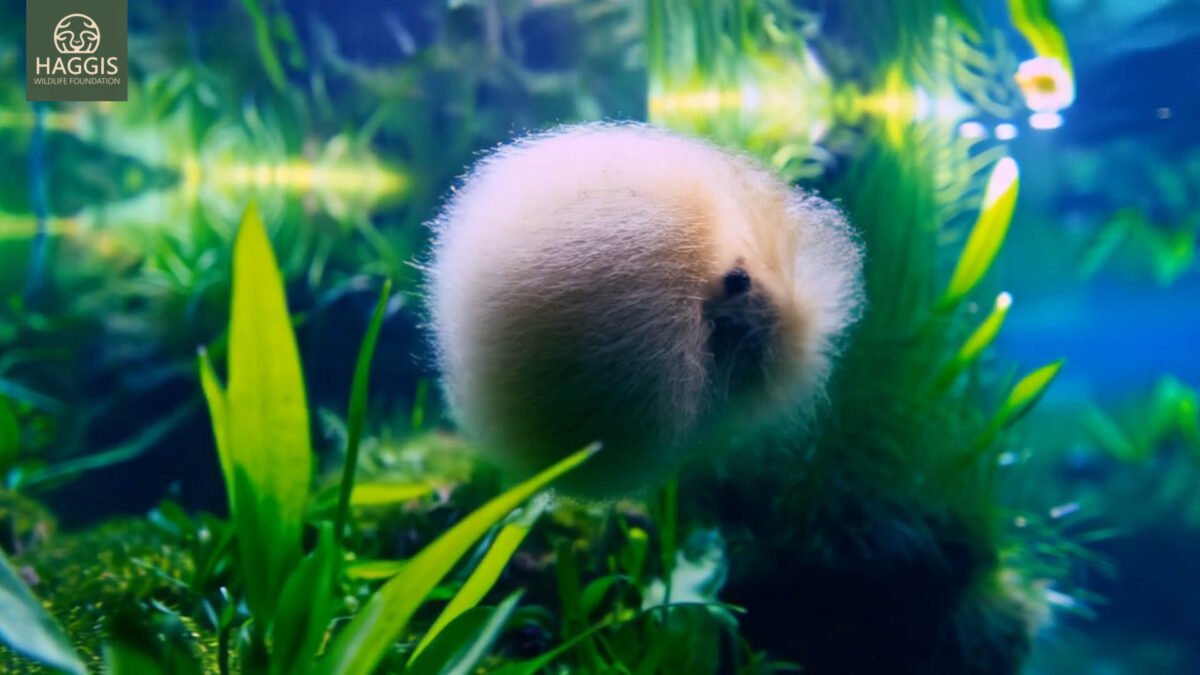
- The Hagg-Pools Haggis scoticus litoralis Hagg-pool haggis are easiest to spot on calm mornings along the edge of Scottish lochs. […]
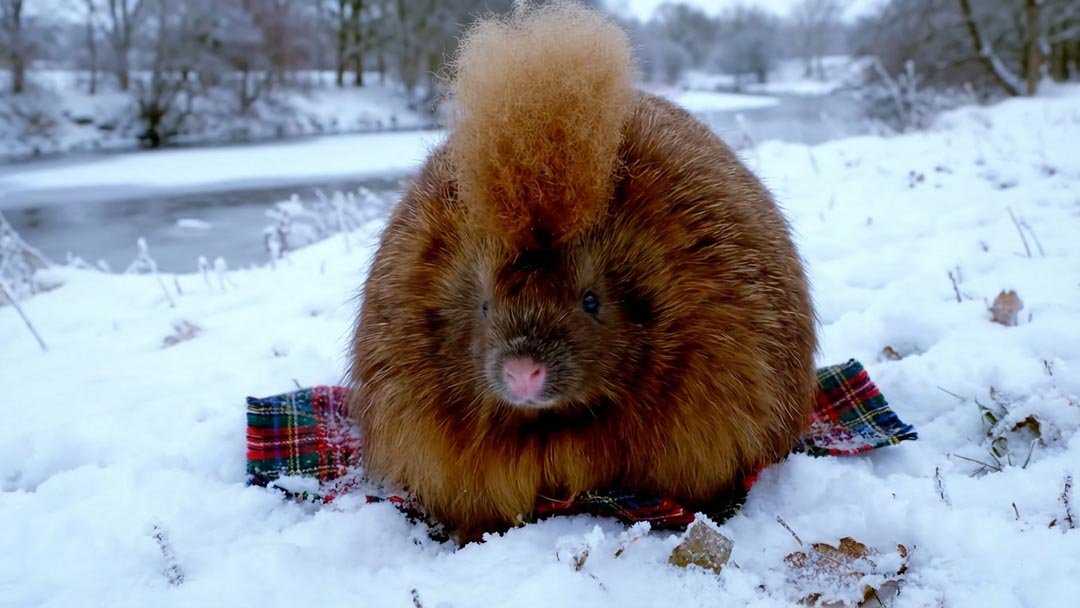
- Highland Mohawk HaggisScientific name: Haggi montanus cristaaltaA bold and unmistakable Highland variety famous for its towering crest of fur, known […]
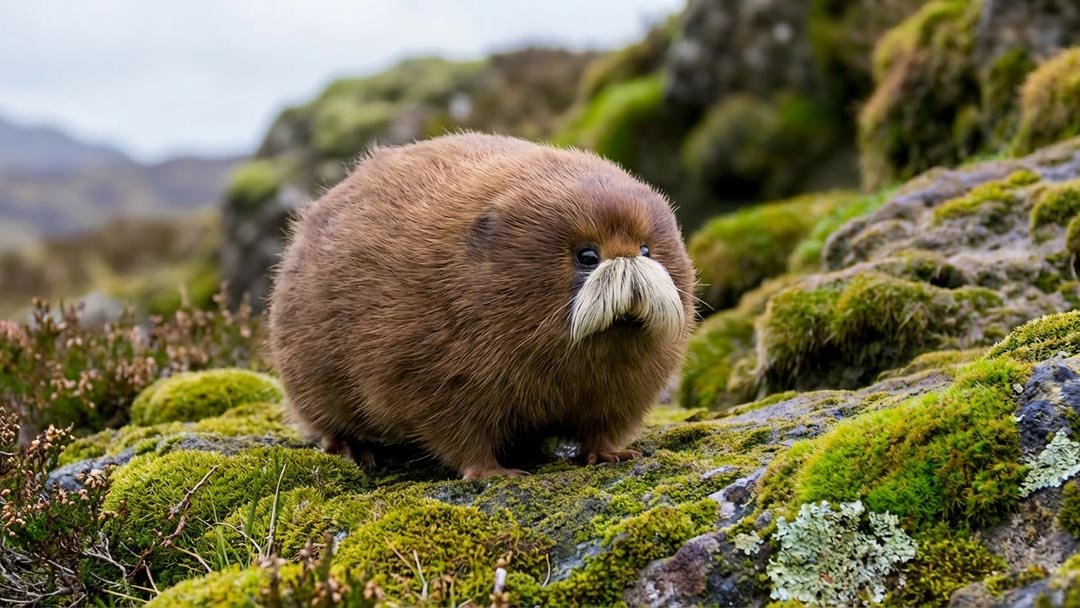
- Stirling White Tash HaggisScientific name: Haggi stirlingensis albamystaciaA distinctive Highland variety instantly recognised by its striking white moustache and remarkably […]
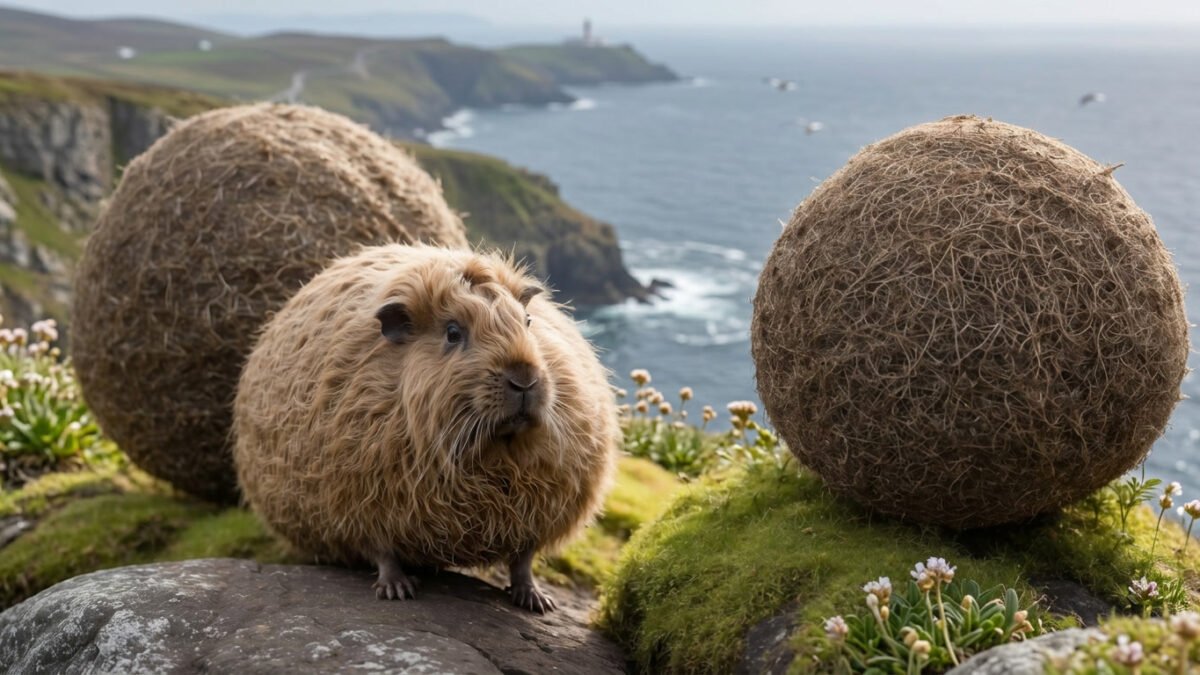
- Single Malt Sea HaggisScientific name: Haggi maritimus singlemaltensisA rare coastal variety renowned for its close association with Scotland’s island distilleries […]
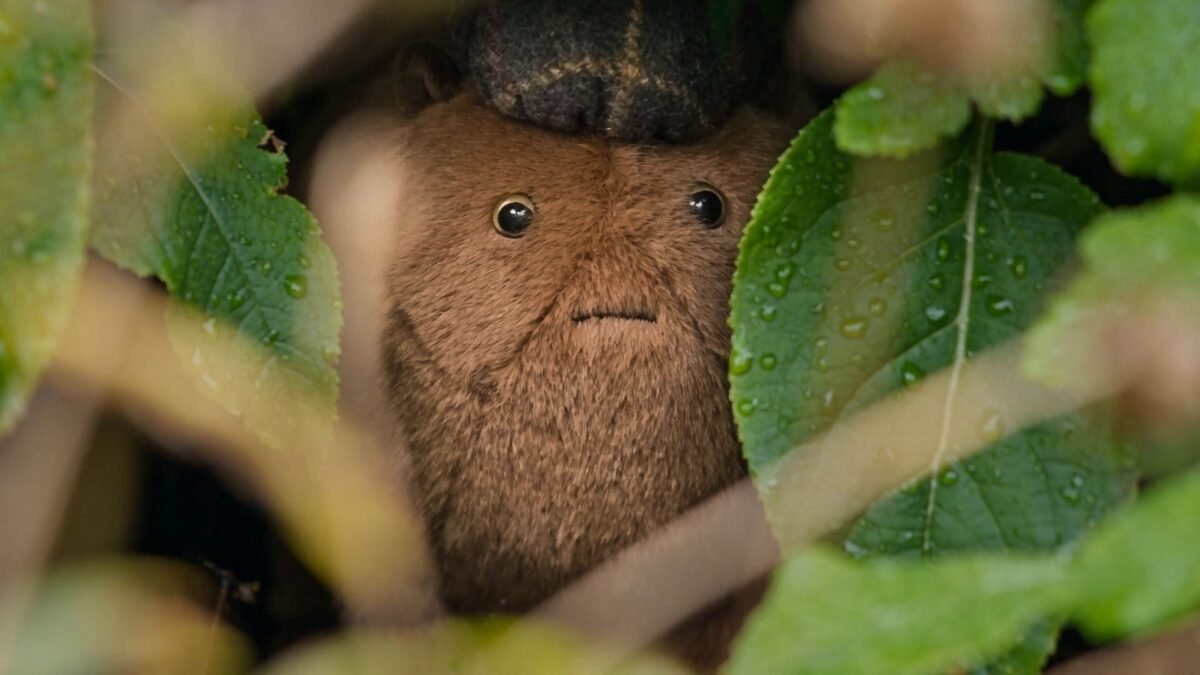
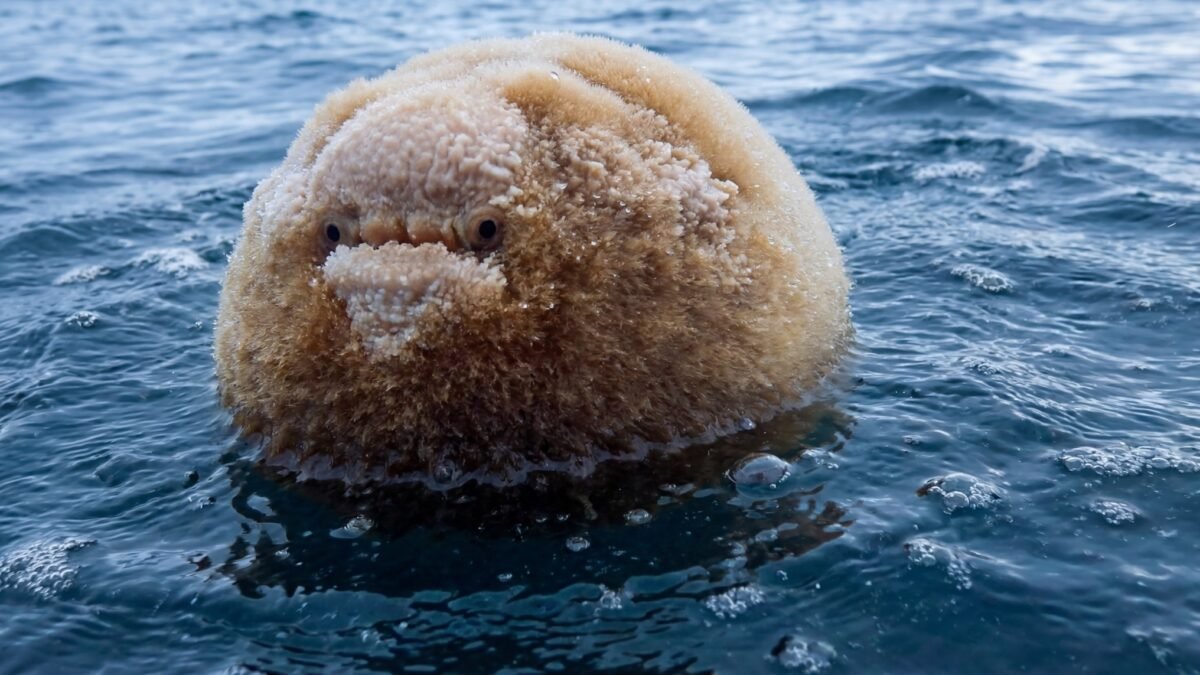
Main types
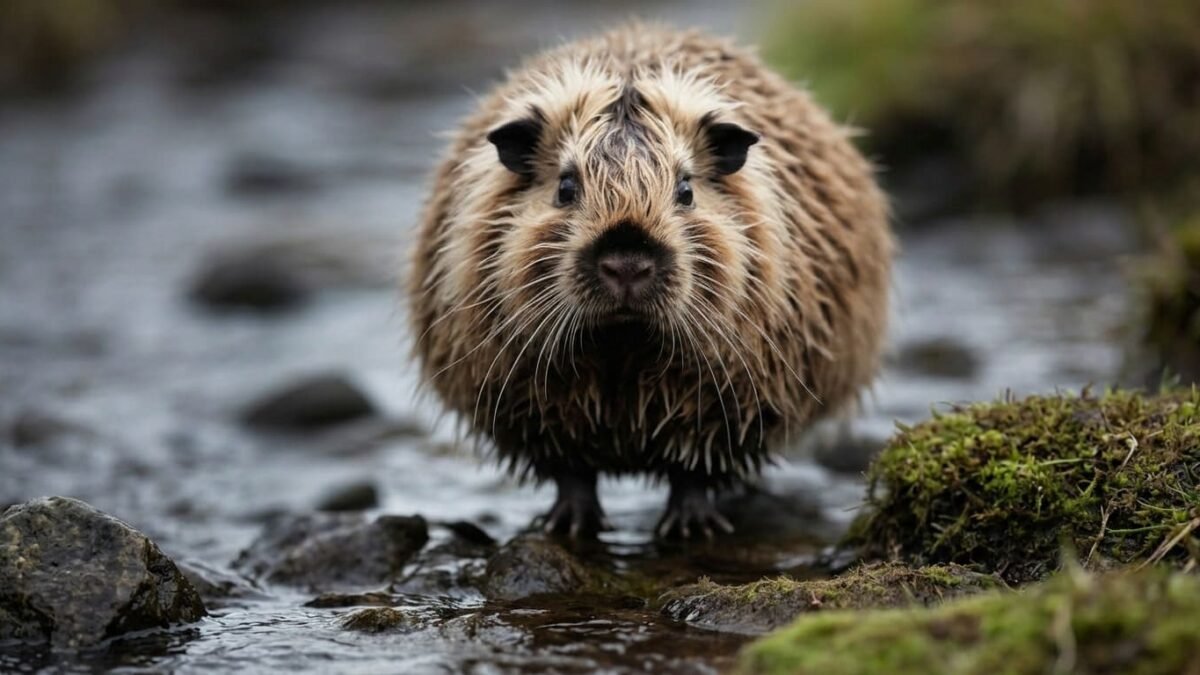
- The Haggi peninsulensis coastus Living close to many freshwater sources, this variety has developed a semi-aquatic lifestyle. Its fur is sleeker, […]
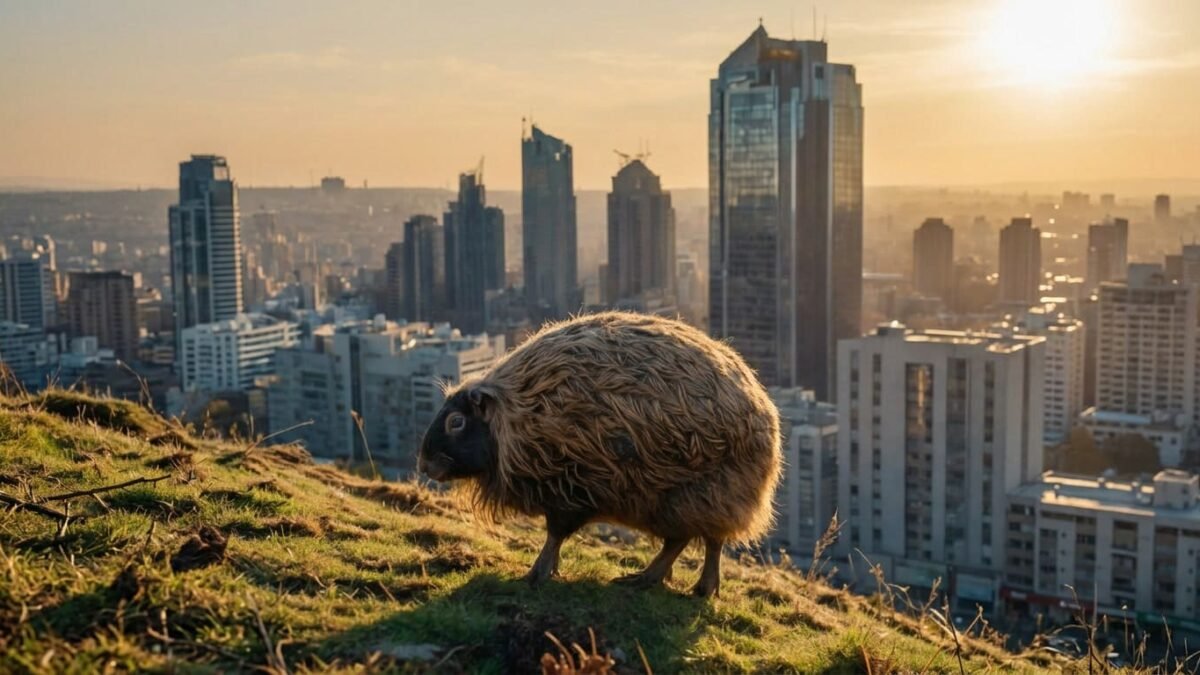
- Edinburgh and Glasogow Haggi urbanus Having adapted to more urban environments, the urbanus has a more nocturnal behavior to avoid human […]
- The Haggi fertileterra shroomus, native to the lush and vibrant landscapes of Fife, is a remarkable species that has intricately […]
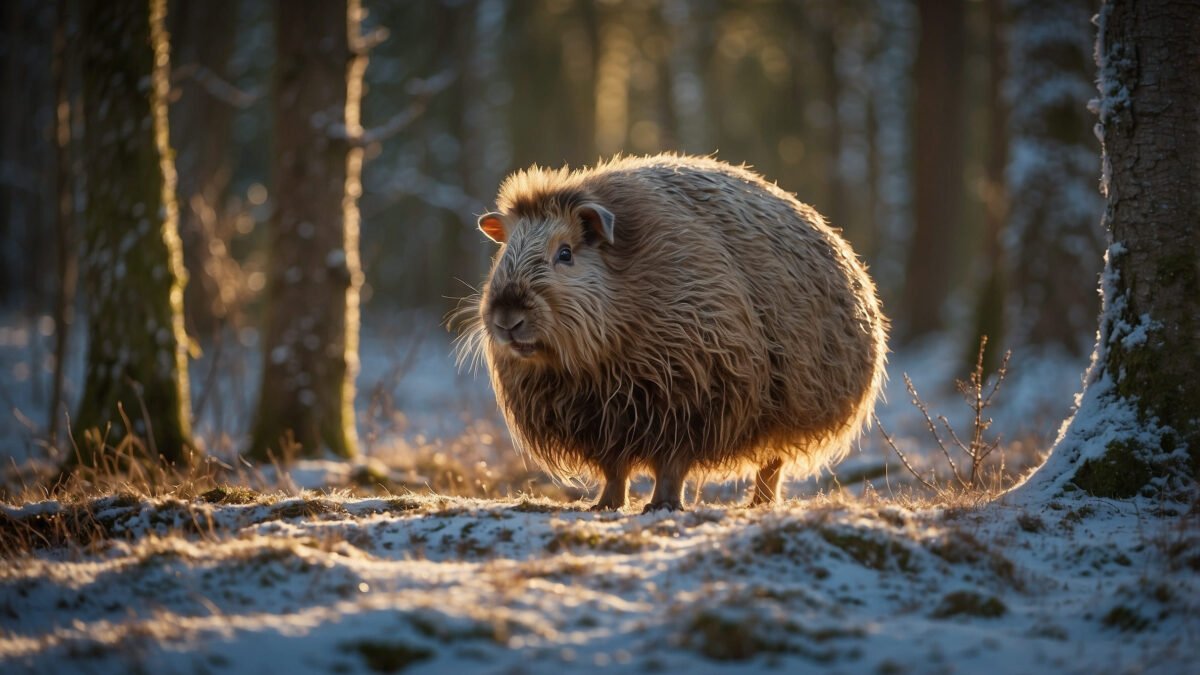
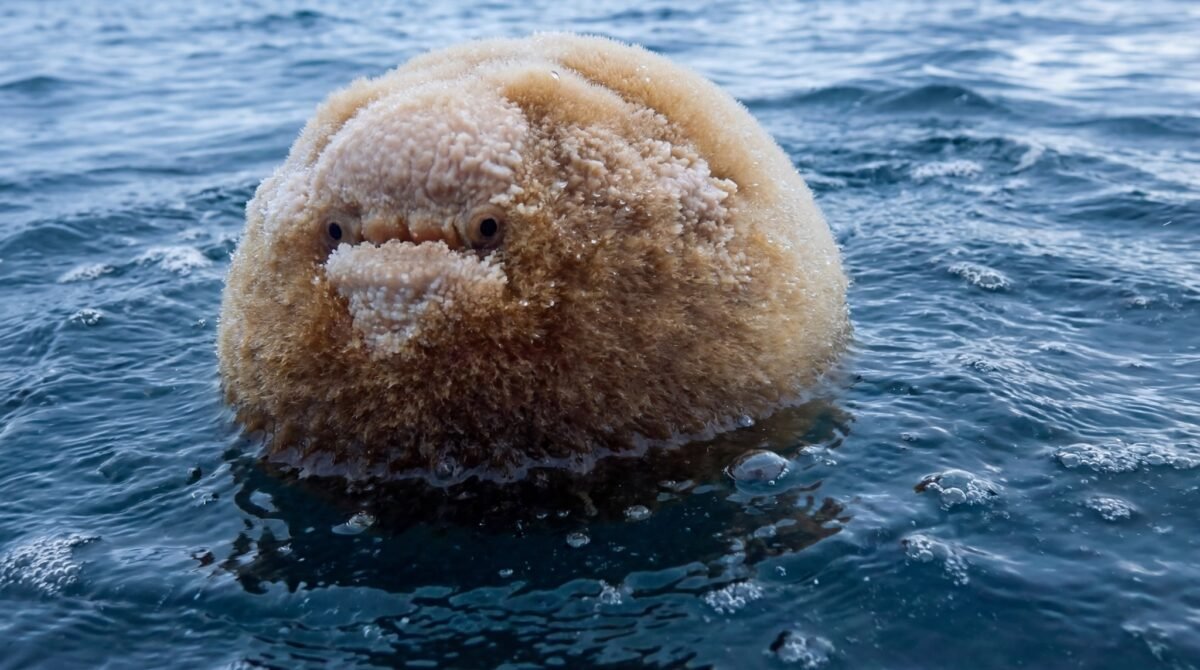
- The Haggi maritimus coldus is a captivating species, native to the unpredictable and harsh conditions of the Western Isles, also […]
- The Haggi selkirkensis, colloquially known as the Borders Haggis or Selkirk Black, is a species marvelously adapted to the distinctive […]
- The Haggi silvicola facti sunt invisibilia, Indigenous to the lush and densely vegetated Grampian region, the Haggi silvicola facti sunt invisibilia […]
- The Haggi insularensis aquam puteum, a unique subspecies of the Haggis family, has evolved a series of remarkable adaptations to […]
- The Haggi Planitia farmus gramina, pratum Residing in the sprawling expanses of the Lowlands, the Haggi Planitia farmus gramina, pratum has […]
- The Haggi montanensis lostusmontibus excelsis, a remarkable species indigenous to the Highlands, is distinguished by its impressive adaptations to thrive […]