

Species Information
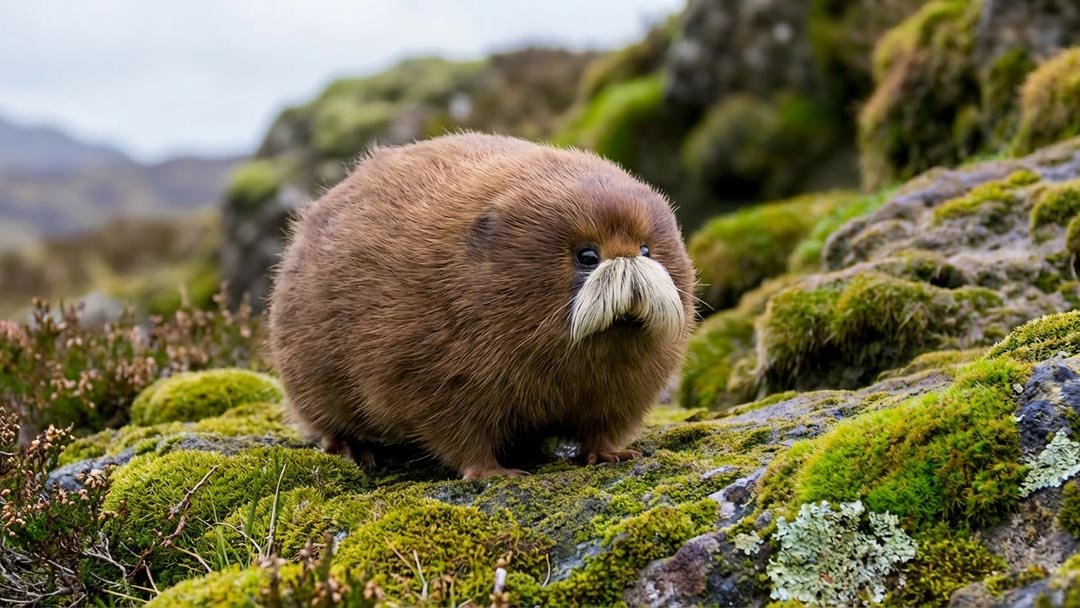
Stirling White Tash Haggis
Scientific name: Haggi stirlingensis albamystacia
A distinctive Highland variety instantly recognised by its striking white moustache and remarkably dignified appearance.
About
The Stirling White Tash Haggis is among the most distinguished of all Scottish haggis varieties. Native to the rolling hills and craggy outcrops surrounding Stirling, it is best known for the prominent white moustache that adorns its face. This unique feature has made it one of the most recognisable and photographed haggis subspecies in Scotland.
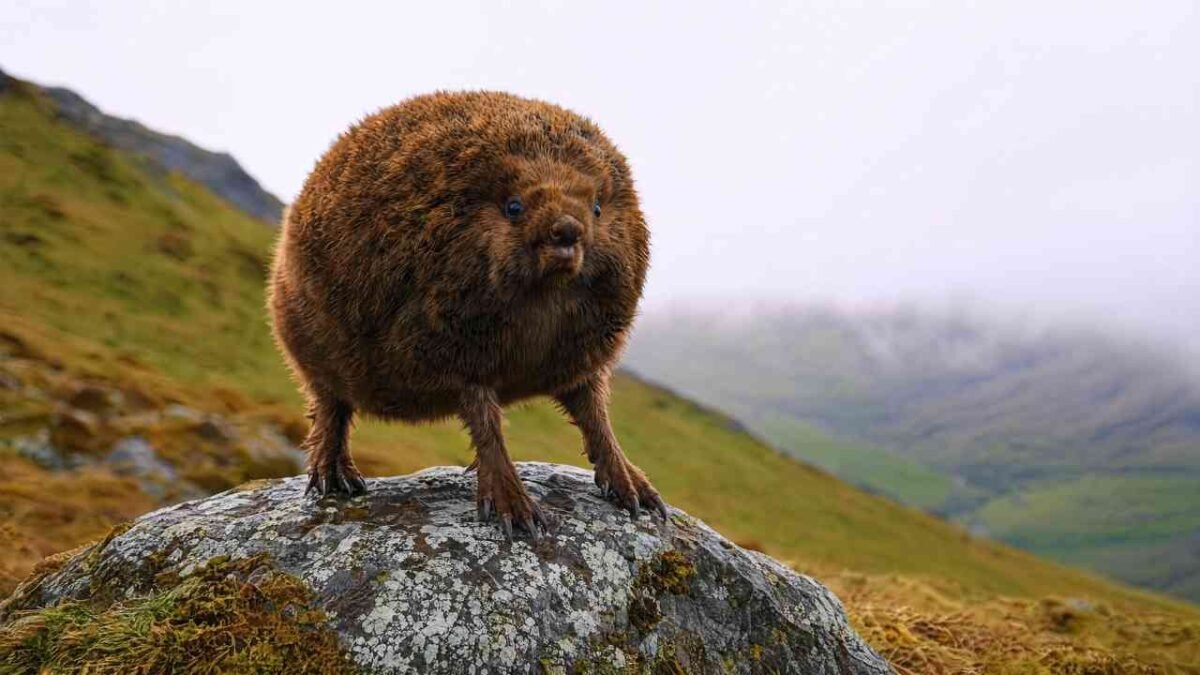
Despite its charming appearance, the Stirling White Tash Haggis is a hardy and adaptable creature. It inhabits exposed upland environments where strong winds and unpredictable weather are common. Its thick, rounded coat provides excellent insulation, while its compact body allows it to conserve energy during the colder months.
Local folklore claims that the length and fullness of a White Tash Haggis's moustache can predict the severity of the coming winter. While there is no scientific evidence to support this belief, the tradition remains popular among residents and visitors alike.
Why the Stirling White Tash Haggis is Important
The Stirling White Tash Haggis plays an important role in maintaining healthy upland ecosystems. As it grazes on mosses, grasses, and low-growing vegetation, it helps prevent overgrowth and encourages habitat diversity. Its burrowing and foraging activities also assist in soil aeration and seed dispersal, supporting the regeneration of native plant species.
Culturally, the Stirling White Tash Haggis has become a symbol of the region's character and heritage. Its distinctive appearance has inspired countless local stories, artworks, and legends. The species is often regarded as a living emblem of Stirling's rugged landscapes and enduring traditions.
How to Identify
The Famous White Moustache
The defining feature of Haggi stirlingensis albamystacia is its magnificent white moustache, which grows from either side of the snout. This feature becomes more pronounced with age and is believed to assist in detecting subtle changes in wind direction and humidity. Mature individuals often possess moustaches extending several centimetres beyond the width of the face.
Fur Characteristics and Colouration
The Stirling White Tash Haggis possesses a dense chestnut-brown coat that contrasts sharply with its bright white facial whiskers. The fur is exceptionally soft and provides protection from the harsh conditions often encountered on exposed hillsides and rocky moorland.
Dietary Habits and Preferences
This variety feeds primarily on upland mosses, heather shoots, lichens, and native grasses. During the colder months it supplements its diet with roots and hardy vegetation uncovered beneath snow or frost. Its varied diet allows it to thrive in environments where food sources can be limited.
Behaviour and Environmental Interaction
Generally solitary in nature, the Stirling White Tash Haggis is known for its cautious but curious behaviour. It frequently pauses on elevated rocks to survey its surroundings, using its keen eyesight and sensitive moustache to detect approaching weather changes and potential threats. Its ability to navigate steep, uneven terrain makes it particularly well suited to the dramatic landscapes of central Scotland.
The Stirling White Tash Haggis remains one of Scotland's most iconic haggis varieties, celebrated for its unmistakable white moustache, resilient nature, and enduring place in the folklore and natural heritage of the Stirling region.