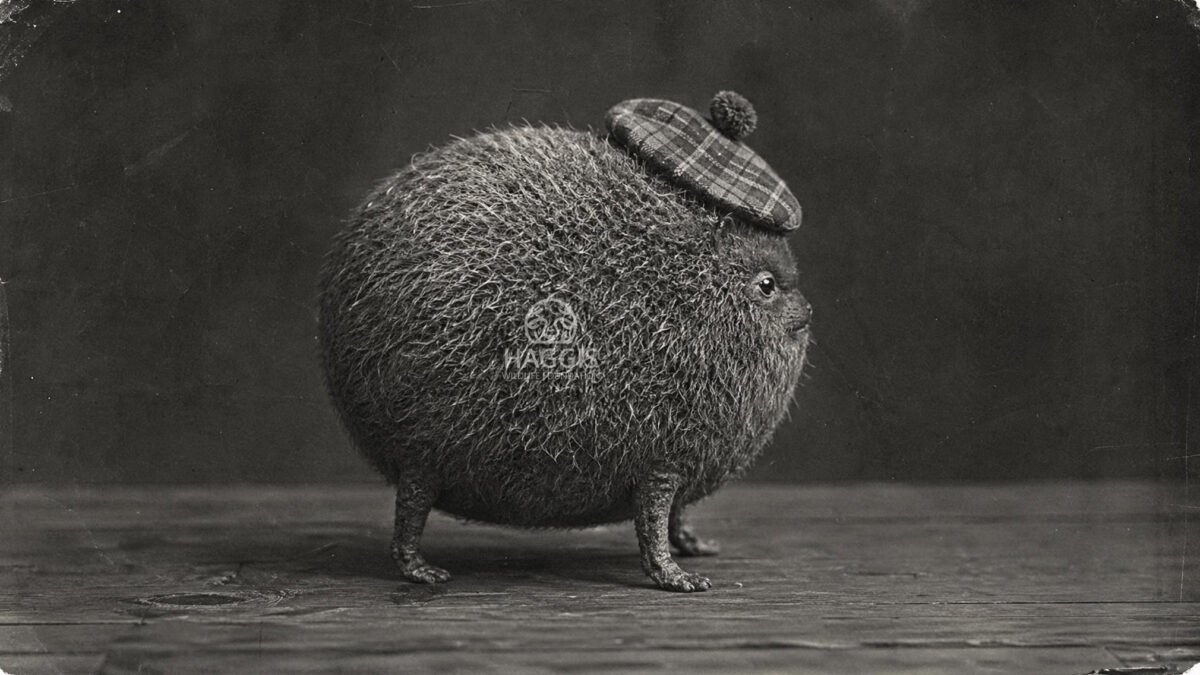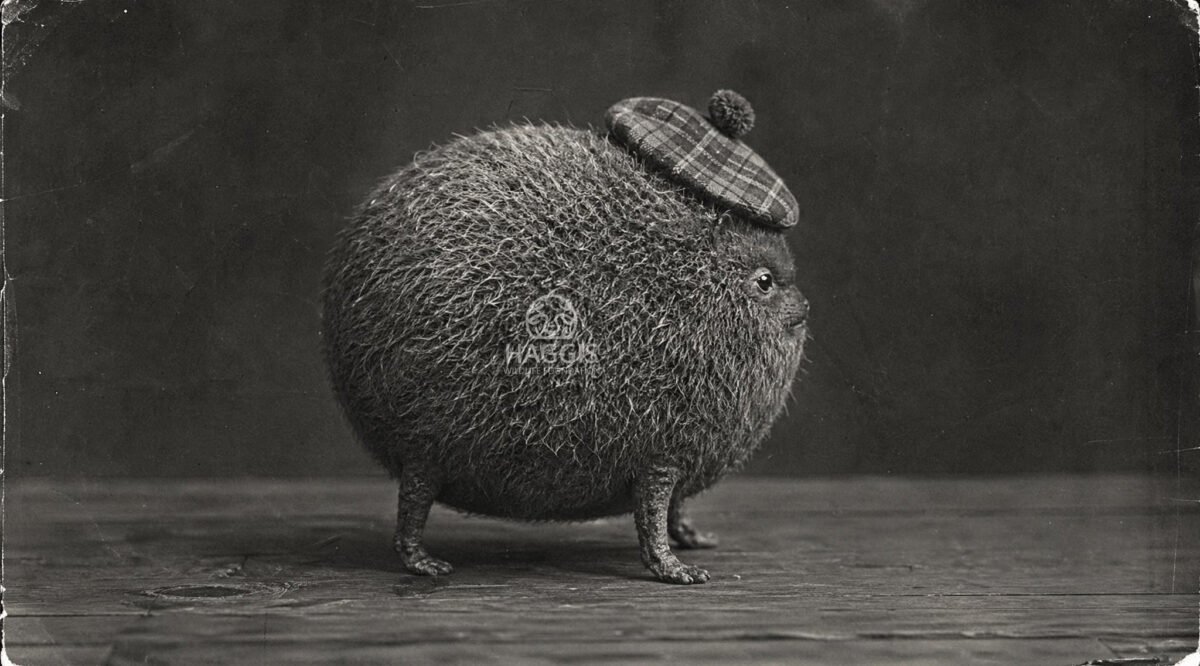


The Round Woodland Haggis
April 28, 2026
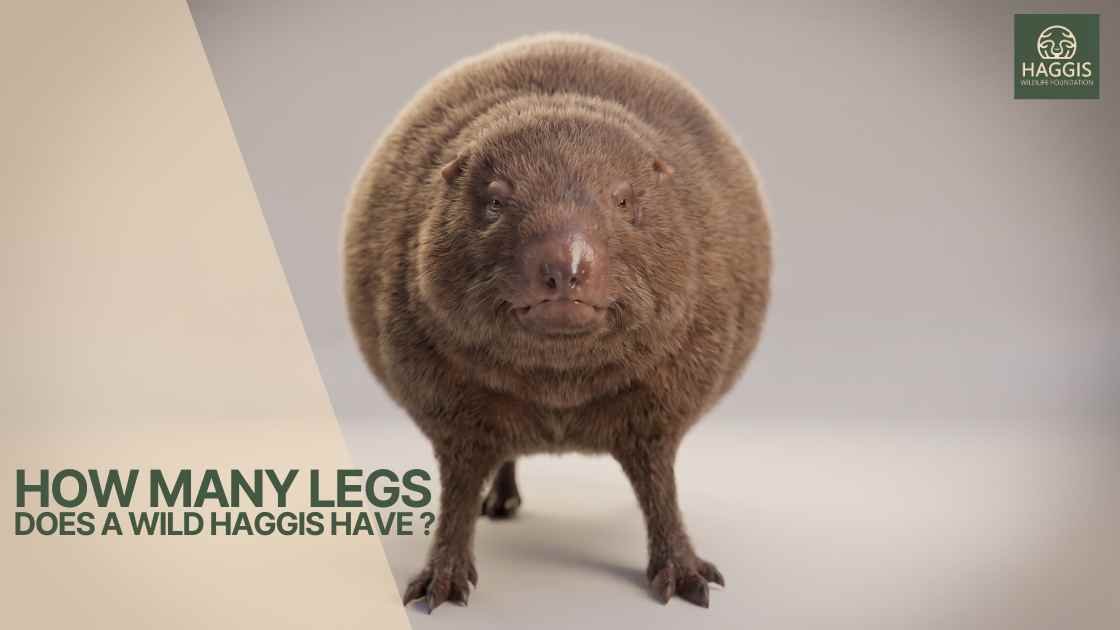
How Many Legs Does a Wild Haggis Have ?
July 9, 2026
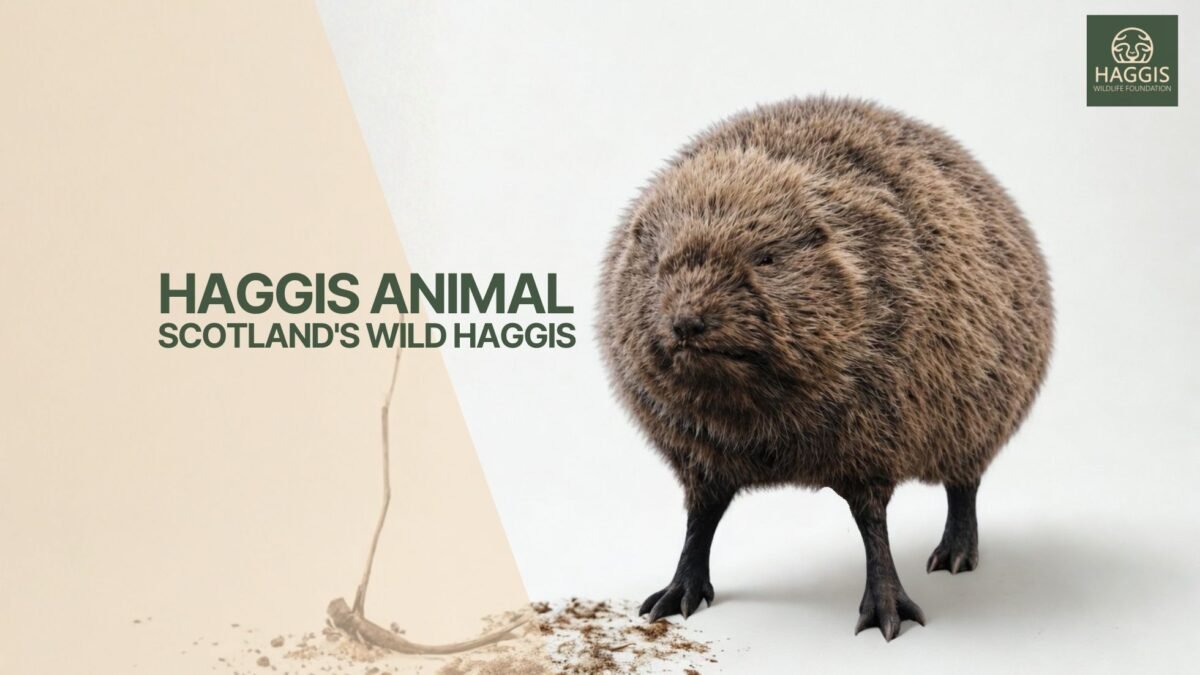
Haggis Animal: Scotland’s Legendary Wild Creature
If you’ve searched for “haggis animal”, you’ve discovered one of Scotland’s oldest and most enduring legends.
For centuries, Scots have shared stories of a small wild creature said to roam the country’s mountains, glens and moorlands. Known simply as the wild haggis, it has become one of Scotland’s most famous pieces of folklore, passed from one generation to the next through stories, traditions and family memories.
Whether you’ve arrived here wondering if the haggis is real, researching Scottish folklore, or simply looking for the famous haggis animal, welcome to the Haggis Wildlife Foundation.
A Note on the Wild Haggis
The wild haggis (Haggis scoticus) occupies a unique place in Scottish folklore.
Unlike most wildlife, the haggis exists somewhere between history, tradition and legend. No verified scientific specimen has ever been presented to the wider scientific community, yet stories of wild haggis have been told throughout Scotland for hundreds of years.
Ask ten Scots about the haggis and you’ll likely hear ten slightly different stories. That has always been part of its charm.
This guide explores the traditional Scottish beliefs surrounding the haggis, its regional varieties, and the folklore that has made it one of Scotland’s best-loved animals.
Whether the haggis is an undiscovered species or simply Scotland’s greatest story is left entirely to the reader.
We merely report the evidence.
What Is the Haggis Animal?
According to Scottish folklore, the haggis is a small wild mammal found only in Scotland.
Traditional belief recognises two main forms of the species.
The oldest is the Ancient Highland Haggis, famous for its three legs, perfectly adapted for running around Scotland’s steep mountainsides.
The second is the Lowland Haggis, believed to have appeared much later as haggis gradually spread into flatter landscapes. Without the constant challenge of steep hillsides, these later subspecies are said to have developed four legs, allowing them to move more easily across forests, farmland and rolling countryside.
Whether three-legged or four-legged, every haggis is described as a shy, round-bodied creature with an uncanny ability to disappear just before anyone reaches for a camera.
For many Scots, the haggis has never needed proving.
It has simply always belonged here.
A Creature Scotland Has Always Known
Long before wildlife documentaries, cameras or field guides, there was the haggis.
People knew it in the same quiet way they knew the weather, the shape of a familiar hill or the sound of curlews across the moor.
Grandparents pointed them out to children.
Crofters learned to leave them undisturbed.
Families carried stories wherever they settled, taking the legend across oceans and passing it from one generation to the next.
Even today, mention the wild haggis almost anywhere Scots gather and someone will have a story to tell.
“Ask a Scot where they are from, and if you know how to listen, they’ll tell you which haggis they grew up with.”
The Ancient Highland Haggis
Among every known form of wild haggis, the Ancient Highland Haggis is regarded as the oldest and rarest.
According to Highland tradition, these were the original haggis, roaming Scotland’s mountains long before roads, castles or villages appeared. Many believe every other type of haggis can trace its ancestry back to these ancient three-legged wanderers.
Because they inhabit some of Scotland’s most remote landscapes, confirmed sightings remain exceptionally rare.
Those fortunate enough to see one often describe an animal that seems to glide effortlessly around the hillside before quietly disappearing into the heather as though it had never been there at all.
Some Highland keepers even claim the oldest haggis become wiser with age, learning every stream, hollow and mountain path until they are almost impossible to find.
Whether history or folklore, one belief remains unchanged.
Seeing an Ancient Highland Haggis is considered one of the greatest honours in Scottish wildlife.
“Many search for the haggis. Very few ever meet the ancient three-legged one.”
Why Do Highland Haggis Have Three Legs?
One of the oldest Scottish traditions explains the famous three-legged haggis as a perfect example of nature adapting to its surroundings.
The earliest Highland haggis lived almost entirely on steep mountainsides. Over countless generations they developed two longer legs on one side of the body and one shorter leg on the other, allowing them to move effortlessly around Scotland’s hills without losing their footing.
As some haggis gradually spread into flatter parts of Scotland, many naturalists believe they no longer needed this specialised adaptation. Over many generations these Lowland populations are said to have developed a fourth leg, creating the ancestors of today’s Lowland haggis.
This is why Scottish folklore has always recognised two forms of wild haggis.
The ancient three-legged Highland haggis, and the later four-legged Lowland haggis.
Regional Varieties of the Ancient Highland Haggis
Although Scottish folklore recognises both Highland and Lowland haggis, it is the three-legged Highland haggis that has inspired most of Scotland’s regional traditions.
As ancient Highland populations became isolated by mountains, glens and islands, they gradually developed their own colours, coats and behaviours while retaining their famous three-legged build.
The regional varieties below are all believed to descend from the original Ancient Highland Haggis, each perfectly adapted to its own corner of Scotland while sharing the same remarkable hillside adaptation.
Highland Haggis
Found in: The Highlands and Central Glens
The Highland Haggis is the animal most people picture when they imagine a wild haggis.
Its rich orange-brown coat blends perfectly into the heather, while its cream-coloured belly provides excellent camouflage among grasses and moorland.
Hardy, calm and remarkably sure-footed, it is considered the closest living descendant of the original Ancient Highland Haggis.
Represents: Home, endurance and the Highlands.
Hebridean Haggis
Found in: The Outer Hebrides
The Hebridean Haggis has a pale sandy-grey coat that almost disappears among machair, dunes and coastal grasses.
Lighter on its feet than its mainland cousins, it has adapted to life beside the Atlantic.
Island tradition says seeing one before a sea crossing promises a safe journey home.
Represents: Safe journeys and homecoming.
Border Haggis
Found in: The Scottish Borders
Recognisable by its warm amber coat, the Border Haggis is famous for remaining close to the same family lands for generations.
The legendary Wee Ginger remains one of the best-documented haggis ever recorded and is said to have appeared to the same family across several generations.
Represents: Family, heritage and belonging.
Cairngorm Haggis
Found in: The Cairngorm Mountains
Living higher than any other variety, the Cairngorm Haggis grows an exceptionally thick silver-grey winter coat.
It is among the rarest regional varieties and one of the most difficult to observe in the wild.
Many believe the first sighting each spring marks the end of winter.
Represents: Endurance and the changing seasons.
Galloway Haggis
Found in: Dumfries and Galloway
The Galloway Haggis prefers woodland edges, peat bogs and sheltered valleys.
Its darker coat blends perfectly with mosses and forest shadows, making it one of Scotland’s most elusive haggis.
Farmers once believed spotting one promised a successful growing season and a plentiful harvest.
Represents: Good fortune.
Northern Isles Haggis
Found in: Orkney and Shetland
Smaller, rounder and exceptionally well insulated, the Northern Isles Haggis has one of the thickest coats of any regional variety.
Built to survive relentless island winds, locals affectionately refer to it as “the haggis the wind couldn’t move.”
Represents: Strength and resilience.
Frequently Asked Questions About the Haggis Animal
Is the haggis animal real?
For centuries, Scots have shared stories of wild haggis living among Scotland’s hills and mountains. Whether you see it as folklore, family tradition or an undiscovered species is entirely up to you.
Why do Highland haggis have three legs?
According to Scottish tradition, the ancient Highland haggis evolved three legs to move effortlessly around steep mountainsides.
Do Lowland haggis have four legs?
Many Scottish stories say they do. As haggis gradually spread into flatter landscapes, later Lowland subspecies are believed to have developed a fourth leg better suited to forests, farmland and open countryside.
Where do wild haggis live?
Traditional stories place haggis throughout Scotland, although the oldest three-legged Highland haggis are said to inhabit the country’s most remote mountains and glens.
Why Every Family Has a Different Haggis Story
Perhaps the most remarkable thing about the haggis is that there has never been just one story.
Some families believe haggis bring good fortune.
Others say they only reveal themselves to children.
Some quietly leave a small gift outdoors at New Year, hoping a curious haggis might pay a visit during the night.
Every family tells the story a little differently.
That is not a flaw in the legend.
It is the reason it has survived.
The wild haggis belongs to everyone who chooses to keep the story alive.
The Grand Survey
Every confirmed sighting, every named haggis and every recognised regional variety is carefully recorded in the Grand Survey, the Haggis Wildlife Foundation’s ongoing record of Scotland’s wild haggis.
The survey continues to grow with every new report, helping preserve one of Scotland’s most treasured traditions for future generations.
Whether you’ve grown up hearing haggis stories or have only just discovered the legend today, you’re invited to become part of it.
Why the Wild Haggis Still Matters
Modern life likes clear answers.
It measures.
Labels.
Explains.
The wild haggis quietly refuses to become ordinary.
It remains out on Scotland’s hills, where imagination still has room to roam.
Perhaps that is why so many people continue searching for the haggis animal today.
Not because they expect certainty.
Because they hope there is still something wonderful left in the world.
“A thousand years from now, some child will still be told to watch the heather, and if they wait long enough, they’ll still see it move.”
The haggis reminds us that Scotland has always been a land where stories belong beside mountains, where folklore walks hand in hand with history, and where a small creature, whether on three legs or four, still captures the imagination of people around the world.
Explore the World of the Wild Haggis
Whether this is your first encounter with the haggis animal or you’ve grown up hearing stories about Scotland’s most famous creature, there’s always more to discover.
Explore our regional haggis guides, learn about famous sightings, discover legendary haggis such as Wee Ginger, browse the growing Grand Survey, or submit your own sighting to help preserve one of Scotland’s greatest traditions.
After all, every great adventure begins with one simple question.